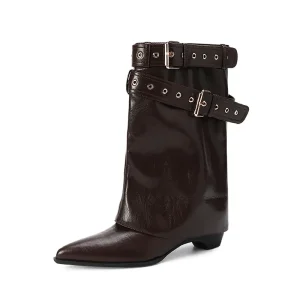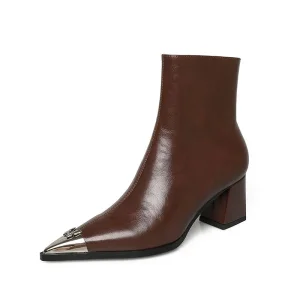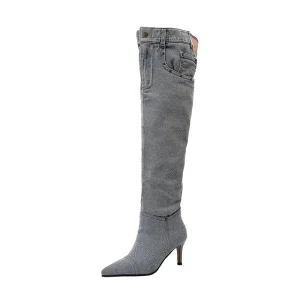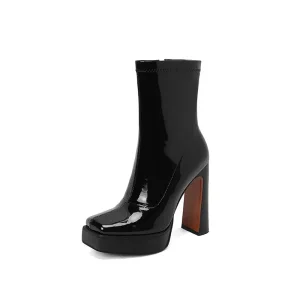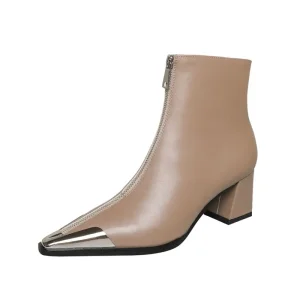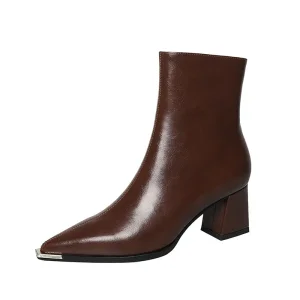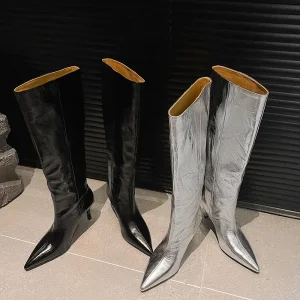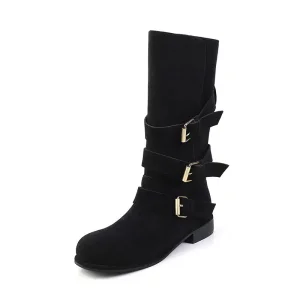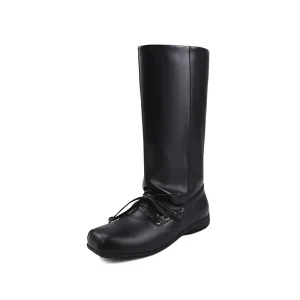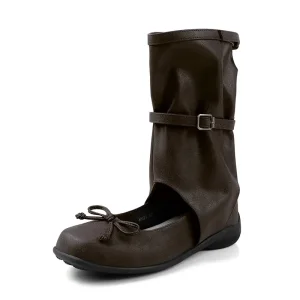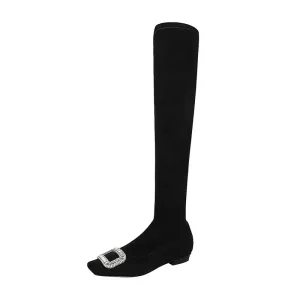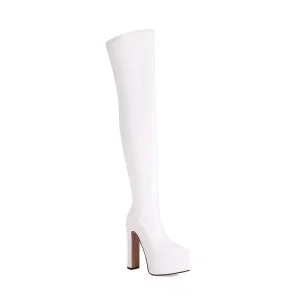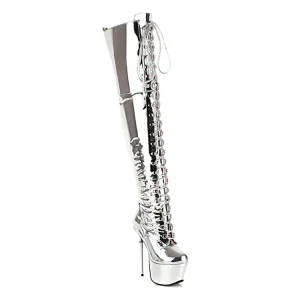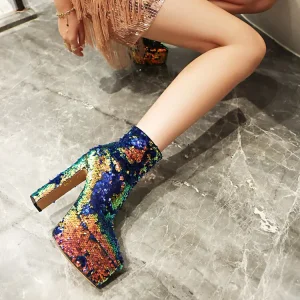
Explore our trending custom-manufactured footwear engineered for premium regional distributors and global design houses.
The global footwear supply chain is experiencing a structural paradigm shift, with international buyers seeking highly resilient, adaptive, and cost-effective production hubs outside traditional centers. In this evolving landscape, the Bangkok footwear market has emerged as a powerhouse for both high-grade leather sandals and complex, engineered boots. Combining Thailand's rich natural rubber resources with a robust industrial ecosystem, Bangkok offers global brands unparalleled advantages in material technology, tariff benefits, and craftsmanship.
When sourcing sandals and custom boots, B2B procurement managers must look past raw pricing lists and analyze systemic value. From the initial physical rendering of designs to local compliance, shipping, and ASEAN free trade benefits, a successful sourcing strategy relies on deep integration with factories that can match flexible scale with meticulous craftsmanship. This whitepaper analyzes the manufacturing dynamics of Bangkok, detailing cost structures, compliance, and technological integration, establishing a benchmark guide for buyers looking to scale their portfolios.
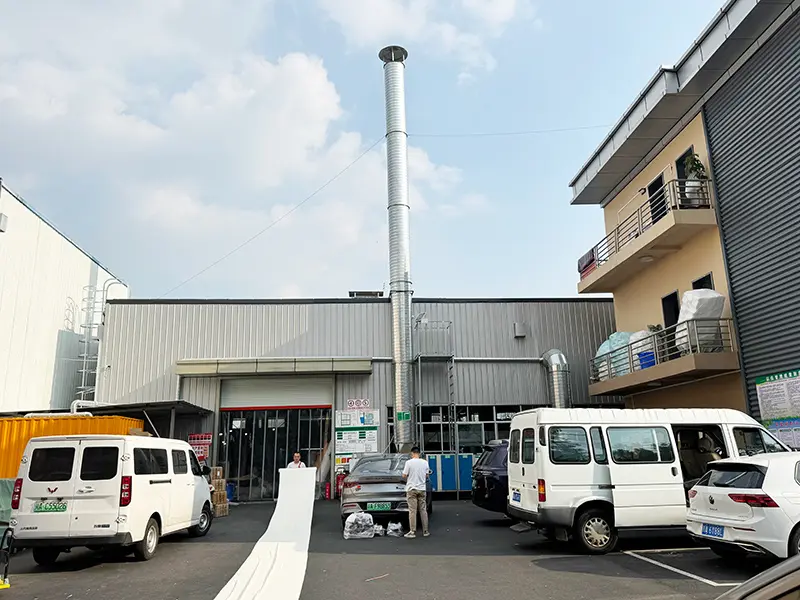
Why modern global retail enterprises are transitioning their custom production to Thailand's logistics and manufacturing hub.
The development of the footwear manufacturing cluster in Bangkok is supported by strong local raw material ecosystems. Thailand is one of the world's leading producers of natural rubber, which provides local factories with direct access to high-grade compound outsoles. In addition, the domestic chemical industry supplies advanced, non-toxic polyurethane (PU) formulations, thermoplastic rubber (TPR), and eco-friendly water-based adhesives. For premium lines, Bangkok has long-established tanneries that provide high-tensile cowhides, soft calfskins, and technical textiles, allowing factories to manage material supplies efficiently and protect buyers from global market price fluctuations.
From a logistics perspective, Bangkok's geographical location provides direct advantages. Sourcing agents can coordinate easily through major maritime hubs such as Laem Chabang Port and Bangkok Port (Klong Toey). This allows for efficient supply routes to North America, Europe, Australia, and regional Asian markets. Furthermore, Thailand's participation in trade agreements like the Regional Comprehensive Economic Partnership (RCEP) and various ASEAN bilateral treaties helps buyers lower overall costs by reducing import tariffs. These trade benefits, combined with consistent labor quality and clean supply chains, make Bangkok an ideal hub for brands that prioritize product safety, compliance, and on-time delivery.
Analyzing how premium manufacturing facilities optimize assembly lines to switch from lightweight sandals to high-durability boots.
A notable characteristic of the Bangkok footwear manufacturing sector is its ability to run diverse product lines side-by-side. While local demand focuses on lightweight, breathable sandals and flat shoes, factories have built high-tech production lines to manufacture complex boots for export to colder regions. This flexibility allows factories to manage seasonal shifts efficiently: during low seasons for heavy boots, production lines can easily adapt to produce mass orders of sandals and pumps, keeping the workforce productive and overhead costs steady year-round.
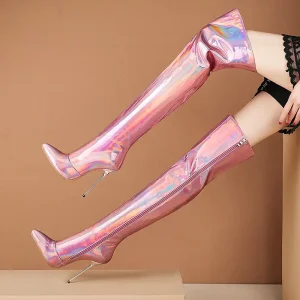
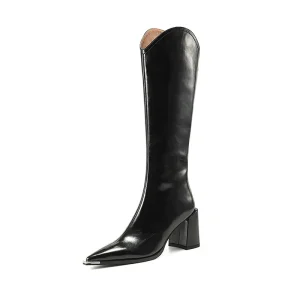
Manufacturing high-fashion boots—such as over-knee stiletto boots, metal-toe western boots, and chunky platform boots—requires advanced structural support. Unlike flat sandals, boots need steel shanks for arch stability, structured counters to maintain shape, and precise lasting to prevent ankle rolling. Bangkok factories handle these needs by integrating computerized last milling machines, hydraulic sole presses, and automatic heel-fastening machines. By combining these structural standards with high-durability outsoles, factories ensure that export lines meet the quality requirements of global retail brands.
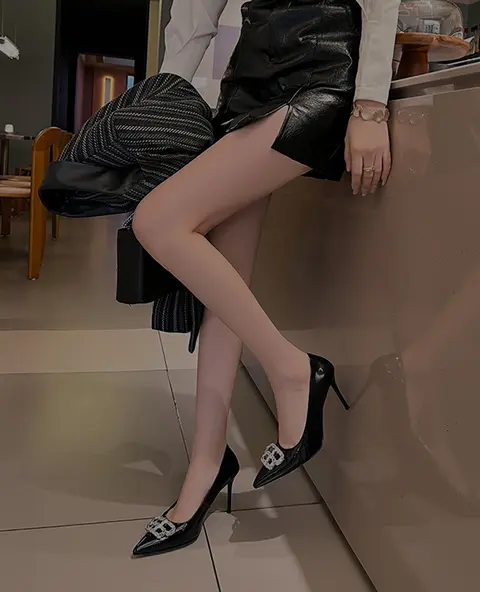
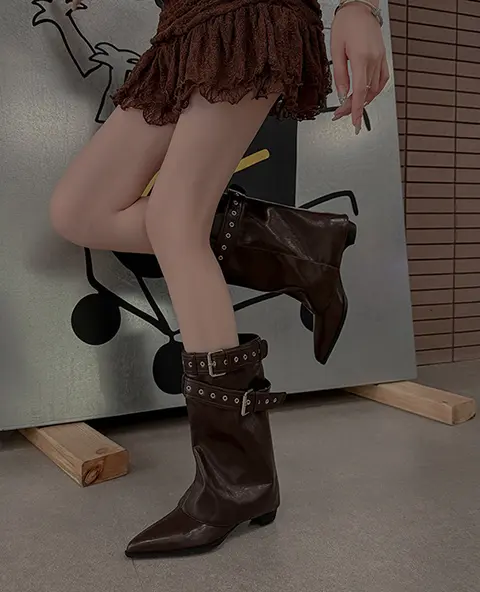
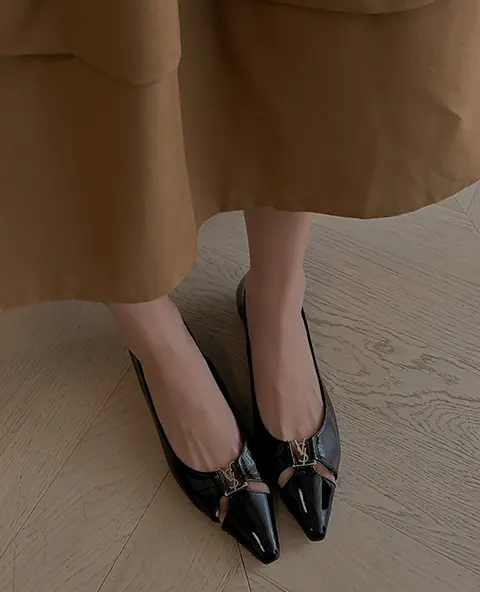
A step-by-step breakdown of our manufacturing process, translating creative concepts into shelf-ready footwear lines.
● Existing Sample: Replicating a physical footwear sample provided by the client.
● Reference Imagery: Designing custom samples based on inspiration pictures.
● CAD Flats & Sketches: Developing physical lasts from technical mockups.
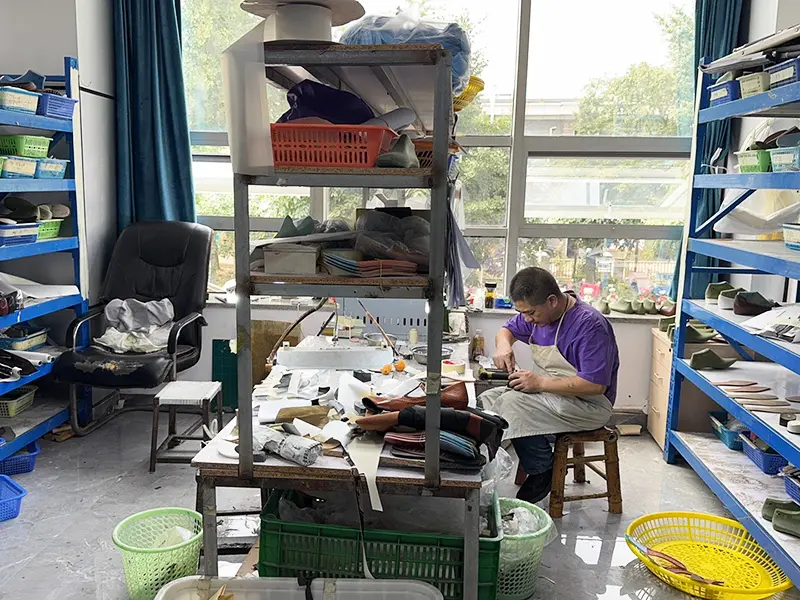
Our experienced R&D designers convert concepts into initial physical mockups. This stage includes custom lasts development, upper pattern matching, and material test fits to verify style and function.
We send physical prototype samples to the client for final verification. Our team adjusts elements based on fit tests and material feedback until the design meets all branding specifications.
Upon sample approval and deposit verification, we move to bulk production. Using modern cutting, stitching, and lasting systems, we ensure consistent and efficient production for all order sizes.
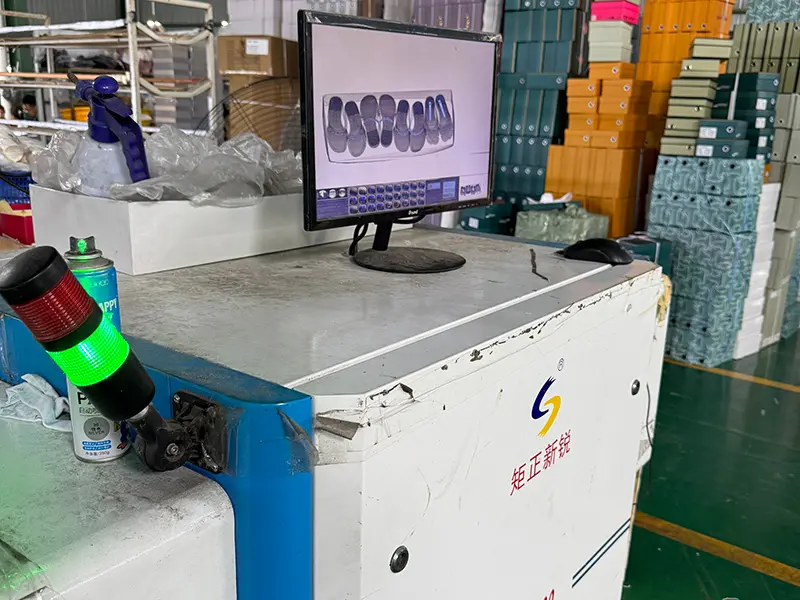
Our dedicated QC team performs strict quality inspections at every step of production. Every shoe undergoes detail checking, bonding tests, and final packaging to ensure it is shelf-ready.
We manage final distribution using sea, air, or express freight services. Our team handles customs documentation, certificate verification, and FOB/CIF ports coordination to ensure smooth customs clearance.
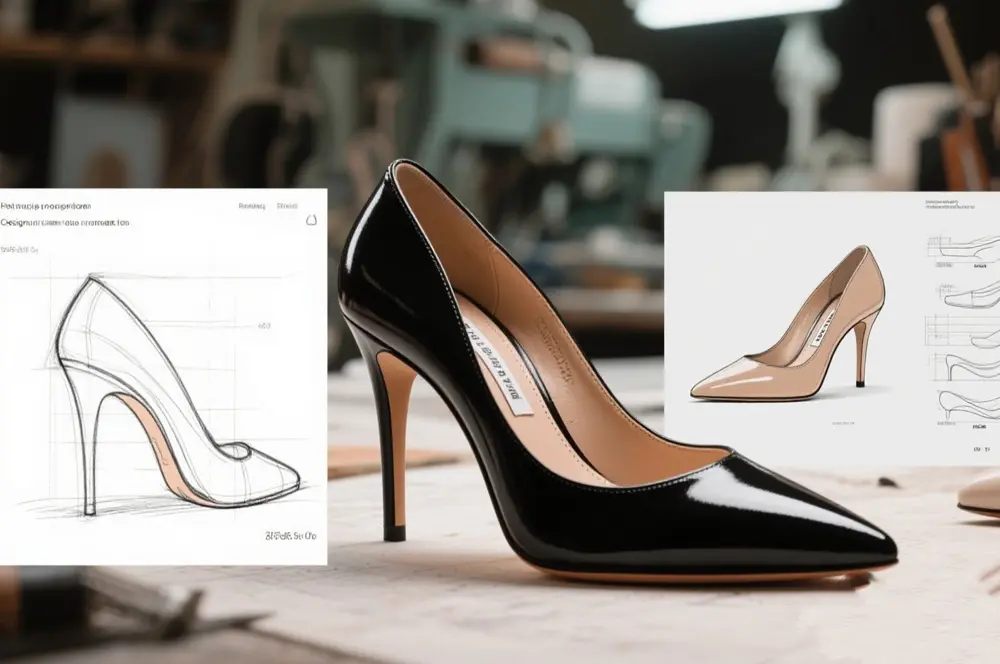
Integrating advanced technology with craftsmanship to deliver high-quality, high-volume production for international footwear markets.
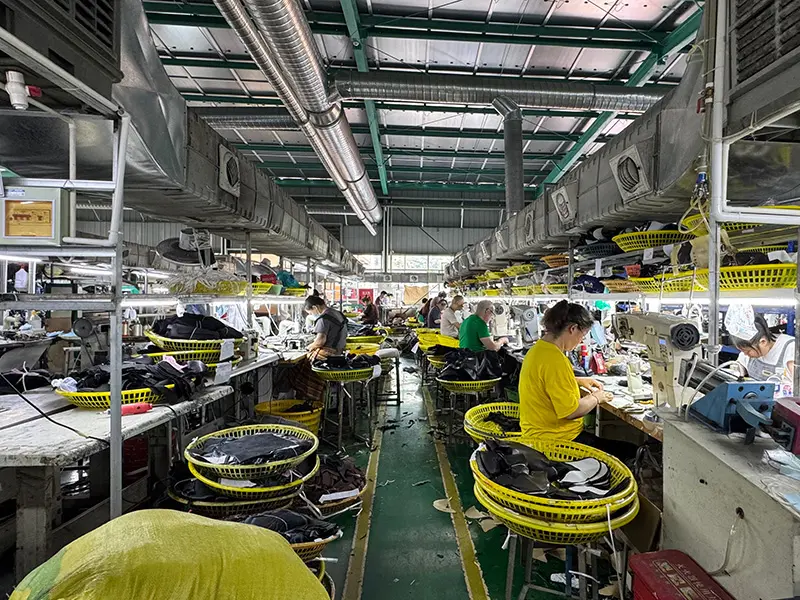
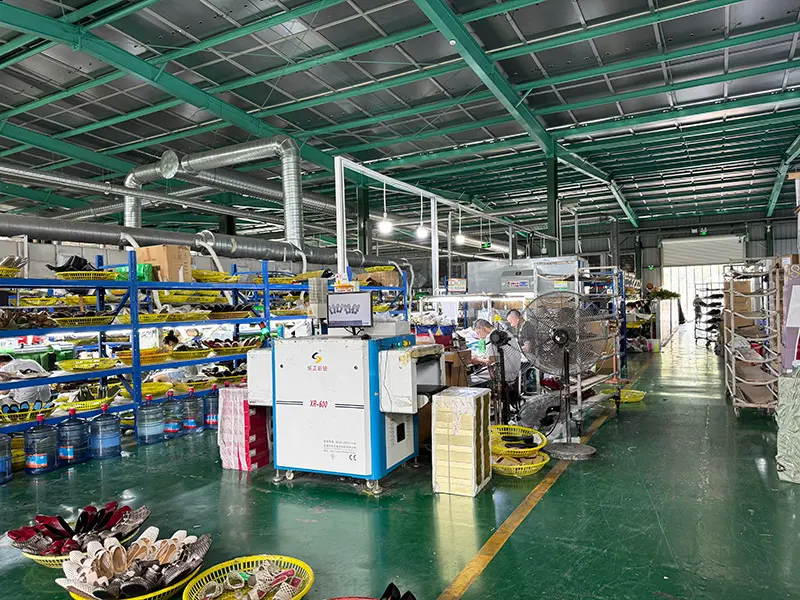
Our manufacturing facility is built to handle both high-volume production runs and flexible, lower-minimum custom orders. With 10 production lines, we support diverse collections of sandals, flats, pumps, and high-fashion boots. This helps us ensure reliable lead times, even during peak sales seasons. Our teams are trained in lean manufacturing processes to minimize material waste and optimize output, ensuring we meet our quality and delivery commitments.

A B2B breakdown of cost components and pricing structures for wholesale sandals and custom boots manufacturing.
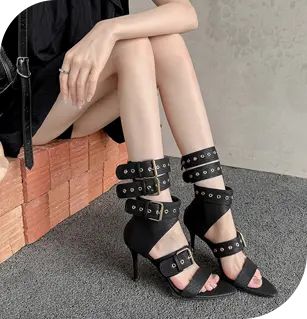
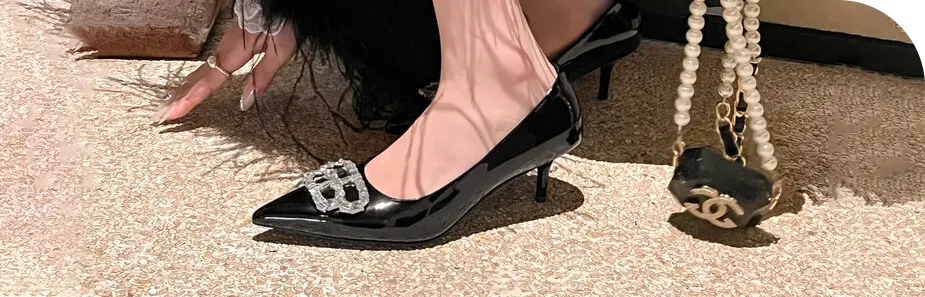
Understanding the pricelist structure in Bangkok's footwear market requires analyzing several key cost components: raw material choices, hardware detailing, labor steps, and shipping volume. Premium cowhide leather and specialized technical fabrics affect material costs, while design details like metal toe caps, rhinestone buckles, and multi-strap features require extra processing time. By utilizing local rubber outsoles and regional supply chains, we help buyers optimize production costs without compromising on the quality of the finished product.
| Footwear Category | Key Structural Materials | Customization Options | Est. Lead Time (Bulk) |
|---|---|---|---|
| Premium PU/Leather Sandals | Eco-Friendly PU, Genuine Cowhide, TPR Outsole | Studs, Rhinestones, Custom Colors | 25 - 30 Days |
| High-Fashion Stiletto Boots | Denim, Velvet, Premium Suede, Steel Shank | Holographic Finish, Custom Heels | 35 - 45 Days |
| Industrial & Riding Western Boots | Heavy-Duty Grain Leather, Metal Toe Cap | Buckle Straps, Front/Side Zippers | 40 - 50 Days |
| Comfort Flat Shoes & Pumps | Patent Leather, Microfiber Lining, memory foam | Embellished Buckles, Logo Printing | 30 - 35 Days |
To help clients manage risk, we offer a low Minimum Order Quantity (MOQ) starting at 30 pairs per style. This allows brands to test new footwear designs in their target markets before committing to high-volume inventory. For larger orders, we provide scaled pricing options to improve profit margins for wholesale distribution networks.
Why leading global brands partner with us to engineer and scale their seasonal footwear collections.


Addressing key queries regarding international footwear sourcing, pricing, compliance, and logistics.
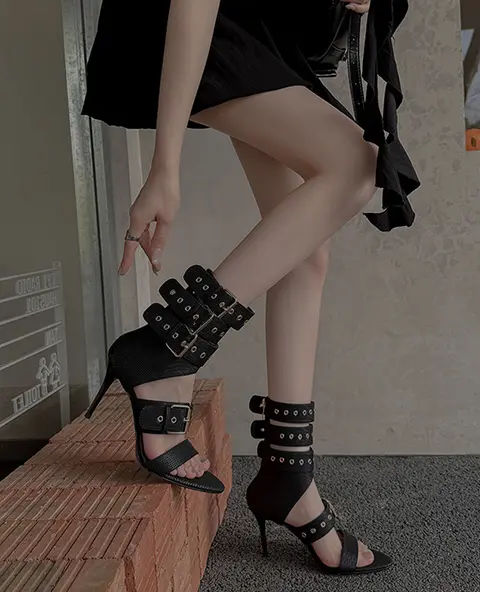
Explore our wholesale catalog, featuring denim, leather, and buckle boots manufactured for international retail distributions.
Request our complete custom sandals & boots B2B pricelist, material swatches, and factory compliance certifications. We typically reply within 24 hours.
Send Inquiry Now