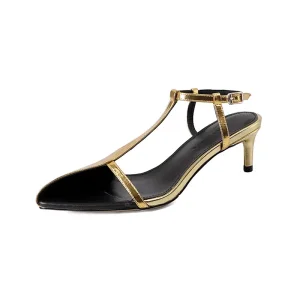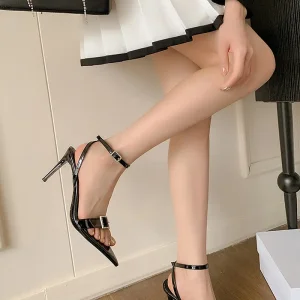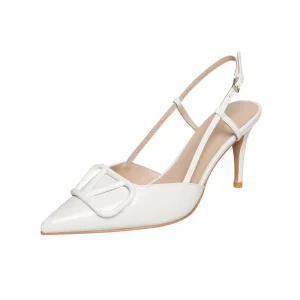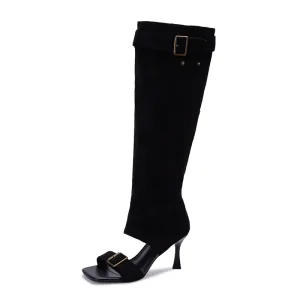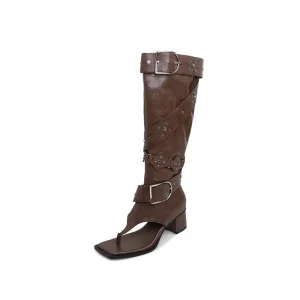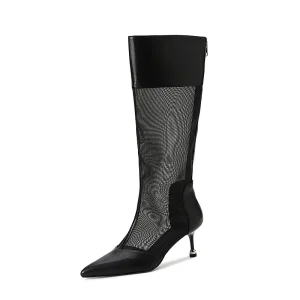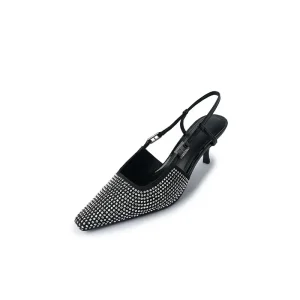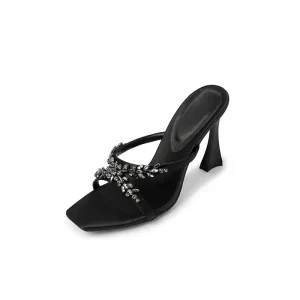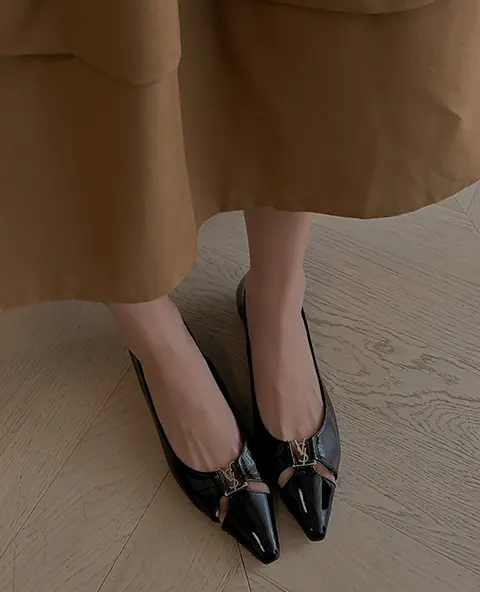
High-end bespoke sandals designed for Tokyo's dynamic metropolitan lifestyle, blending exquisite comfort with Ginza-level elegance.
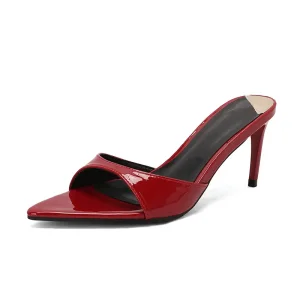
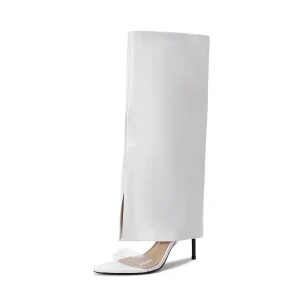
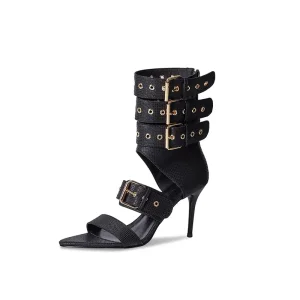
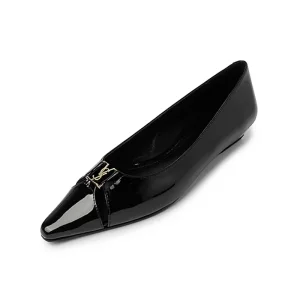
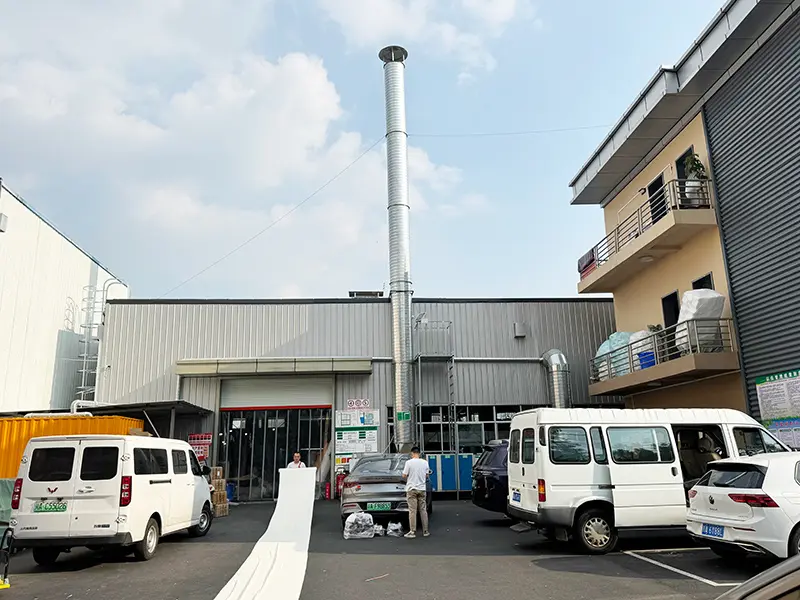
Established in 1995, our factory has over 30 years of expertise in the design and production of high-quality genuine leather women’s shoes. With a strong reputation in the footwear industry, we are committed to delivering stylish, durable, and comfortable footwear that meets global market demands.
Over the decades, we have continuously bridged traditional craftsmanship with the latest Smart Factory 4.0 production systems. This synergy allows us to fulfill tight deadlines for Japanese footwear distributors and brands demanding flawless execution, accurate sizing, and compliance with the most stringent customs standards.
Deciphering the dynamics of Japan's premium footwear consumer habits, purchasing intent, and distribution pricing structures.
Tokyo is the epicenter of fashion in the Asia-Pacific region. Wards like Shibuya, Ginza, and Shinjuku dictate global styles, placing unique challenges on retailers and importers. For footwear brands and department store buyers looking to establish a sustainable margin, understanding the interplay between Japanese consumer preferences and manufacturing logistics is vital. High-quality materials, precise sizing, and ergonomic designs are non-negotiable. Importers must navigate a highly seasonal market where the transition from winter wear to summer sandals demands exceptionally agile supply chains.
Unlike Western markets, the Tokyo demographic values subtlety, refined stitching, and shoes optimized for long walks on paved urban avenues. Public transit reliance requires sandals to offer substantial underfoot cushioning (EVA/memory-foam layers) and robust heel attachments. Size grading in Japan utilizes the centimeter-based system (typically ranging from 22.0cm to 25.5cm). Miscalculating width profiles (with most Japanese consumers preferring 'E' or '2E' width fits) is a common pitfall for global sourcing managers. Partnering with a manufacturer familiar with these structural nuances ensures lower return rates and higher retail throughput.
When requesting a pricelist, Tokyo buyers must analyze raw material index trends, particularly genuine sheepskin, calfskin, and premium patent polyurethane (PU). Sourcing during off-peak periods (October-December) rather than during the peak spring ramp-up (February-April) can reduce ex-factory unit costs by 8% to 12%. Furthermore, incorporating flexible MOQ models allows brands to test the Tokyo market with minimal inventory exposure.
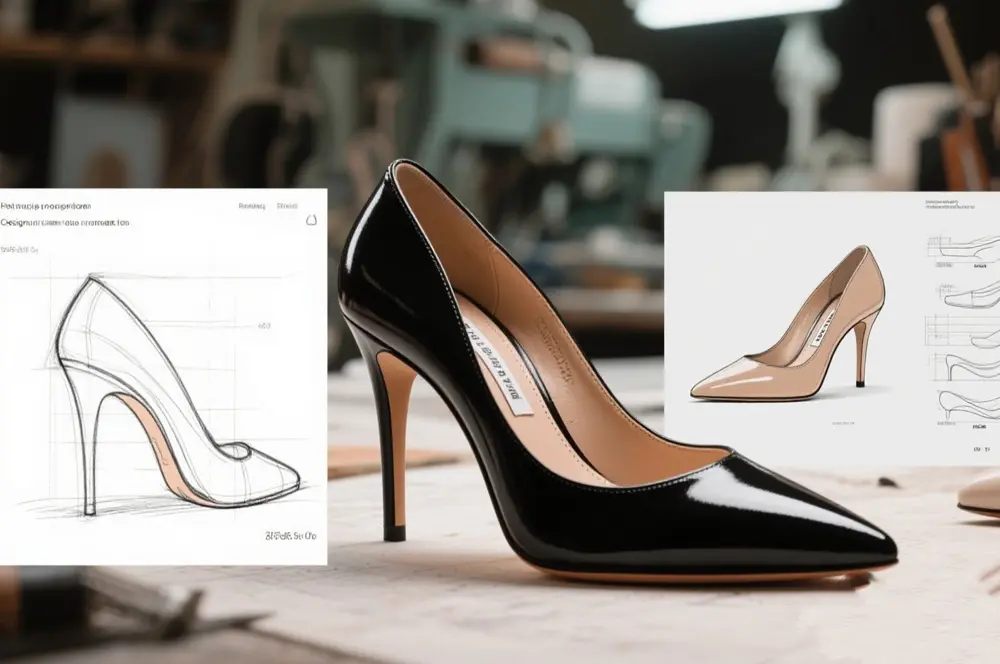
We specialize in providing customized OEM and ODM services to meet diverse client needs, transforming custom sketches into retail-ready product lines.
Supporting both agile small-batch production and high-volume commercial scaling with a transparent 6-step pipeline.
Provide physical shoes, reference pictures, concept sketches, or technical specs. We accept varied formats to initiate the development phase.
Our R&D team drafts blueprints and maps precise material patterns, utilizing 3D CAD modeling to guarantee design fidelity and cut down testing cycles.
Physical samples are shipped to your office in Tokyo for evaluation of fit, comfort, look, and compliance with local retail expectations.
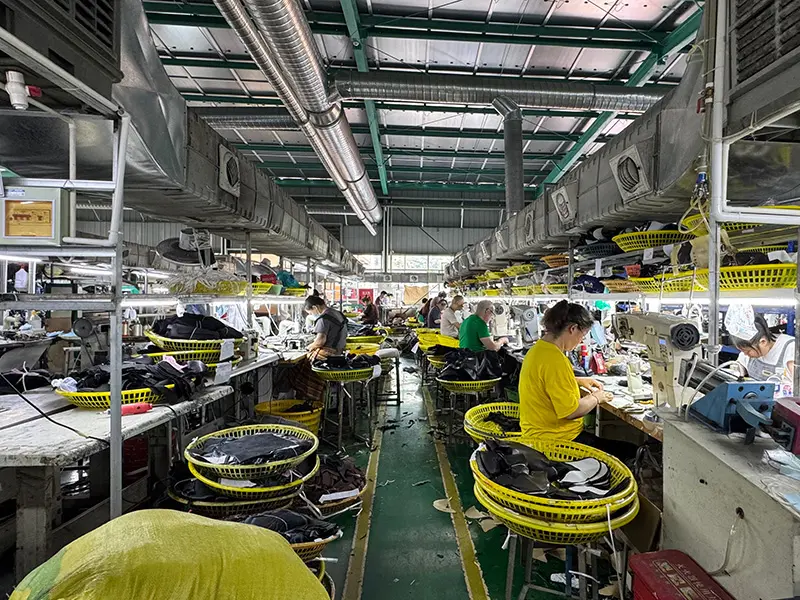
With 10 modern production lines running, we execute large-scale or small-scale runs efficiently under strict quality monitoring.
Every unit undergoes meticulous inspection. Custom tags, retail boxing, and export-compliant labels are applied accurately.
LCL/FCL ocean freight or express air cargo directly to Tokyo ports or regional warehouses, complete with customs documentation.
Integrating state-of-the-art machinery with skilled artisanal craftsmanship to secure high quality outputs.
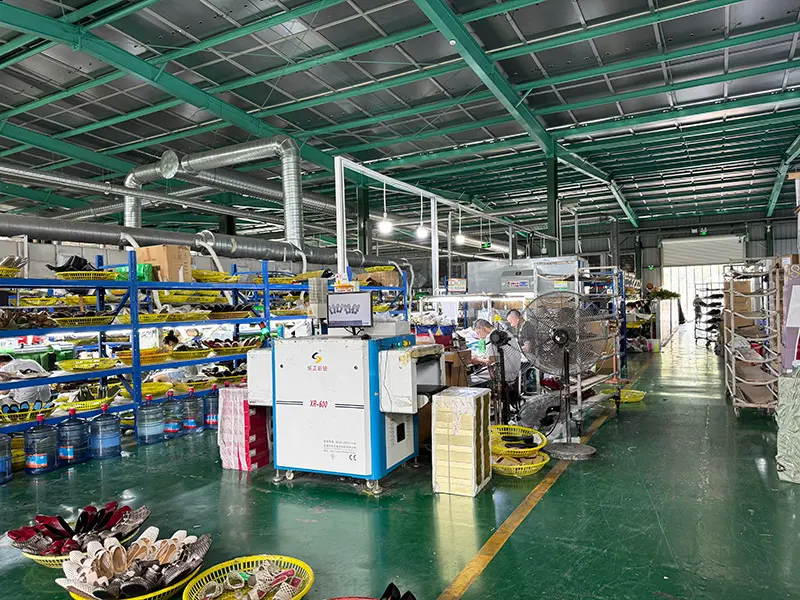
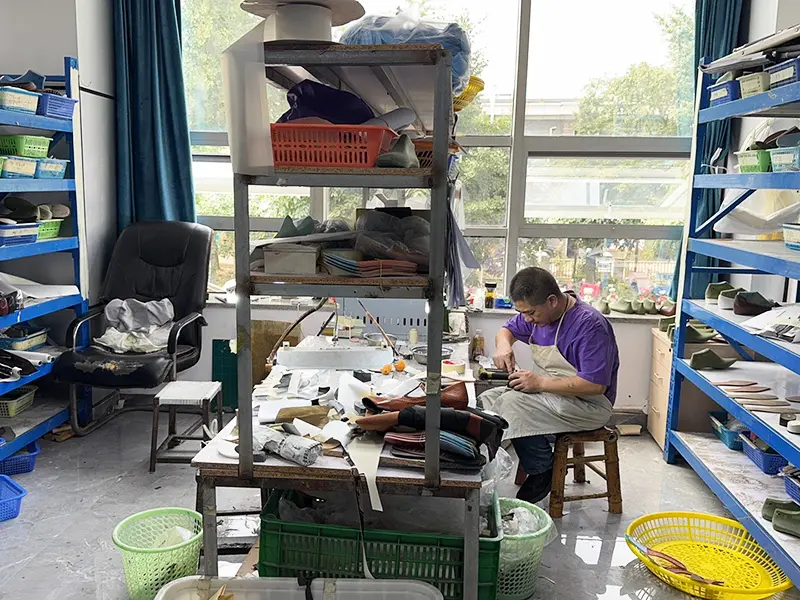
How our integrated digital ecosystem ensures unmatched lead times, reduced shipping costs, and extreme design flexibility.
Meticulous handmade craftsmanship meets premium materials, ensuring unparalleled durability. Rooted in traditional techniques, each pair reflects high retail value.
Over three decades of footwear expertise, including 14 dedicated years exporting to Europe, North America, and high-standard Japanese consumer regions.
Ideal for emerging designers and testing market demands in specialized Tokyo sectors. Keep inventory overhead low while securing premium customized items.
Utilizing sustainable leather alternatives and water-soluble adhesives. We focus on low carbon footprint processing to align with Japan's green procurement initiatives.
In the footwear business, latency means lost margins. When a style goes viral on Harajuku social media feeds, traditional supply chains take up to six months to deliver equivalent inventory. Our integrated Factory 4.0 system shortens the cycle from layout concept to Tokyo retail shelves to as little as 35 days. By using automated cutting systems and high-precision laser engravers, we minimize leather waste, allowing us to pass the savings directly to our partners in the form of competitive FOB rates.
Aligning advanced materials, compliance standards, and logistics to serve Japanese buyers.
Japanese shoe fit standards require specialized lasts (wooden/plastic foot models). Historically, imported shoes suffer high return rates in Tokyo due to heel slippage and narrow toe-box pressure. Our tech roadmap prioritizes the development of 3D digitized lasts engineered specifically for the wider, flatter foot structures typical of East Asian populations. Incorporating multi-density PU midsoles and shock-absorbing rubber outsoles ensures that high-heel sandals retain orthopedic stability without sacrificing structural fashion appeal.
To import sandals into Japan, products must comply with the Consumer Product Safety Act and meet specific industrial parameters under JIS (Japanese Industrial Standards). For example, metal buckles, studs, and decorative embellishments must be free of restricted hazardous substances such as lead, cadmium, and nickel. Our factory performs rigorous in-house chemical screening on all hardware and raw hide shipments, providing certification that streamlines customs clearance at Yokohama and Tokyo ports.
Leading Tokyo retail chains are moving toward mandatory carbon disclosures. In response, our manufacturing roadmap integrates vegetable-tanned leathers, biodegradable TPU, and recycled ocean plastics. By tracing raw material origins, we provide our B2B clients with verifiable sustainability metrics, directly supporting their ESG mandates and capturing eco-conscious demographics.
| Material Category | Common Application | Durability Score | JIS Compliance Standard | Estimated Lead Time |
|---|---|---|---|---|
| Premium Calfskin Leather | Luxury Slingbacks & Mules | Excellent (5/5) | JIS K6547 (Abrasion Resistant) | 15-20 Days |
| Vegetable-Tanned Sheepskin | Daily Wear Summer Flat Sandals | Very Good (4/5) | JIS K6556 (Heavy Metal Free) | 18-25 Days |
| Eco-Certified Patent PU | High Gloss Party Stilettos | Good (4/5) | JIS L1096 (Tear Resistance) | 12-15 Days |
| Recycled Polyester Mesh | Breathable Knee-High Summer Boots | Good (3.5/5) | JIS L1041 (Color Fastness) | 10-15 Days |
Clear answers on custom shoe manufacturing, pricing structures, shipping, and ordering procedures for Tokyo buyers.
Explore our full range of professional footwear styles built for global distribution networks and Tokyo retail outlets.