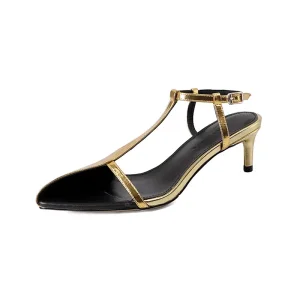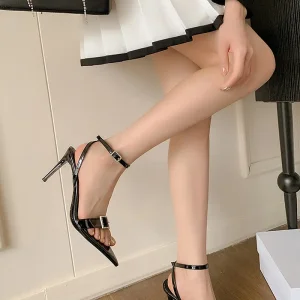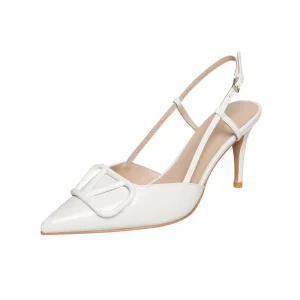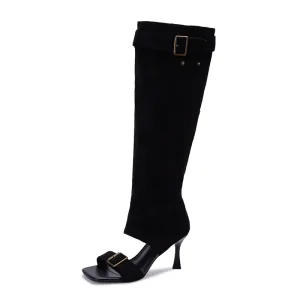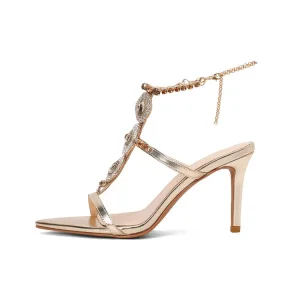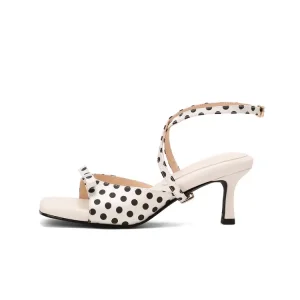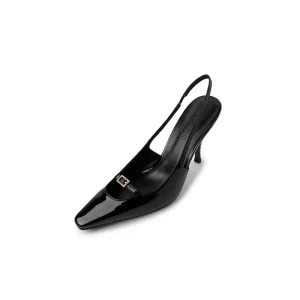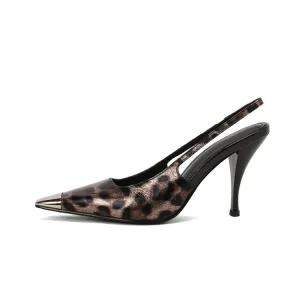
Engineered for retail hubs like Umeda, Shinsaibashi, and Namba, combining exquisite ergonomics with contemporary seasonal aesthetics.
A strategic analysis of user intent, consumer behavior shifts, and structural quality compliance required in the Osaka metropolitan market.
Osaka, long hailed as the commercial powerhouse of the Kansai region, supports an intricate retail architecture that spans major premium districts. The footwear demands of Umeda’s corporate shopping centers (such as Grand Front Osaka) differ fundamentally from the youth culture and avant-garde preferences of Shinsaibashi and Namba. Historically, Osaka has been a center for leather processing and trade, which means local consumers possess an exceptionally high baseline of leather appreciation, build requirements, and tactile sensibility.
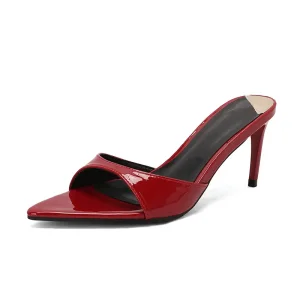
As summers in Japan grow increasingly warmer and humid, the seasonal window for sandals has extended from early spring to late autumn. Retailers in Osaka demand collections that effortlessly transition between outdoor warmth and heavily air-conditioned indoor office spaces. This shift requires hybrid footwear structures, such as patent leather mules, pointed-toe slingbacks, and mesh-constructed summer boots that manage foot microclimates while presenting a formal silhouette.
For global brands and Osaka-based distributors, importing footwear involves navigating rigid quality expectations and precise supply chains. Sourcing managers seek partners capable of low-volume variety to test fast-fashion reactions, alongside stable capacities to scale up successful SKUs. Key user search intents around "customized leather flats" and "stiletto sandals in bulk" highlight a deeper demand for structural reliability:
Supply chain agility is a critical differentiator. Operating 10 modern production lines with a monthly output capacity of 300,000 pairs, we leverage optimized shipping routes to move components and finished goods rapidly. Sourcing materials from premium leather markets and coordinating transport to major shipping lanes ensures containers land at the Port of Osaka within 5 to 7 days from departure. This fast transit minimizes lead times, helping retailers keep store shelves stocked with trending designs throughout the summer season.
Established in 1995, our factory has built over three decades of expertise in the design, engineering, and manufacturing of premium genuine leather women's footwear. We bridge the gap between classic artisanal shoemaking and modernized digital production, catering to discerning fashion brands, boutique retail chains, and international importers.
Our core mission revolves around producing high-quality footwear that balances style, durability, and ergonomic comfort. Every pair is crafted with select materials, undergoing rigorous quality assurance protocols that meet and exceed Japanese and European trade standards.
We turn design visions into market-ready retail products using specialized prototyping and premium material sourcing.
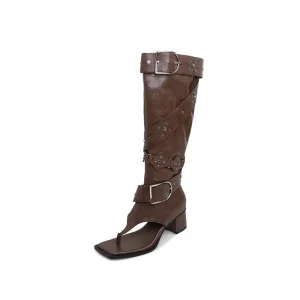
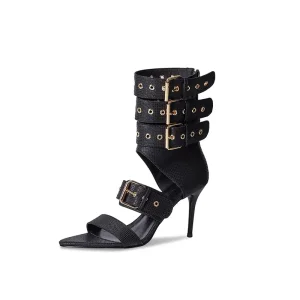
Featuring reinforced footbed support, genuine sheepskin linings, and meticulously set studs/hardware designed to withstand heavy daily use.
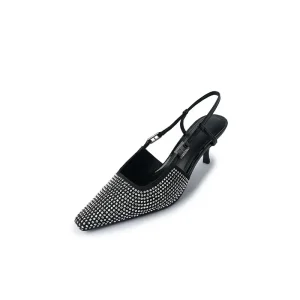
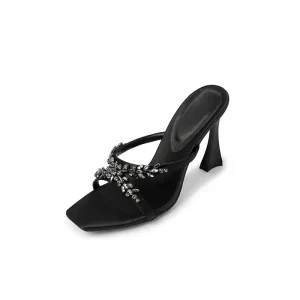
From sleek 4cm slingbacks to 9cm rhinestone options, we use advanced heel pins and impact-absorbing materials for comfort and durability.
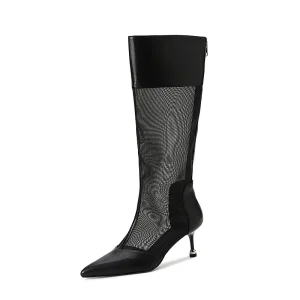
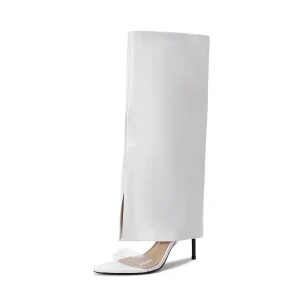
Stiletto boots, mesh summer boots, and suede knee-highs constructed with tailored calf widths and premium zipper configurations.
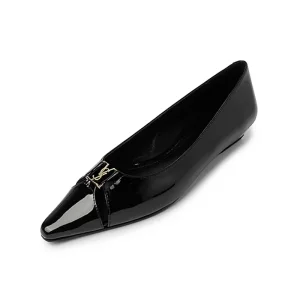
Designed for daily commuting, using flexible outsoles, soft insoles, and patent leather finishes that resist creasing and wear.
Our streamlined workflow transforms initial design ideas into certified, retail-ready production runs.
We accept design inputs via physical reference samples, technical flats, style photographs, or comprehensive digital tech packs detailing exact dimensions and material choices.
Our design team creates customized lasts and develops physical wear-test samples within 7–10 days, utilizing digital modeling software to ensure anatomical accuracy.
Prototypes are shared with clients for fit verification, material touchpoints, and aesthetic refinement, ensuring every detail aligns with brand standards.
Once approved, the designs go into production across our 10 assembly lines, utilizing computerized cutting systems and precise lasting machinery.
Every pair undergoes rigorous quality control checks for bonding strength, heel alignment, and stitching consistency before packaging in custom-branded boxes.
Our logistics team handles export clearance, ocean freight booking, and destination customs support, delivering straight to Osaka Port or international warehouses.
Embracing materials science, pressure mapping, and sustainable manufacturing practices for the next generation of premium footwear.
Traditional high-heeled sandals often compromise comfort for aesthetics. Our engineering roadmap addresses this trade-off by integrating pressure-distribution tech directly into the design phase. We utilize advanced force-plate analysis to map pressure distribution across the metatarsal arch and heel. By modifying the shank contour and introducing multi-density EVA and memory foam layers, we reduce localized stress concentrations by up to 25%, providing all-day comfort.
Sustainable sourcing is a core priority for global brands. Our development team works with leading tanneries to source LWG-certified leathers and bio-based alternatives. We are also transitioning our adhesive systems to water-based formulations, reducing volatile organic compound (VOC) levels while maintaining the strong bonding required for high-heel and sandal construction.
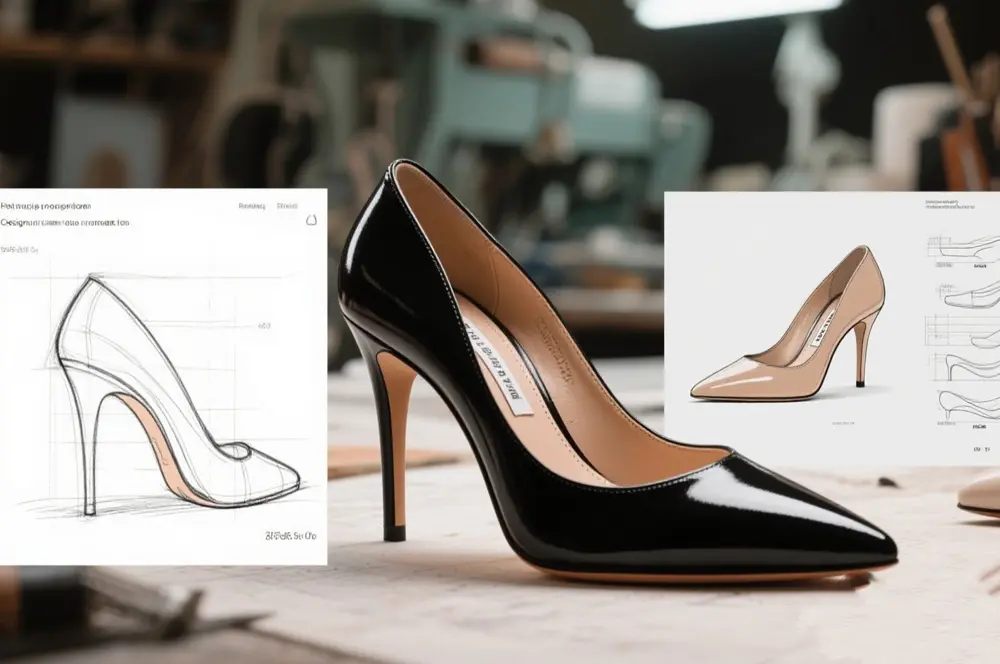
By digitizing the shoe last, we reduce the development cycle for new models. Digital patterns can be sent directly to computerized cutting systems, minimizing material waste and ensuring pattern accuracy across all sizes. This digital-first approach helps us maintain our flexible 30-pair MOQ, allowing clients to test new styles with minimal overhead.
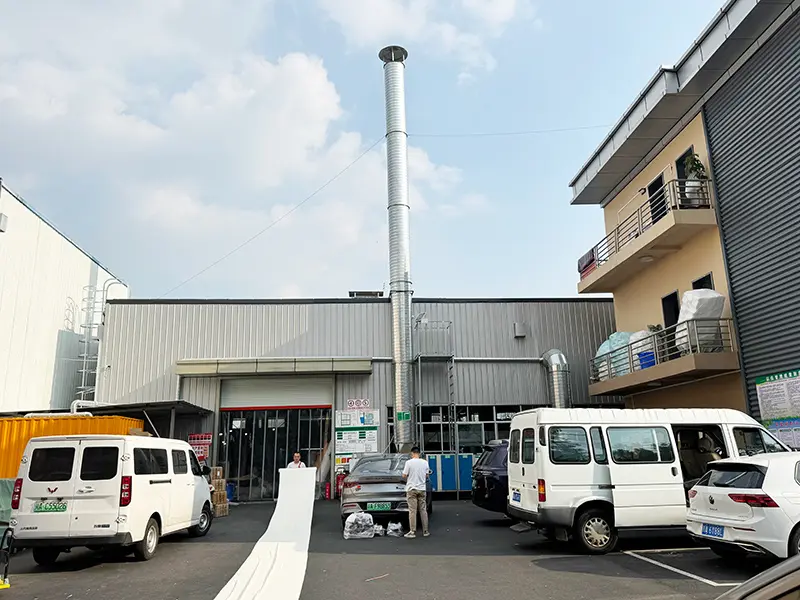
A look inside our modern facility, where classic craftsmanship meets structured production systems.
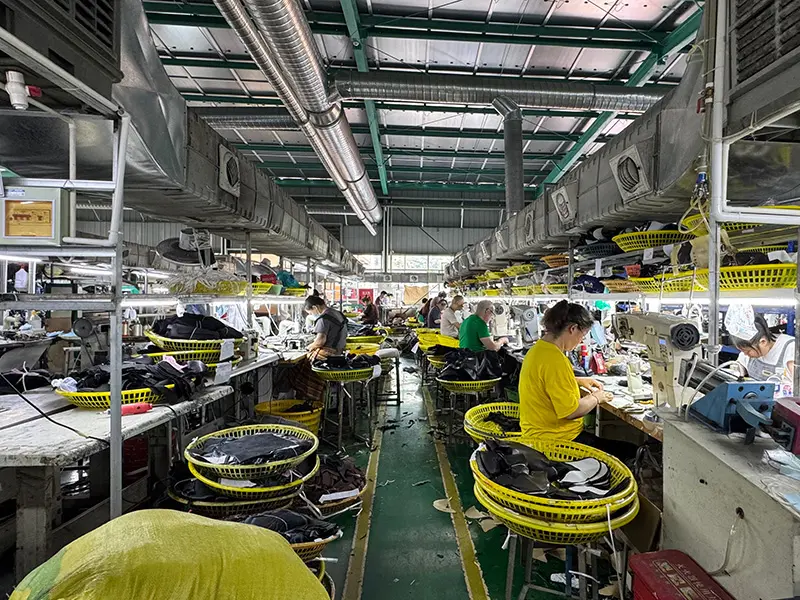
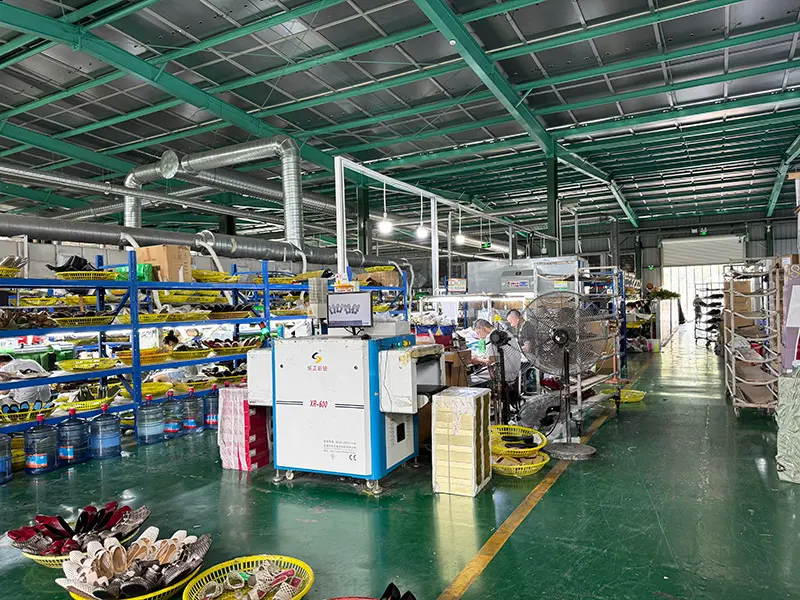
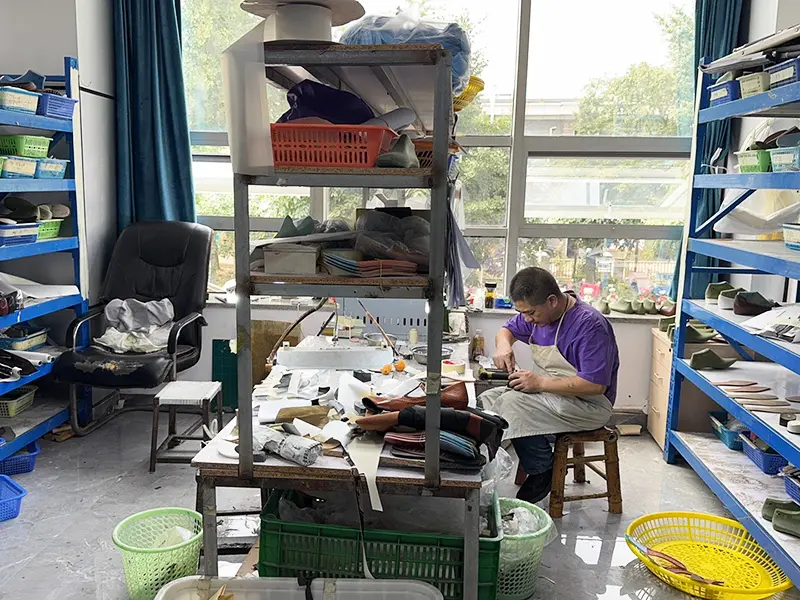

Ensuring products meet local regulatory requirements and arrive efficiently through established supply chains.
Footwear exported to Japan must comply with strict product safety and environmental standards. We ensure all materials used in production meet Japanese chemical safety regulations, including restrictions on formaldehyde, heavy metals, and azo dyes. Our products undergo third-party testing to ensure long-term durability and safety for consumer use.
We provide complete documentation support to ensure smooth import clearance through Japanese customs, including certificate of origin documents to utilize applicable preferential tariffs under regional trade agreements. Our experienced logistics partners coordinate shipments directly to the Port of Osaka and Kansai International Airport, minimizing import delays.
Our raw materials are certified free from harmful substances, complying with standard domestic inspection requirements.
Established freight routes ensure predictable delivery to warehouses across Osaka, Kyoto, and Kobe.
Common questions from sourcing managers, retailers, and distributors entering partnerships with us.
Our standard MOQ starts at 30 pairs per style. This lower minimum allows boutique labels and established brands to introduce new designs or colors with limited stock risk.
We source raw materials from certified partners and conduct regular third-party laboratory testing to ensure compliance with chemical limits, including restricted azo dyes and formaldehyde.
Sample development takes 7–10 days. Bulk production typically requires 30–45 days depending on order size, with shipping to the Port of Osaka taking an additional 5–7 days.
Yes, we offer a range of material choices, including LWG-certified natural leathers, recycled fibers, and bio-based synthetic leathers to meet brand sustainability goals.
Explore our full range of customizable boots, heels, and flats designed for contemporary retail markets.