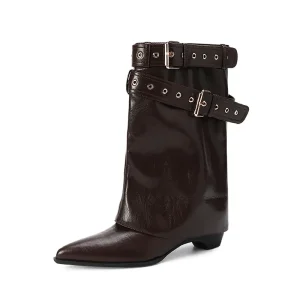
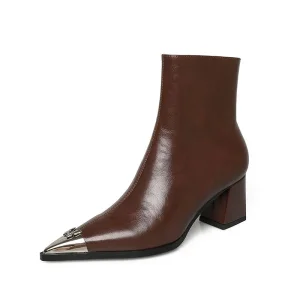
Deep Analysis: Sourcing High-Quality Boots for Brazil's Dynamic Footwear Market
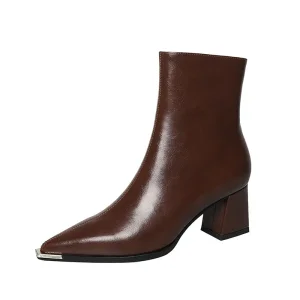
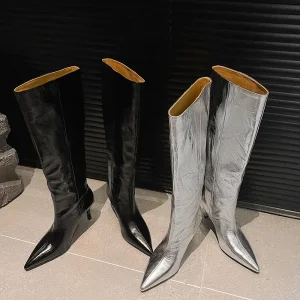
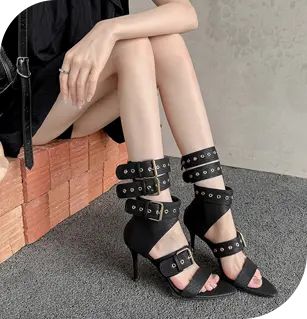
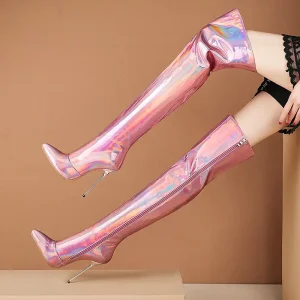
For global footwear buyers, purchasing managers, and retail chain distributors looking to source boots for the Brazilian market, understanding the local context is essential. Brazil is not just a consumer nation; it has a rich history of shoe production centered in clusters like Novo Hamburgo (Rio Grande do Sul) and Franca (São Paulo). Yet, to achieve a competitive edge in design variation, complex hardware customization (such as specialized metal-toe structures, Y2K platforms, and holographic finishes), and lower-scale minimum order quantities (MOQs), sourcing directly from our advanced factory offers unmatched financial and logistical advantages.
The Current Landscape of Brazil's Footwear Sector
The Brazilian retail market demands a unique balance of fashion-forward design and physical durability. Climatic fluctuations in Brazil’s southern states (Rio Grande do Sul, Santa Catarina, Paraná) during winter drive a cyclical surge in demand for structured boots. Conversely, the metropolitan centers of São Paulo and Rio de Janeiro represent a continuous market for street fashion boots, clubwear high-platforms, and avant-garde footwear. Working with a dedicated overseas OEM/ODM manufacturer allows Brazilian brands to bypass the high local manufacturing overhead and gain access to advanced material tech (e.g., customized synthetic composite leathers, rust-resistant zippers, and CE-certified structural components).
Key Data Metrics for Brazil Footwear Imports
Understanding trade dynamics is crucial. While Brazil imposes strict import tax structures (Tarifa Externa Comum - TEC under the Mercosur framework), strategic global sourcing remains highly profitable due to our lean production efficiency, advanced material integration, and high-margin product designs. Below is the localized import cost breakdown estimate.
Pro Tip for Brazilian Buyers: Utilizing consolidated container shipping (LCL) directly to major hubs like the Port of Santos or Port of Paranaguá dramatically lowers the per-pair logistics cost, making wholesale importing highly cost-effective.
Consumer Intent & Trend Forecasting in Brazil
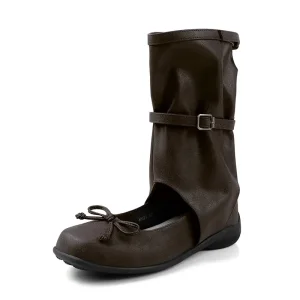
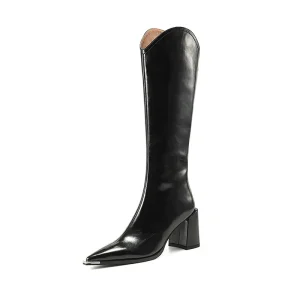
In the Brazilian fashion market, consumer intent is heavily driven by digital influence, specifically via platforms like Instagram and TikTok. Trends like "Balletcore", "Y2K Grunge", and "Western Cowboy" style boots have seen explosive year-on-year search growth. For instance, search query data within São Paulo state indicates a 140% spike in 'Bota Estilo Western' (Western Boots) during seasonal agricultural exhibitions (such as the Festa do Peão de Barretos). By leveraging our fast-fashion ODM pipeline, Brazilian brands can introduce new collections to the market in as little as 35 days, capitalizing on active trends before they fade.
Macro Industry Solutions: Bridging the Logistics Gap
Sourcing from an international factory requires robust logistics and absolute compliance with Brazil's regulatory authorities. Our export team specializes in preparing documentation for Siscomex (Sistema Integrado de Comércio Exterior), ensuring that all commercial invoices, packing lists, and Certificates of Origin are flawless to avoid costly customs delays at Brazilian ports. Furthermore, we align our footwear design processes with local standards such as the Inmetro requirements for material safety and labeling, ensuring that the composition labels (identifying genuine leather, synthetic components, textile linings, and rubber outsoles) comply perfectly with Brazilian consumer protection laws.
Technical Design Features Customized for South American Climate
The climate across Brazil is highly diverse, ranging from tropical in the North to subtropical/temperate in the South. This variation impacts material specification requirements:
- Breathable Linings: Incorporating high-permeability mesh and light-gauge textile linings that prevent excessive heat build-up during warm seasons.
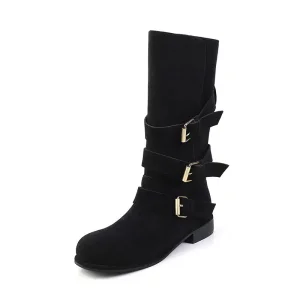
- Anti-Corrosive Hardwares: Utilizing customized, marine-grade metal zippers, rivets, and buckles that withstand high coastal humidity without rusting.
- Slip-Resistant Outsoles: Engineering custom TPR (Thermoplastic Rubber) and TPU outsoles designed to provide excellent traction on typical Portuguese pavement (calçada portuguesa) when wet.
- Premium Genuine Leather Sourcing: Selecting flexible, high-grade cowhide and suede that conform to European and North American REACH environmental standards while remaining durable enough for tough outdoor wear.