
Explore our premium custom boot designs engineered to survive harsh Norwegian winters while maintaining elite fashion standards.
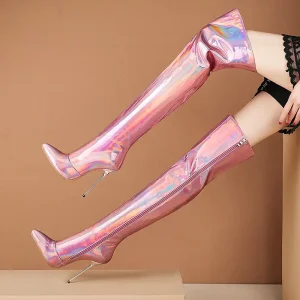
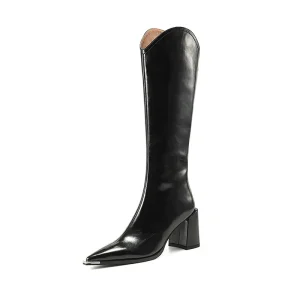
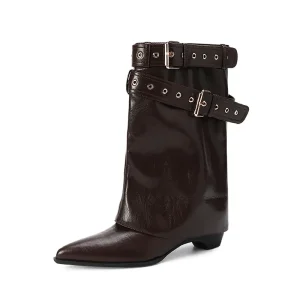
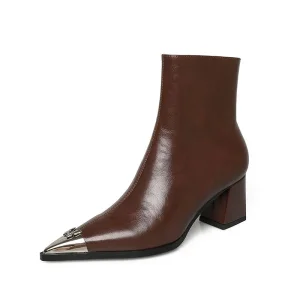
Norway represents a highly demanding, specialized footwear market. Governed by extreme climate fluctuations, rugged subarctic topography, and strict Scandinavian occupational health laws, importing footwear into Norway demands supreme quality controls. From the fjords of Bergen to the sub-zero construction yards of Tromsø, boots are not merely fashion items; they are essential environmental shields.
At the same time, urban areas like Oslo dictate high-end fashion demands where winterized boots must combine aesthetic sleekness with technical elements like hydrophobic coatings, insulated linings, and robust traction layouts. Local business buyers—ranging from specialized workwear brands to luxury fashion houses—prefer collaborating with established OEM/ODM boot manufacturers who can ensure both structural compliance and low MOQs.
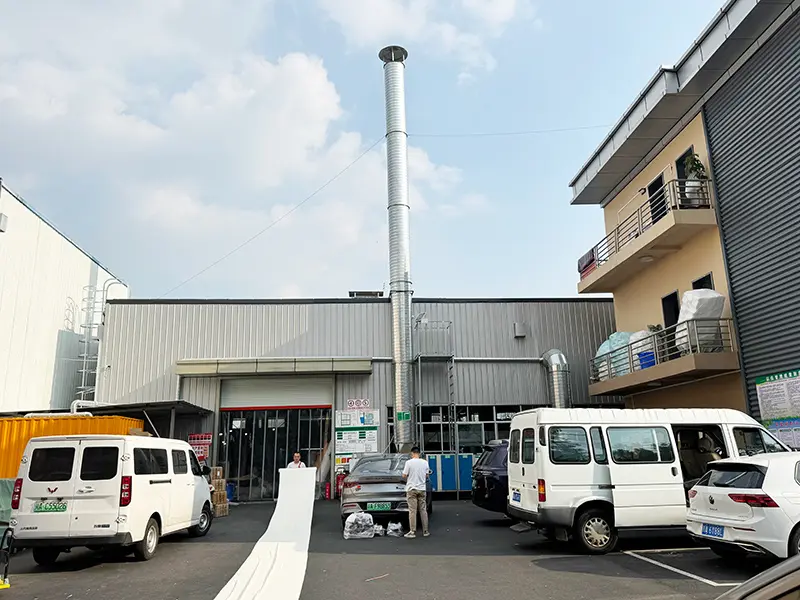
Established in 1995, our factory brings over 30 years of dedicated expertise to the engineering, styling, and mass assembly of high-quality genuine leather women's footwear and premium boots. Our global export operations span decades, offering custom OEM and ODM solutions that adapt to strict import guidelines worldwide, including the Norwegian and Scandinavian markets.
We blend time-tested leather craftsmanship with automated assembly systems to output footwear that meets rigorous mechanical stress tolerances and fashion longevity.
The modern footwear sector is experiencing massive transformations. Sustainability has evolved from a branding talking point into a mandatory import benchmark. Globally, brands are transitioning from petrochemical synthetics to bio-degradable TPU outsoles, vegetable-tanned leathers, and recycled polymer stitchings.
Additionally, flexible manufacturing processes have changed the industry. With high storage fees and unpredictability in retail, Norwegian footwear distributors are shunning massive warehouses in favor of agile, low MOQ (Minimum Order Quantity) manufacturing runs. This prevents stock-outs and excess deadstock, supporting active corporate sustainability metrics.
Understanding distinct application scenarios is crucial for selecting the correct shoe components and structural compositions.
Norway's massive offshore petroleum, maritime transportation, and fishing sectors require heavy-duty safety boots. These models require non-corrosive eyelets, oil-resistant composite safety toes, and specialized tread patterns designed to channel water out, ensuring high traction on wet, freezing steel decks.
Urban winter wear in Oslo and Bergen demands refined silhouettes like stiletto and riding boots that do not compromise on safety. By integrating hidden water-repellent membranes (similar to Gore-Tex assemblies) and slip-resistant rubber compound patches on stiletto outsoles, fashion brands cater to stylish city dwellers facing ice-slicked sidewalks.
Construction workers in northern municipalities require boots featuring deep insulation layers (typically 400g/m² or 600g/m² thinsulate linings), steel or composite shank structures to maintain arch rigidity, and puncture-resistant midsoles to guard against loose debris and hardware on site.
We specialized in tailoring dynamic styling options to meet the rigorous quality standards of professional footwear importers.
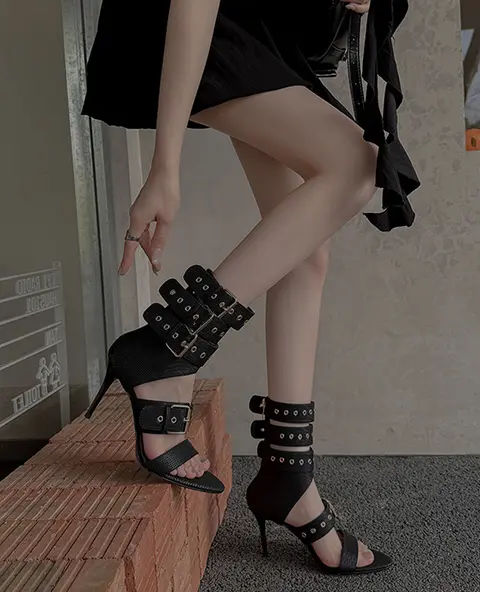
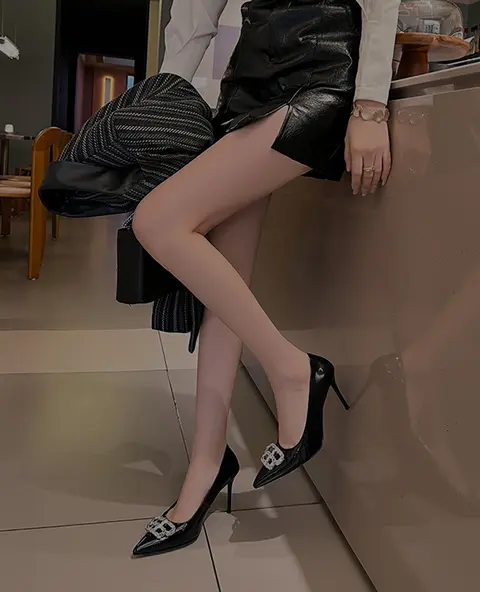
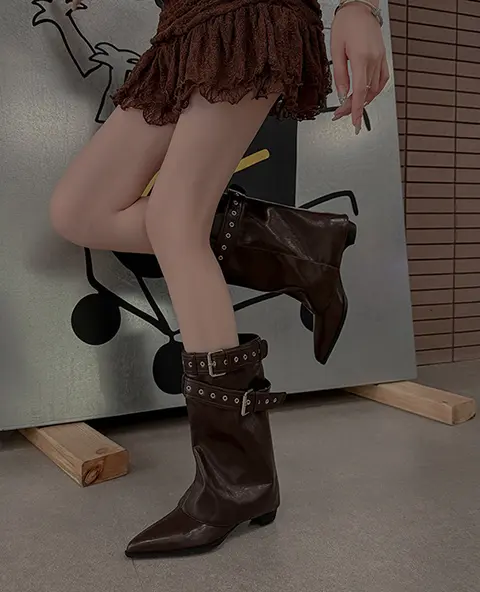
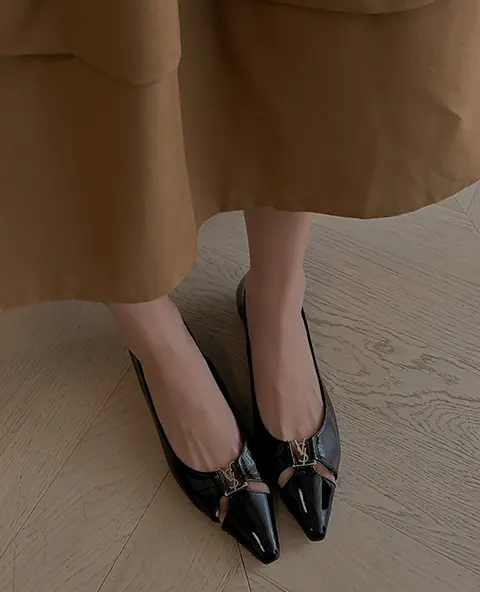
Our commitment to R&D ensures we stay ahead of global standards and environmental requirements.
We are actively testing phase-change materials (PCMs) within our boot lining structures. Unlike standard fleece or wool linings that can trap excessive humidity under intense activity, PCMs absorb excess body heat when you warm up and release it back to the foot as temperatures drop, offering optimal thermostatic balance for dynamic environments.
To support clean recycling and carbon-neutral supply chains, our roadmap includes replacing traditional fossil-derived plastics with bio-derived elastomers sourced from castor bean oil and non-food crop biomass. This step ensures that future outsoles retain identical wear-resistance levels but feature a significantly lower carbon footprint.
By leveraging cloud-based 3D photogrammetry, our factory is engineering platforms that allow customers to capture their feet structures via smartphone apps. The data generates custom lasts, allowing our production lines to alter stitch coordinates and internal dimensions for tailor-made orders, improving comfort and reducing returns.
Standard rubber outsoles tend to harden, crystallize, and lose friction coefficient ratings below -15°C. Our chemists have designed advanced nitrile-butadiene rubber (NBR) and polyurethane (PU) blends that remain highly flexible and elastic down to -30°C, ensuring robust anti-skid performance on hard ice sheets.
Supporting emerging footwear startups and legacy multi-national corporations with identical dedication, efficiency, and logistical speed.
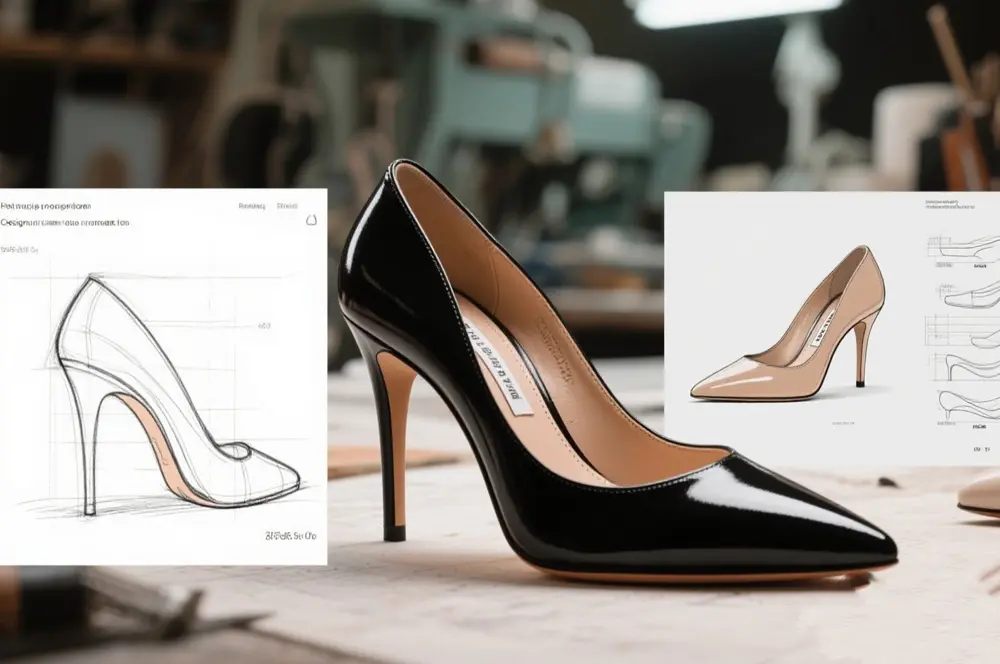
Our factory provides end-to-end management for footwear lines. Clients can supply a physical sample shoe, conceptual drawings, tech packs, or raw digital assets to initiate the engineering process. From there, our dedicated engineers select materials, adjust patterns, compile structural lasts, and assemble functional prototypes.
Once prototypes are vetted and certified for performance parameters (flex testing, waterproofing, thermal resistance), we proceed to automated die-cutting, computerized sewing, lasting, and final vulcanized or cemented outsole bonding.
Our facilities combine traditional handcrafted mastery with high-tech automated footwear manufacturing systems.
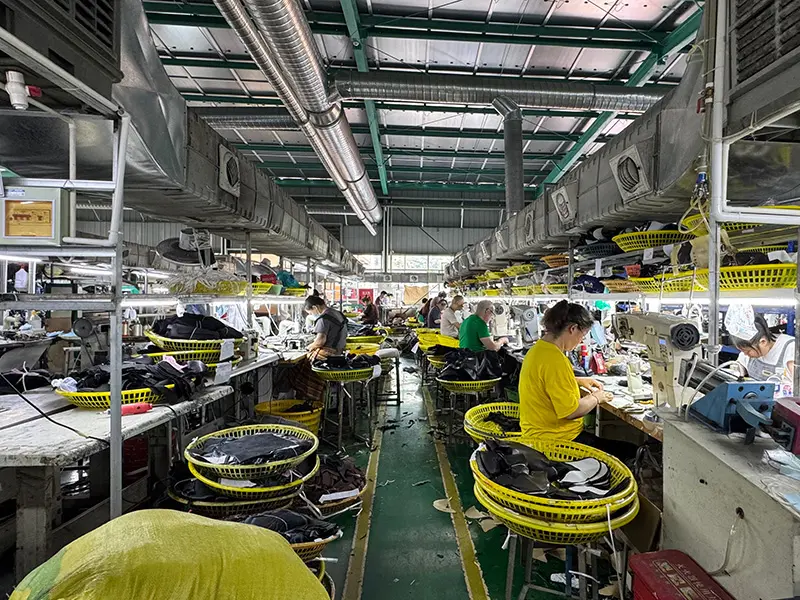
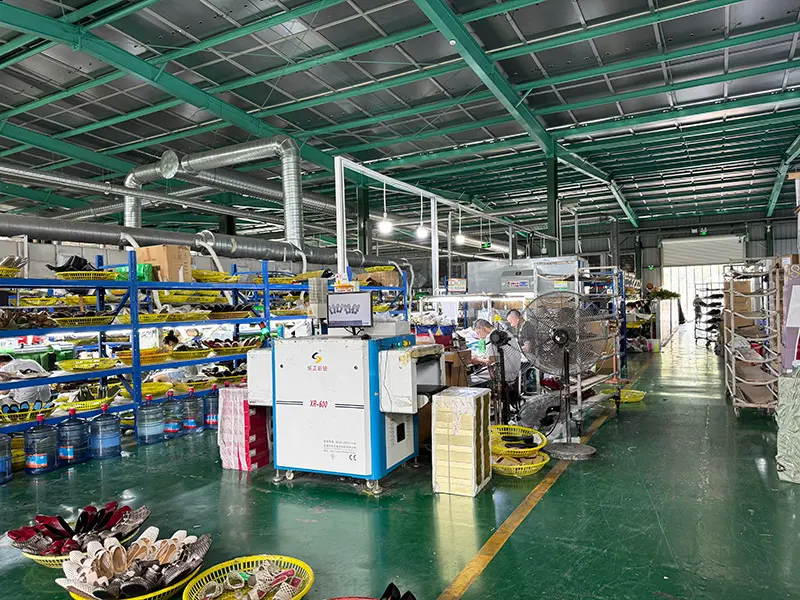
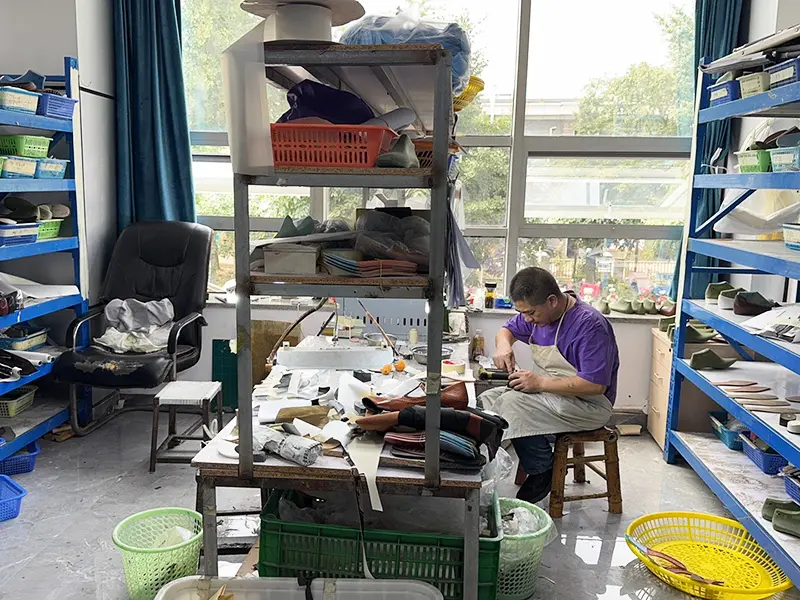

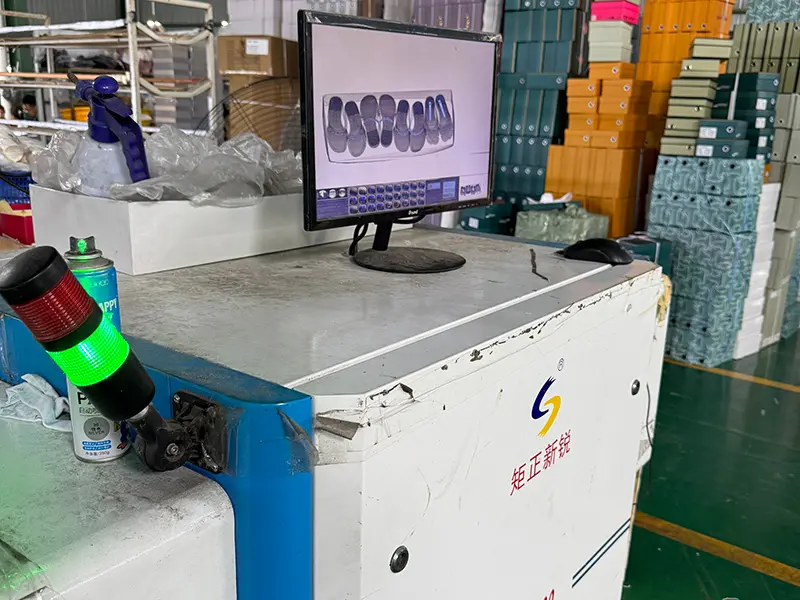
Discover our core manufacturing competitive advantages that safeguard your operational supply chain.


Detailed technical, regulatory, and supply chain questions answered by our industrial manufacturing directors.
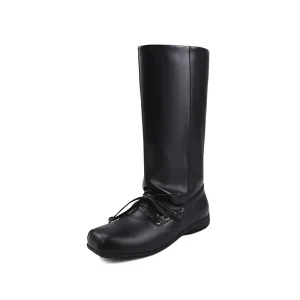
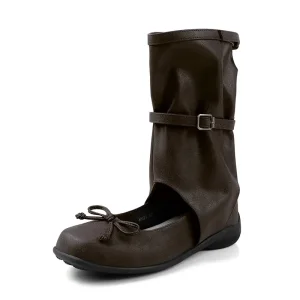
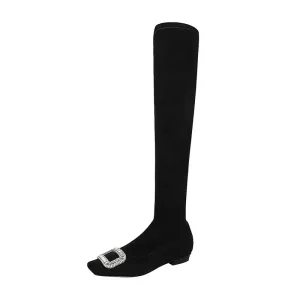
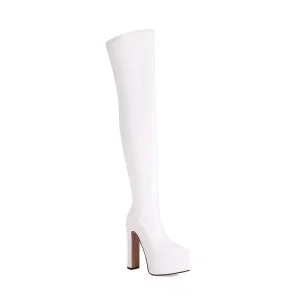
Browse our complete catalog. Click on specific items below to analyze custom materials, sizes, and pricing structures.
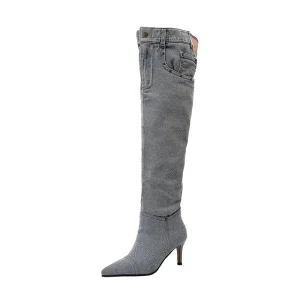
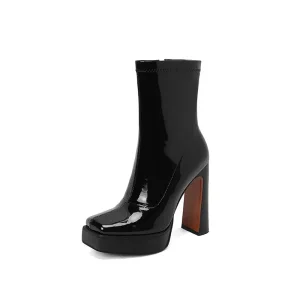
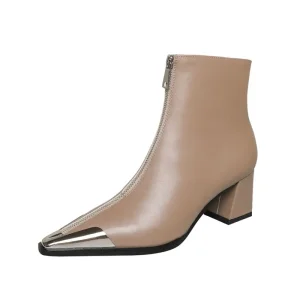
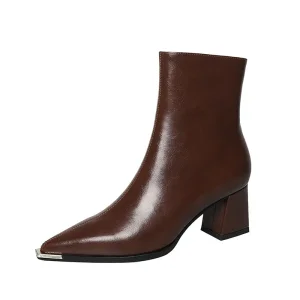
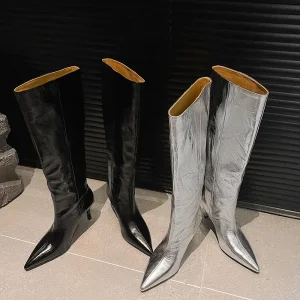
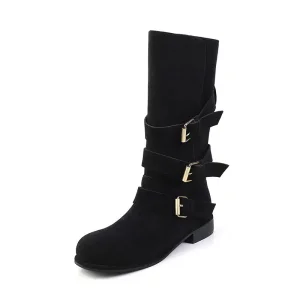
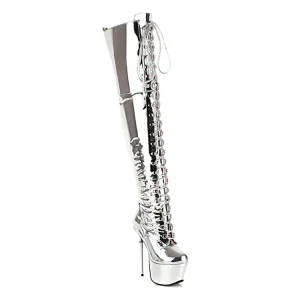
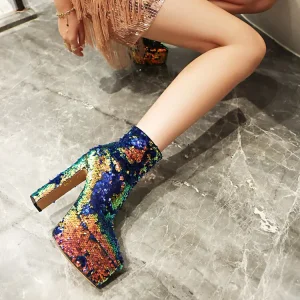
Collaborate with an experienced global footwear manufacturer to create highly reliable, stylish, and climate-compliant boots for the Norwegian retail market.
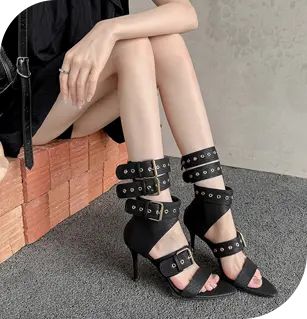
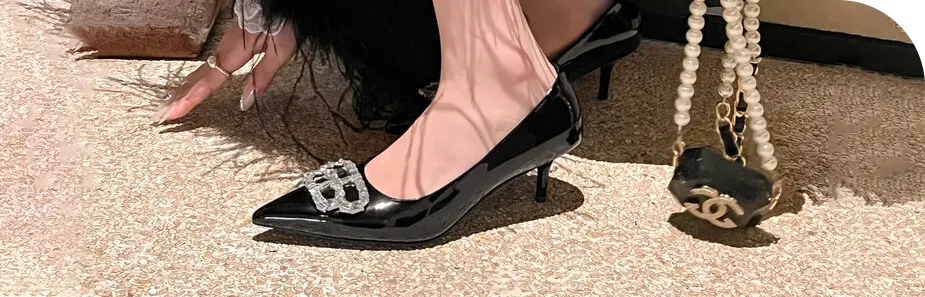
Please leave your requirements and we will reply within 24 hours.
Send Inquiry Now