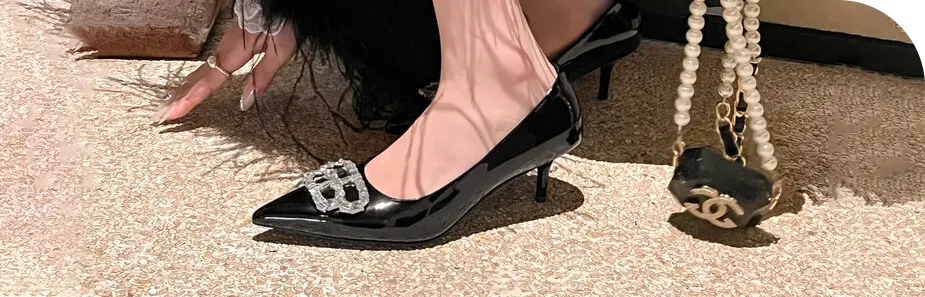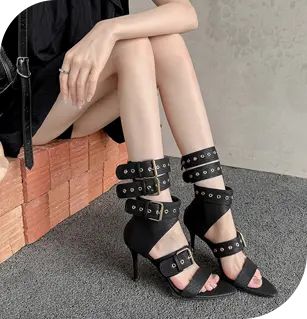
Discover our highly requested OEM and ODM custom womens dress footwear lines, manufactured under strict quality audits and optimized for high-volume supply chains.
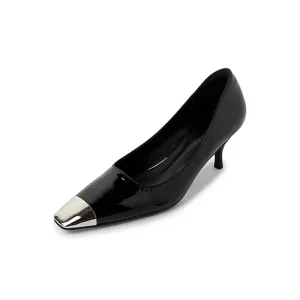
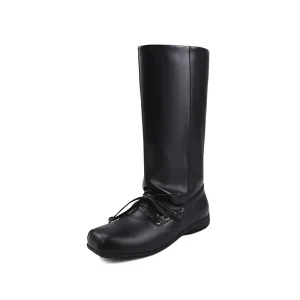
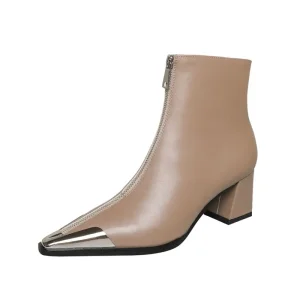
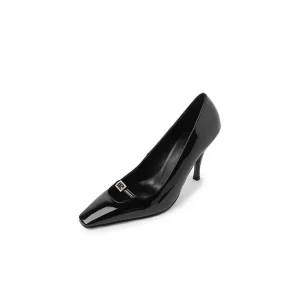
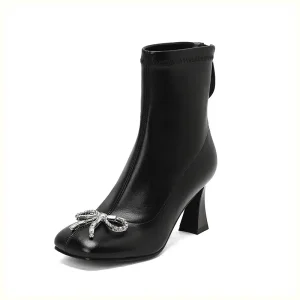
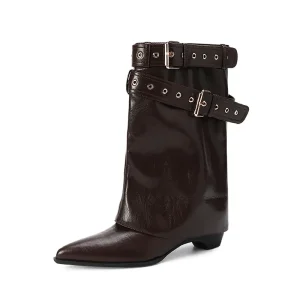
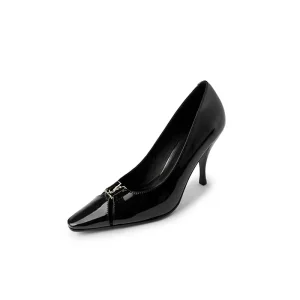
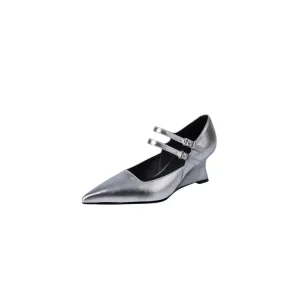
In the luxury and premium contemporary footwear sectors, Green Dress Shoes for Women represent a convergence of bold fashion statements and eco-conscious manufacturing. Green shades—ranging from sophisticated forest and sage to vibrant emerald and mint—rely heavily on precise chemical formulation to ensure colorfastness and compliance with global environmental standards.
As global sourcing directors assess footwear factories, factors such as chrome-free tanning protocols, volatile organic compound (VOC) reduction in adhesive bonding, and rigorous mechanical performance metrics take precedence. By integrating advanced production engineering with sustainable material selection, our facility acts as an essential supply chain partner to premier brands in Europe, North America, and the Asia-Pacific region.
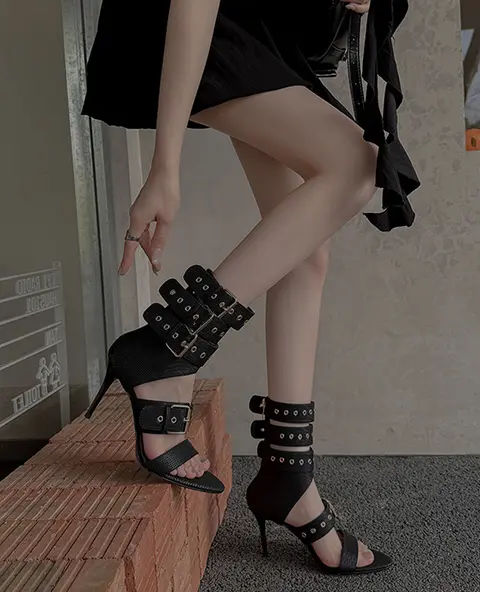
We engineer shoes designed to offer optimal support, balanced weight distribution, and high aesthetic appeal.

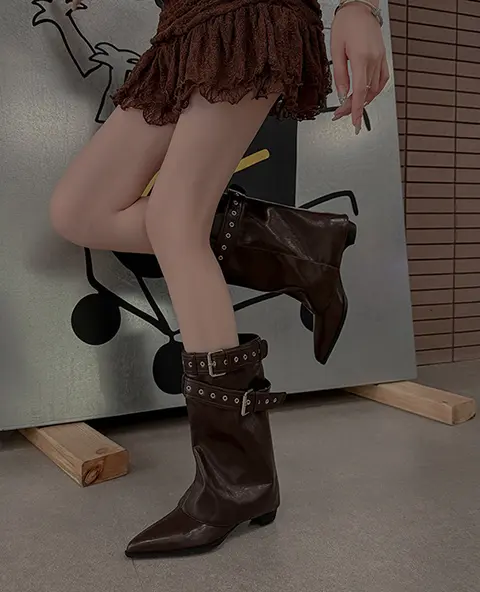
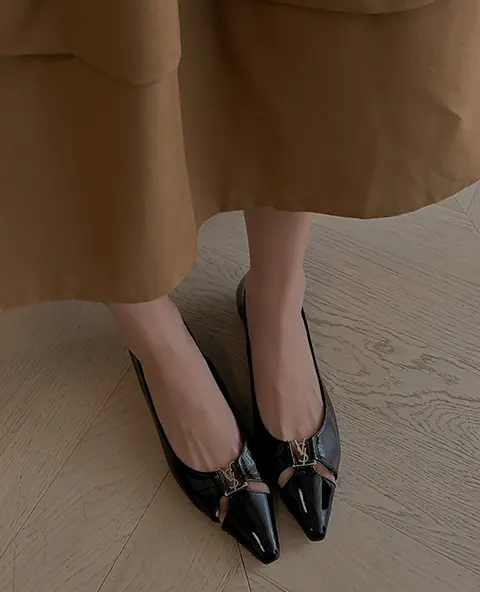
An authoritative guide to raw material selection, green tanning, chemical compliance, and production scaling.
To produce green women's dress shoes that comply with modern eco-regulations, manufacturers must manage the leather tanning and dyeing processes with high precision. Achieving consistent tones of olive, emerald, forest, and sage green requires high-quality aniline and semi-aniline dyes that are free from restricted heavy metals.
Our partner tanneries implement advanced Chrome-Free (Aldehyde-based or Vegetable-based) tanning techniques. This reduces hazardous wastewater discharge and ensures that our finished leathers comply with the European Union’s REACH regulations and California Proposition 65. The elimination of hexavalent chromium (Cr VI) ensures that the footwear is safe for consumers and meets the environmental standards required by international retail networks.
High-heeled pumps, wedges, and boots require precise structural engineering to maintain balance and durability. The core of a premium women's dress shoe is its internal shank, which is typically constructed of hardened steel or composite fiberglass. The shank provides structural rigidity and prevents the shoe from buckling under the wearer's weight.
To improve comfort, we integrate dual-density polyurethane (PU) and memory foam insoles. These are engineered to distribute plantar pressure and reduce strain on the metatarsal head. Outsole materials, such as wear-resistant thermoplastic polyurethane (TPU) and high-density rubber, are selected to match the shoe’s intended use. This ensures a balanced coefficient of friction to prevent slips on polished indoor flooring and city pavements.
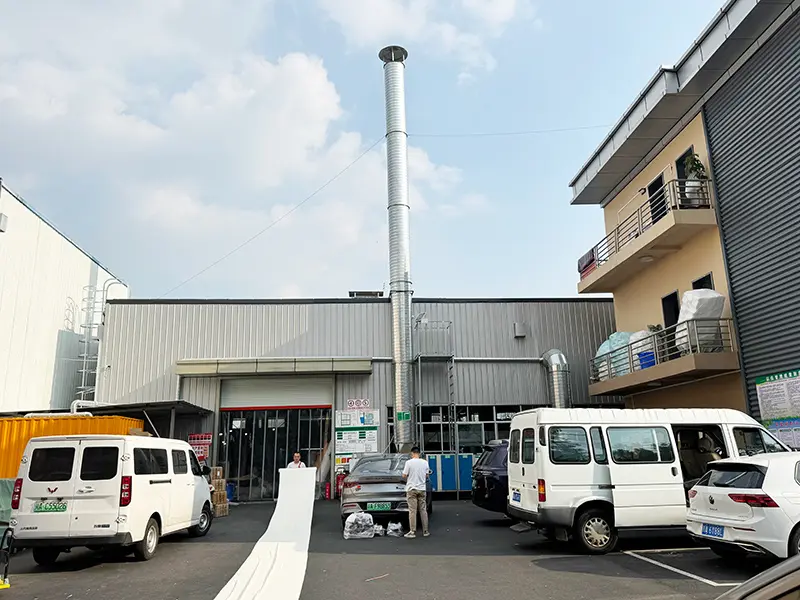
China's footwear manufacturing clusters offer significant advantages in terms of material availability, specialized labor, and integrated logistics. Our facility in Wenzhou leverages this ecosystem to source high-grade leathers, custom buckles, decorative rhinestones, and specialized components quickly and efficiently.
With a monthly capacity of 300,000 pairs across 10 modern production lines, we combine industrial-scale output with high attention to detail. This integration helps reduce lead times, lower per-unit costs, and provide stable quality control from raw material input through final box sealing.
In contemporary retail, high inventory costs and sudden style shifts present ongoing risks. To help brands mitigate these challenges, we offer a flexible minimum order quantity (MOQ) of just 30 pairs per style.
This low entry threshold allows startups and boutique retailers to launch niche product lines, test regional demand for specific green shades, and restock styles based on actual sales data. Larger enterprises can also utilize this system to run market-testing phases before committing capital to high-volume bulk runs.
From initial design concept to final international shipping, our step-by-step process is engineered for transparency and speed.
Existing sample replication, high-res reference photos, concept drawings, or tech packs.
Selecting materials, developing custom lasts, and creating 3D prototypes.
Physical test wear, sizing validation, and client feedback adjustments.
Material cutting, lasting, sole bonding, and final stitching on modern assembly lines.
Rigorous 100% inspection, moisture treatment, and customized brand packaging.
Optimized container loading, export clearance documentation, and tracking.
Every batch of green dress shoes undergoes rigorous laboratory and physical testing prior to packaging.
| Testing Criterion | Target Standard | Methodology | Compliance Reference |
|---|---|---|---|
| Upper-to-Sole Adhesive Bond Strength | ≥ 3.0 N/mm | Satras Sole Adhesion Test (SATRA TM137) | EN ISO 20344 |
| Flex Resistance of Outsoles | No cracking after 50,000 cycles | Bata Belt Flexing Tester (SATRA TM133) | ISO 4643 |
| Colorfastness to Rubbing (Dry/Wet) | Dry ≥ Grade 4, Wet ≥ Grade 3-4 | Veslic rub fastness testing machine | EN ISO 11640 |
| Heel Attachment Strength | ≥ 1000 N lateral load resistance | Heel fatigue and impact testing | SATRA TM113 |
| Free Formaldehyde Content | ≤ 75 mg/kg (Children's ≤ 20 mg/kg) | Spectrophotometric analysis | GB/T 19941 / REACH Annex XVII |
Integrating computerized CAD pattern design with precise manual leather-cutting techniques.
Our factory operates 10 modern production lines. These incorporate automated lasting machines and temperature-controlled drying tunnels, ensuring consistent sole-to-upper adhesion.
Our team consists of over 100 skilled employees, including experienced pattern makers and lasting technicians, who help bridge the gap between digital CAD blueprints and hand-tailored leather production.
With a monthly production capacity of 300,000 pairs, we can manage high-volume retail orders and seasonal demands without compromising delivery schedules.
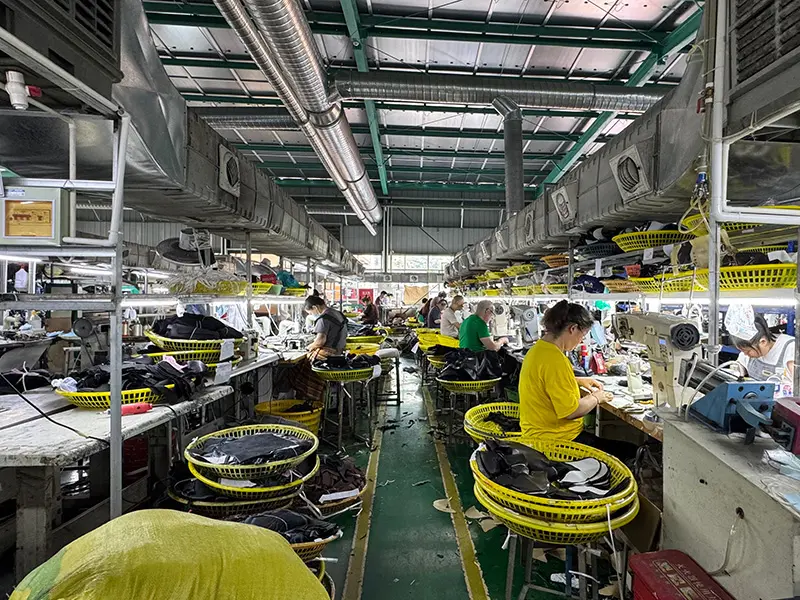
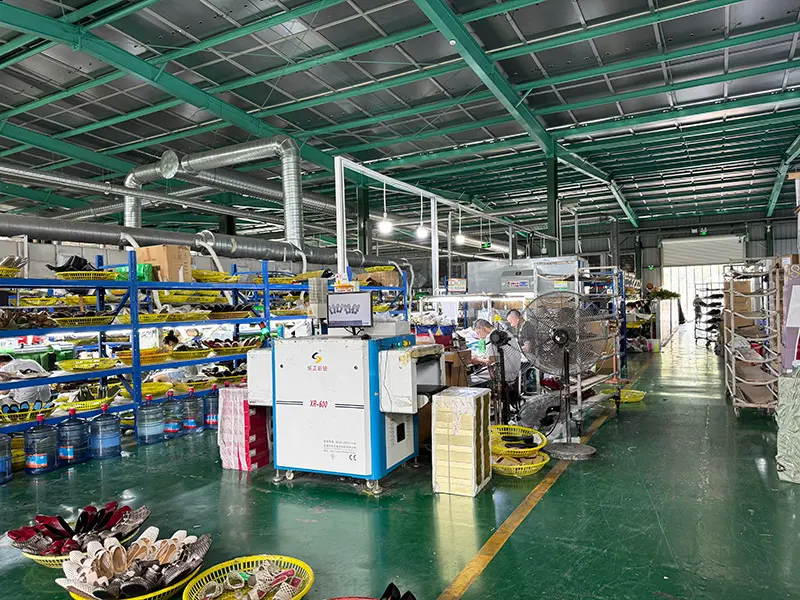
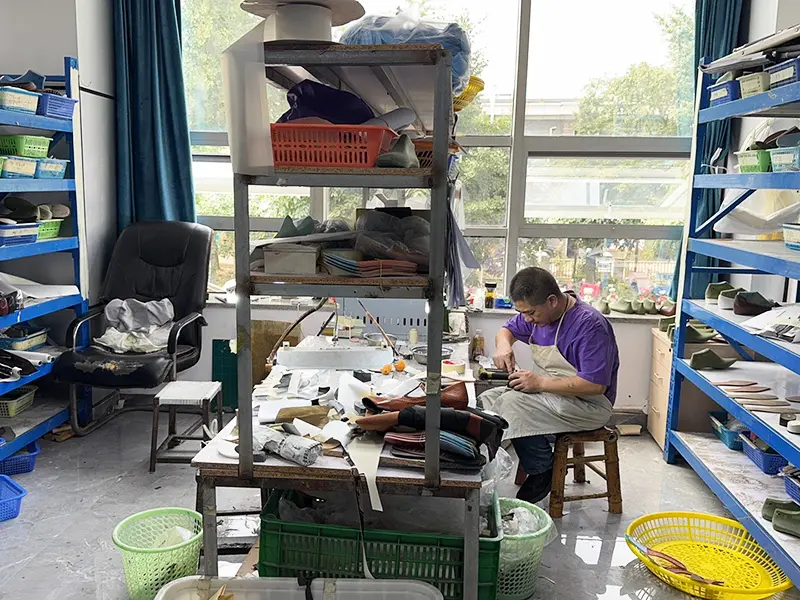

Why premier retailers, global brands, and designer startups trust our manufacturing processes.
We blend Eastern craftsmanship with contemporary styling, ensuring every pair of leather shoes meets premium standards for fit, alignment, and aesthetic appeal.
With three decades of footwear manufacturing and 14 years of export experience to North America and the EU, we understand international logistics, compliance standards, and tariff structures.
We offer a 30-pair minimum order quantity (MOQ) per style, providing flexible testing options for new designers and helping larger retailers manage inventory risk.
We utilize low-VOC water-based adhesives, source materials from audited tanneries, and follow international waste-management protocols to support responsible manufacturing.
Ensuring cross-border compliance, import customs clearing, and localized retail standards.
For brands importing to the United States and Canada, footwear must meet clear labeling standards, including country of origin and component materials (leather, lining, outsole). We verify that all leathers meet California Proposition 65 regulations, ensuring lead, phthalate, and heavy-metal contents remain within legal limits. We also supply testing documentation to streamline customs clearance through the US CBP.
Importing footwear into the European Union requires compliance with REACH chemicals regulations. Our production processes exclude restricted azo dyes and dimethyl fumarate (DMFu), reducing the risk of shipment delays or recalls. For specialty footwear items, we provide CE-compliant documentation verifying mechanical and structural safety.
We offer flexible freight options under FOB, CIF, DDP, and EXW terms, working with top global logistics partners. By using standardized outer cartons, moisture-absorbing silica gel inserts, and anti-mold sheets, we protect footwear from humidity and temperature shifts during ocean transit, ensuring products arrive ready for retail distribution.
"Our compliance team monitors updates to the EU's Corporate Sustainability Due Diligence Directive (CSDDD) and global import policies, helping us maintain a transparent supply chain for international brands."
Common inquiries from sourcing directors, purchase managers, and footwear brands regarding custom orders.
Lead times vary depending on design complexity and order volume. Typically, the sample development process takes 7 to 14 working days from technical spec sheet confirmation. Once samples are approved, bulk production requires 30 to 45 days. High-volume runs or peak seasonal orders may require additional time, which we schedule directly with clients.
We run spectrophotometer color matching tests to maintain consistent shades across production batches (such as olive, forest, or emerald). The leather is tested under standardized D65 light sources to check for metamerism. Physical strength is verified through dry and wet rub tests (Veslic), ensuring the green pigments remain stable and resist fading over time.
Yes. We supply GRS-certified (Global Recycled Standard) microfiber leathers, water-based PU alternatives, and biodegradable lining materials. These materials maintain the texture and performance of traditional leather while supporting eco-conscious brand initiatives.
We work with standard UK, US, and EU size charts. During the R&D phase, we use 3D digitizing systems to scan footwear lasts, adjusting toe boxes and heel profiles to ensure consistent fit across different target markets.
While we primarily focus on bulk OEM/ODM manufacturing and large-volume distribution, we partner with freight forwarders to support DDP air shipments, consolidated sea cargo, and regional fulfillment hubs for our regular wholesale clients.
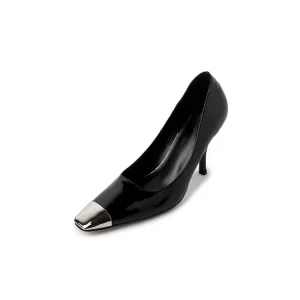
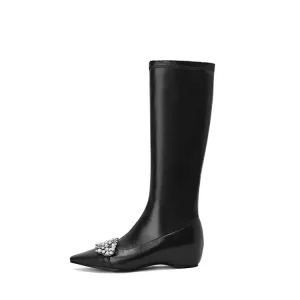
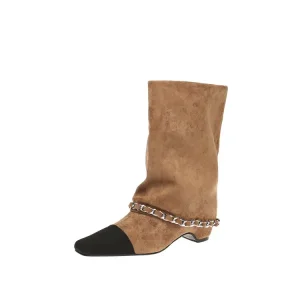
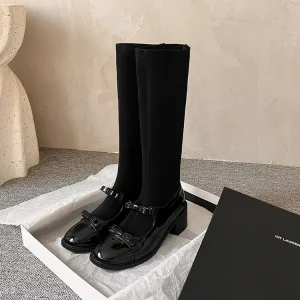
Explore our line of specialty heels, knee-high boots, and functional flats designed for international markets.
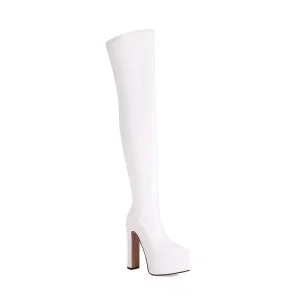
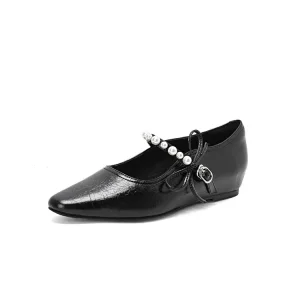
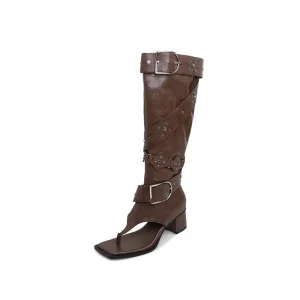
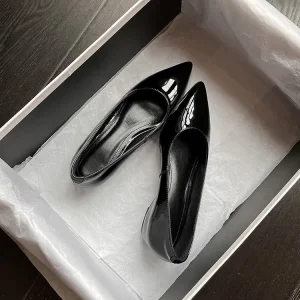
Partner with us to access verified supply paths, sustainable custom leathers, low-MOQ testing, and certified chemical management.
Receive material catalogs, custom heel design configurations, and FOB price quotes within 24 hours.