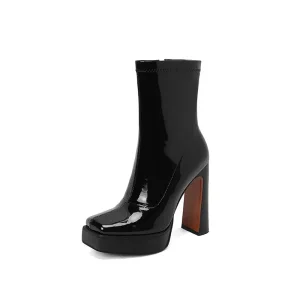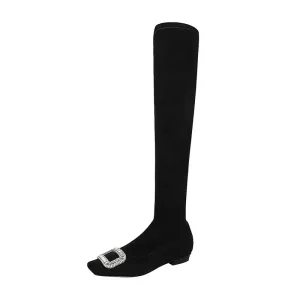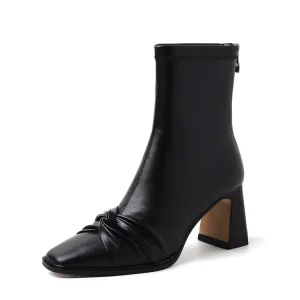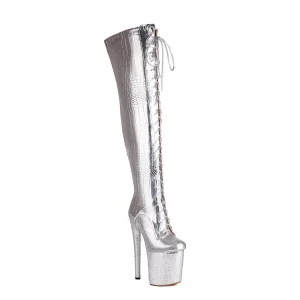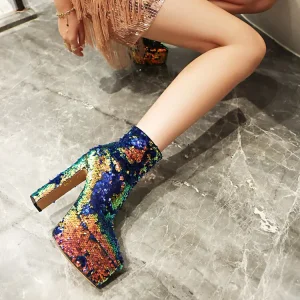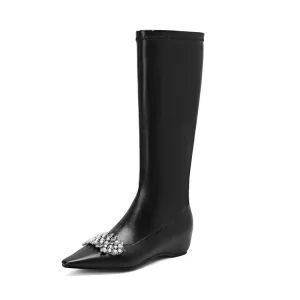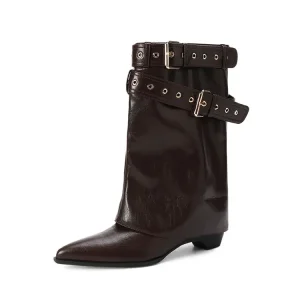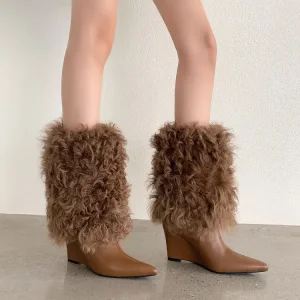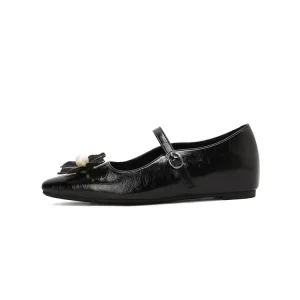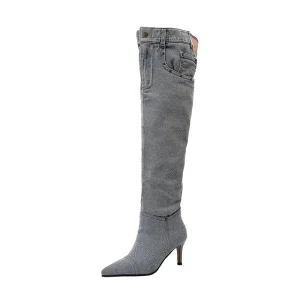
Discover our highly requested OEM and ODM genuine leather platforms, boots, and heels engineered for international commercial distribution.
In the globalized footwear supply chain, search intents surrounding "cheap women's dress shoes leather manufacturers" often mask a much deeper, structural need. Sophisticated B2B buyers, sourcing procurement officers, and fast-fashion brand directors are not merely seeking cheap products that fail to satisfy quality expectations. Instead, they are actively looking to optimize the Total Cost of Ownership (TCO) without compromising the durability, visual appeal, and material integrity that consumers demand of genuine leather.
To successfully deliver cost-optimized genuine leather products, modern manufacturers must bridge the gap between traditional Italian craftsmanship and mechanized, high-throughput manufacturing lines. The term "cheap" in an industrial context refers to efficiency scaling. By employing automated CAD leather nesting tools, standardizing lasts, utilizing split leather or action leather optimized with polyurethane overlays, and establishing lean manufacturing frameworks, we lower the manufacturing cost per unit while meeting the strict mechanical requirements of global wear tests.
Our operations focus on mitigating three main variables in unit cost structures: leather hide yield efficiency, stitching labor metrics, and shipping density. When searching for wholesale companies, buyers must inspect how these manufacturers manage hide defects and cutting layouts. A 5% increase in layout efficiency translates directly to a lower FOB (Free On Board) cost, giving your brand a distinct margin advantage on the retail shelf.
Established in 1995, our factory has accumulated over 30 years of technical expertise in the design, development, and high-volume production of premium and cost-optimized genuine leather women's shoes. We serve as a trusted backend partner for multinational brands, retail conglomerates, and emerging footwear labels. Our focus is clear: marry comfort, aesthetic innovation, and commercial scale.
Through three decades of expansion, we have established robust manufacturing lines capable of handling highly complex custom specifications. From delicate stiletto pumps to robust platform winter boots, our designs integrate ergonomic insoles, structural shanks, and premium grade hides.
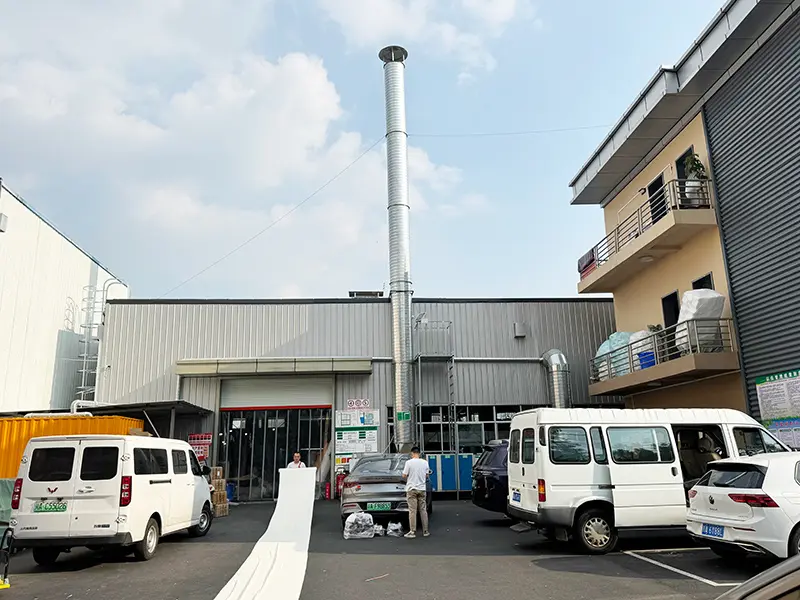
We specialize in providing high-flexibility, customized OEM and ODM services, scaling from niche boutique offerings to global enterprise container orders.
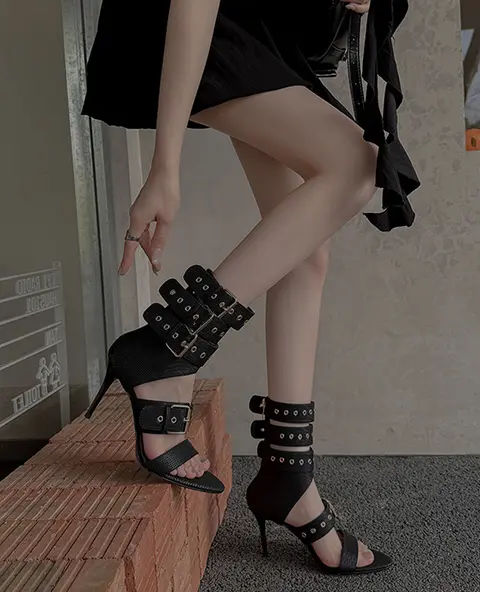
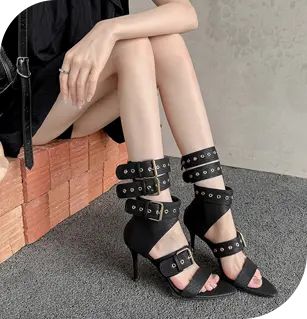
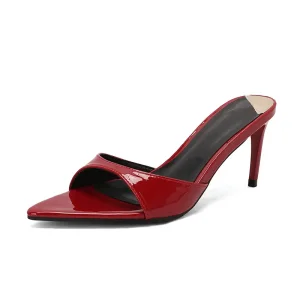
Club Style Studded Stiletto Sandals for Women, utilizing high-tensile strength straps and wear-resistant outsoles.
Learn More >
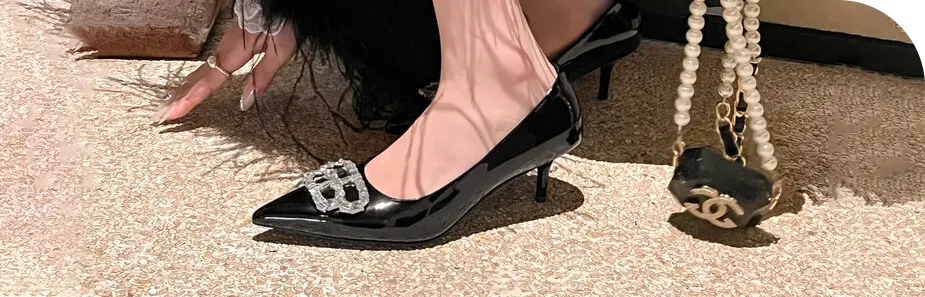
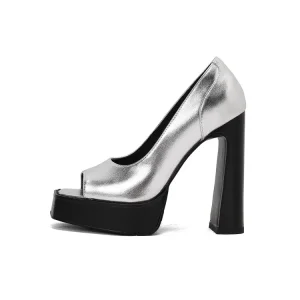
Sparkly High Heel Pumps - 9cm Rhinestone Party Shoes featuring reinforced heel pins and anti-slip outsoles.
Learn More >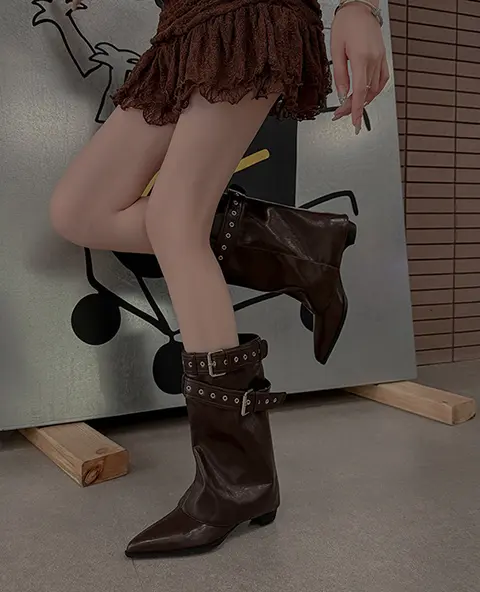
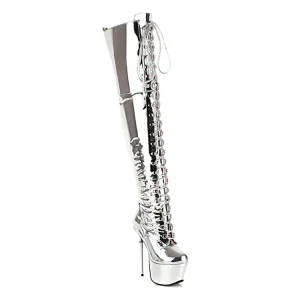
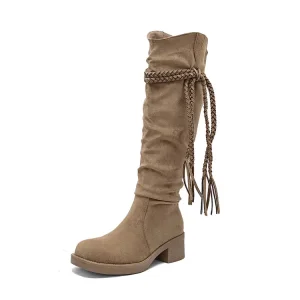
Women's Sexy Buckle Strap Knee High Chunky Heel Boots built with flexible shafts and ergonomic footbeds.
Learn More >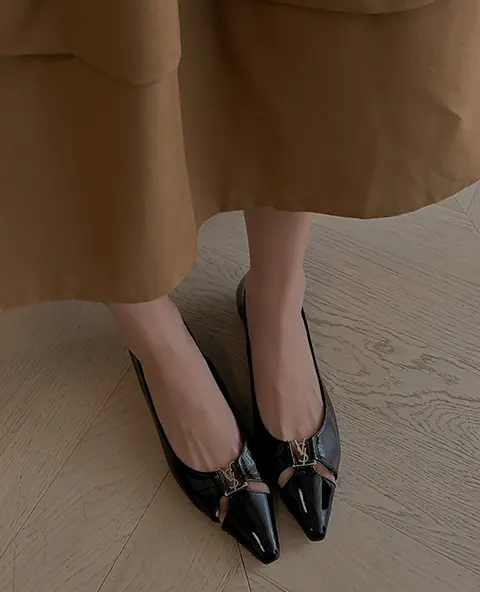
Women's Metal Buckle Patent Leather Flats, designed for daily comfort using flexible slip-resistant rubber outsoles.
Learn More >In B2B leather footwear procurement, raw materials account for approximately 40% to 55% of the total manufacturing cost of a shoe. Therefore, when negotiating with leather shoes manufacturers, procurement managers must evaluate the leather grades offered. Top-grain and full-grain leathers command premium prices and are targeted towards luxury demographics. For mass-market "cheap" yet highly durable dress shoes, sourcing departments must look to action leather, split leather, or high-performance microfiber backing leather.
Action leather—cow split leather coated with a thin polyurethane (PU) layer—offers a compelling balance. It provides the tensile strength, breathability, and structural rigidity of natural leather, while the synthetic top coat ensures uniform texture, water resistance, and eliminates surface blemishes, allowing for high-efficiency nesting during die cutting. Our procurement analytics team works directly with clients to map out material cost-curves based on target retail price points.
Additionally, volume-based scaling plays an essential role. Sourcing via large-scale manufacturing structures helps split the initial tooling costs (including the customized shoe lasts, outsole molds, and cutting dies) across thousands of units. This amortizes fixed setup charges and reduces the ex-factory unit cost. When evaluating footwear manufacturers, brands must analyze their capacity to secure bulk leather shipments from certified tanneries at volume discounts.
Integrating digital visualization, automated assembly systems, and eco-tanning chemistry for the next generation of B2B production.
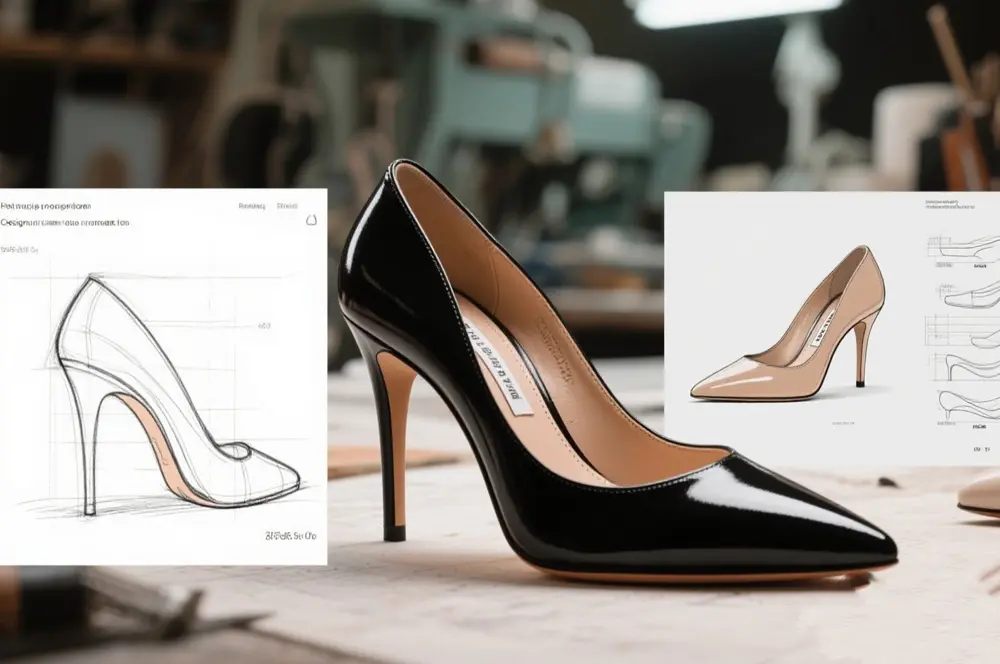
Transitioning from physical prototype iterations to high-fidelity 3D modeling and digital lasts. This reduces sampling lead times by 60% and minimizes raw material consumption during the early R&D phases.
Implementing computer-vision powered leather cutting systems. Scanners detect natural scars on leather hides in real-time, arranging patterns to maximize yield and eliminate cutting waste.
Scaling up the use of chrome-free, vegetable-tanned, and bio-based synthetic polymers. Ensuring all chemicals satisfy REACH and LWG (Leather Working Group) standards for safety and carbon footprint reduction.
Our structured production workflow minimizes communication friction, ensures precision prototyping, and accelerates market entry.
• Client provides physical shoe samples, tech packs, or concept drawings.
• Materials analysis: matching target aesthetics with cost-effective leather options.
• Translating designs into digital patterns and building customized wooden lasts.
• Verification of fit, heel height, balance, and structural integrity.
• Dispatching physical prototypes to client headquarters for fitting trials.
• Iterative modifications to reach design, comfort, and safety standards.
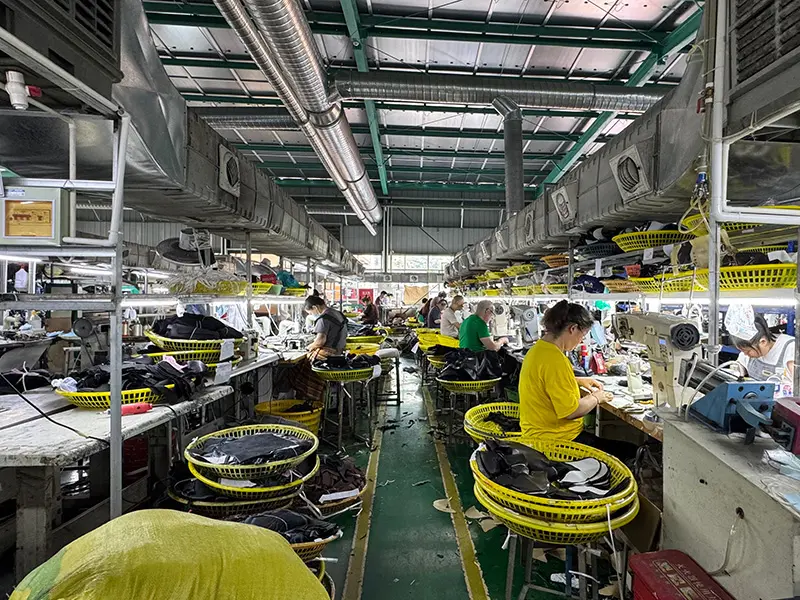
• Initiating automated leather die-cutting, hand-guided stitching, and lasting.
• Utilization of our 10 advanced assembly lines for rapid production turnaround.
• Strict in-line inspection of stitching tension, cementing bond strength, and alignment.
• Final clean-up, finishing, and custom packaging per AQL standards.
• Seamless ocean, air, or rail freight dispatch with comprehensive customs clearance paperwork.
• Door-to-port or warehouse delivery options with optimized container packing.
We operate modern footwear production facilities that balance manual craftsmanship with automated assembly line efficiency.
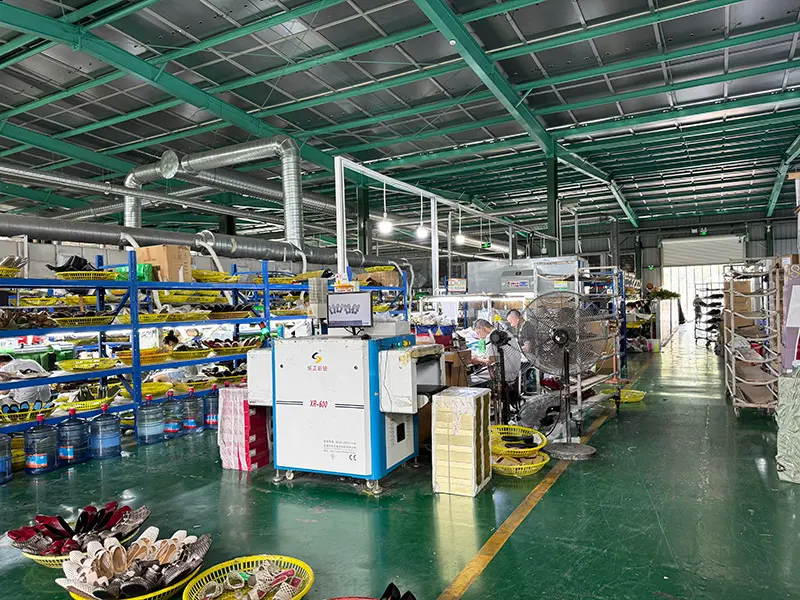
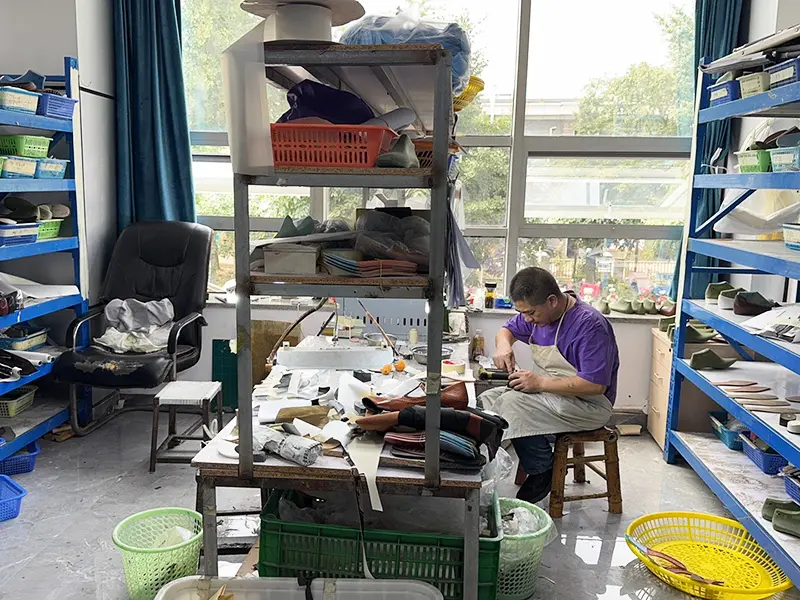

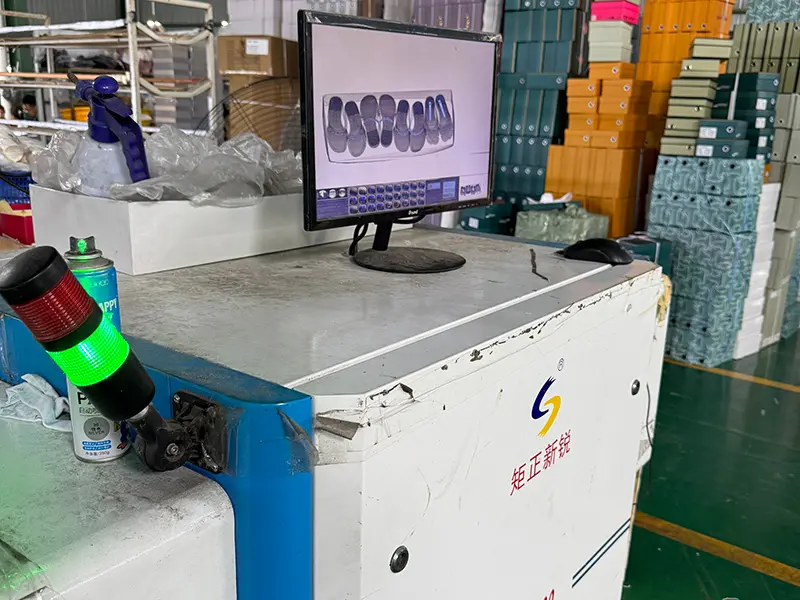
Modern B2B buyers face challenges ranging from shifting tariff regulations to geopolitical disruptions and rising logistics costs. Our factory provides holistic macro solutions designed to mitigate supply chain risks. We offer flexible Minimum Order Quantities (MOQs) starting as low as 30 pairs per style. This low-risk testing framework allows brands to validate new collections in live markets before committing capital to container-sized bulk runs.
Our proximity to major deep-water ports allows us to compress transit lead times. We also integrate comprehensive ERP systems that trace raw material batches back to their tanneries, offering transparent verification of material sourcing. This level of traceabilty is becoming increasingly necessary under emerging EU and US ESG directives.
In addition, our physical shoe testing lab checks every batch for flexing resistance, tensile tear strength, color fastness, and adhesive bonding. This ensures that even our most cost-efficient footwear lines are robust enough to minimize retail return rates, protecting your brand's reputation and bottom line.
Why global brands trust our factory for cost-optimized genuine leather footwear manufacturing.

We combine hand-stitched detailing with computer-optimized shoe lasts. Drawing inspiration from classic aesthetics, every pair delivers refined styling alongside reliable structural balance.

Offering 30 years of footwear design and 14 years of direct export experience to North America and Europe. We run 10 production lines yielding up to 300,000 pairs monthly.

We support businesses at all scales with a low 30-pair minimum order quantity (MOQ). This provides a reliable sandbox environment for startups and rapid-response test releases.

We prioritize sourcing from tanneries that use clean waste-water processing and eco-friendly tanning alternatives, aligning with international environmental compliance rules.
Operating a global supply chain requires adherence to diverse international safety, ecological, and customs regulations. Products must comply with chemical safety laws, including European REACH standards and American CPSIA testing. We ensure that our leathers are tested for restricted substances, such as Hexavalent Chromium, formaldehyde, and heavy metals, protecting both end-consumers and importing brands from regulatory penalties.
Our production facilities maintain CE compliance across our industrial protective lines, alongside regular BSCI social audits to verify ethical labor conditions. For B2B importers, this translates to clear documentation, smooth customs clearance, and reduced risk of port delays.
In terms of shipping logistics, we offer diverse Incoterms, including FOB, CIF, DDP, and EXW, depending on your company's supply chain setup. Our specialized customs documentation team handles HS Code classifications (principally under Chapter 64 for footwear), reducing import tax issues and helping to keep landed costs highly competitive.
Expert answers to common technical queries regarding bulk leather shoe manufacturing, costs, and customization.
We minimize production costs through optimized leather utilization and efficient factory processes. By implementing digital CAD nesting systems, we maximize cut yield and minimize scrap. Additionally, we source split and action leathers directly from bulk tanneries at volume discounts, allowing us to pass savings onto clients while retaining the durability and look of natural leather.
Our baseline MOQ is 30 pairs per style. This is designed to support startups, boutique designers, and large brands wanting to test new seasonal designs. MOQs for high-volume custom hardware, outsoles, or custom leather colors may vary depending on material supplier requirements, and can be evaluated on a project-by-project basis.
Prototyping and sample fabrication typically require 7 to 14 business days, depending on materials and design complexity. Once samples are approved, bulk production takes approximately 30 to 45 days. Lead times can be optimized for repeat orders using pre-machined outsoles and reserved leather stock.
Yes. We source various sustainable materials, including LWG-certified chrome-free leather, vegetable-tanned leather, and high-quality microfiber leather featuring recycled PET content. We collaborate with clients to balance environmental compliance targets with target production costs.
We employ a strict quality assurance system based on AQL 2.5 and 4.0 inspection standards. Our in-house laboratory tests raw leather tensile strength, flexing resistance, and adhesive bonding. Independent QC teams inspect each phase, from initial cutting and stitching to lasting, cementing, and packaging.
Yes. We operate on both OEM and ODM structures. Clients can choose to supply proprietary components (such as branded metal buckles, custom insoles, or custom shoe boxes) directly to our factory, or our procurement team can source them locally according to your design specifications.
Browse more of our wholesale footwear styles, featuring knee-high boots, custom mules, sandals, and pumps.
Connect with our engineering and design teams. Provide your project specifications, and we will deliver a comprehensive, cost-optimized production quote within 24 hours.