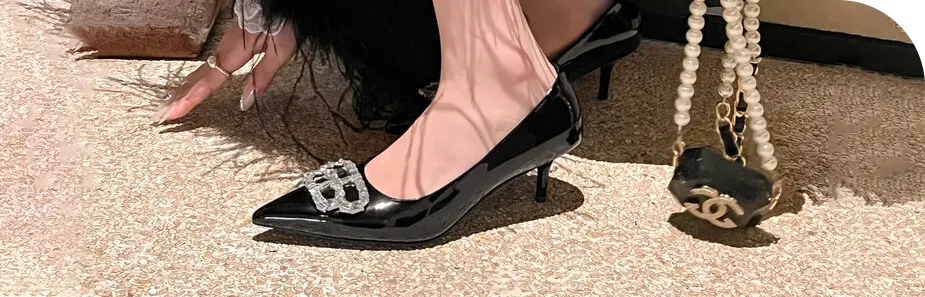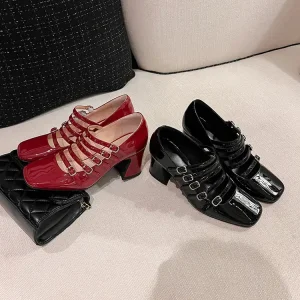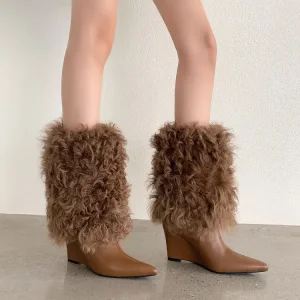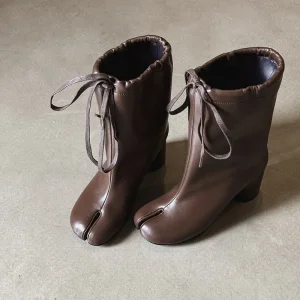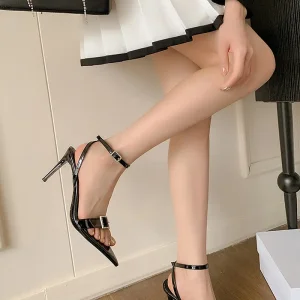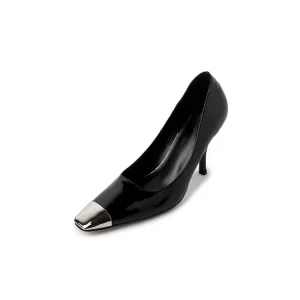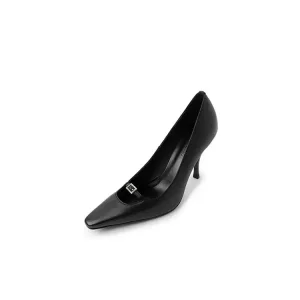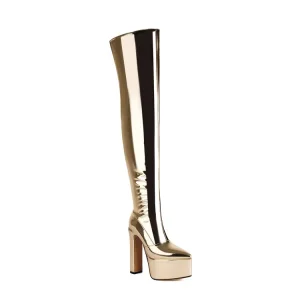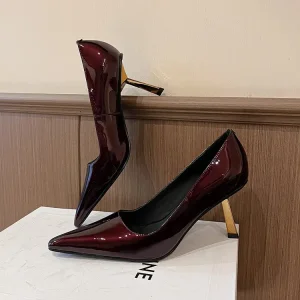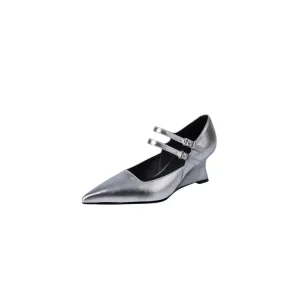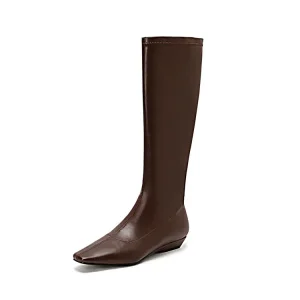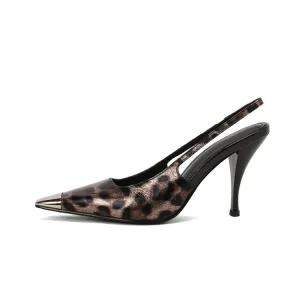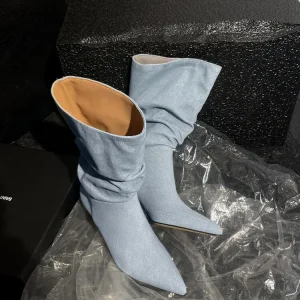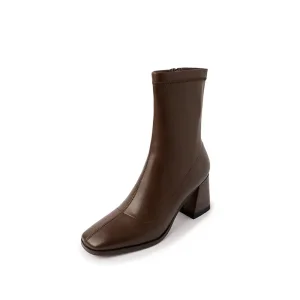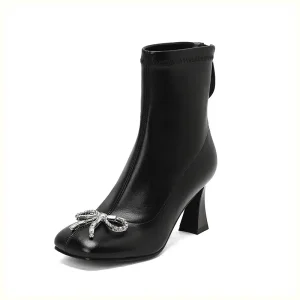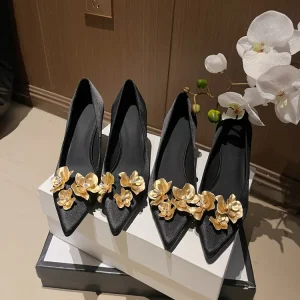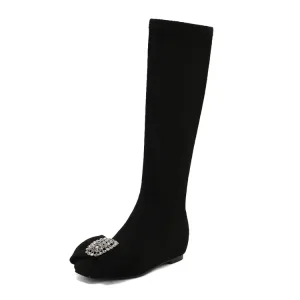
Pre-certified design profiles and market-ready industrial silhouettes for immediate batch manufacturing.
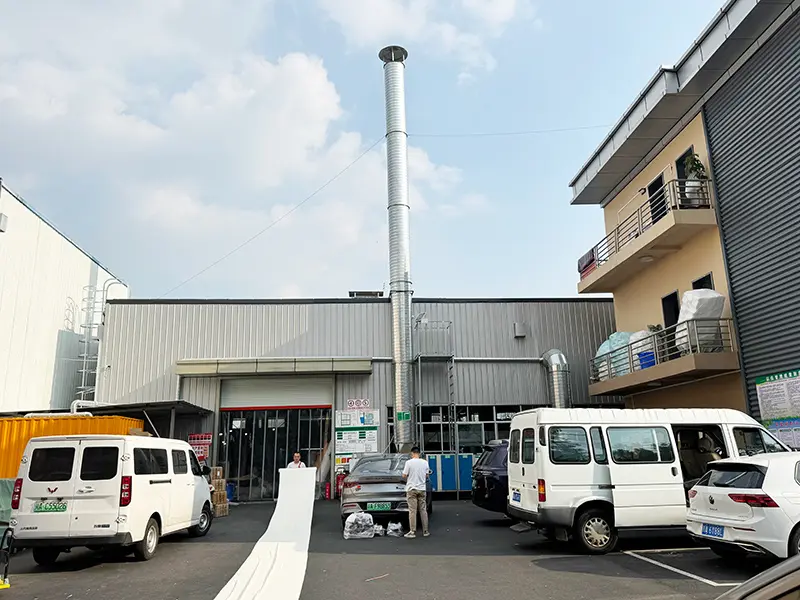
Founded at the peak of industrial expansion in 1995, our manufacturing facility has consolidated three decades of specialized expertise in designing, molding, and mass-producing high-grade genuine leather women’s shoes. Rooted in traditional craftsmanship and guided by modern biomechanical safety standards, we execute comprehensive private label (OEM/ODM) programs for global brands, ensuring elegance, physical structural integrity, and verified CE-certified conformity.
Deciphering macro economic demands, mechanical load parameters, and import safety regulations.
The global women’s high heel industry has transformed from a localized fashion-dominated trade to a precision-engineered global business worth billions of dollars. High heels are no longer just visual statements; they are complex structural items subject to mechanical stress analysis, material testing, and dynamic weight distribution rules. Today's global supply chain relies on suppliers who can balance aesthetic design with high durability and strict compliance.
Specifically within the European Union and North American markets, footwear import regulations have become significantly more stringent. Importers face strict barriers regarding physical safety and chemical testing. High-heel footwear must conform to general product safety standards and, where applicable, the EU Personal Protective Equipment (PPE) Directives for commercial slip resistance. The mechanical stability of the heel pin, the pull strength of the upper-to-sole bonding, and non-hazardous chemical usage under the EU’s REACH regulation form the core metrics of modern footwear quality control. Global fashion buyers and brands must establish direct links with manufacturers who hold verifiable production credentials to prevent custom delays and potential product recalls.
CE Certification ensures structural reliability. Tests focus on sole slip resistance, steel shank load capacity, and heel attachment strength to prevent sudden structural failure.
Evaluating sole flexing fatigue and heel impact threshold ensures that high heels remain stable under repeated dynamic stress cycles without losing shape.
Ensuring compliance with REACH restrictions by verifying that all leather tanning processes, adhesives, and metal elements are free of Hexavalent Chromium (VI), Lead, and Azo dyes.
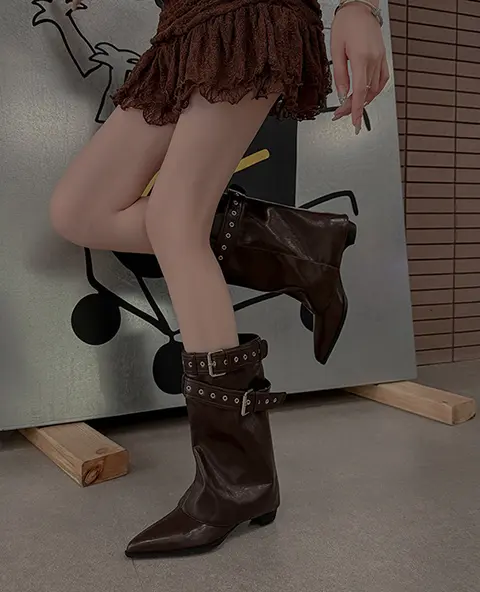
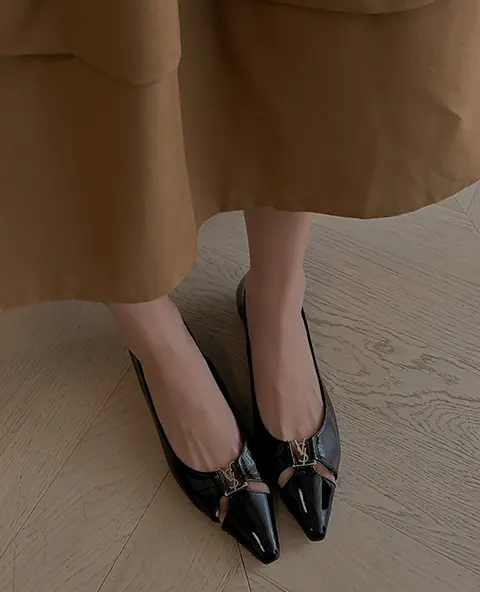
From high-impact stiletto heels to casual flats, explore our custom manufacturing capabilities.
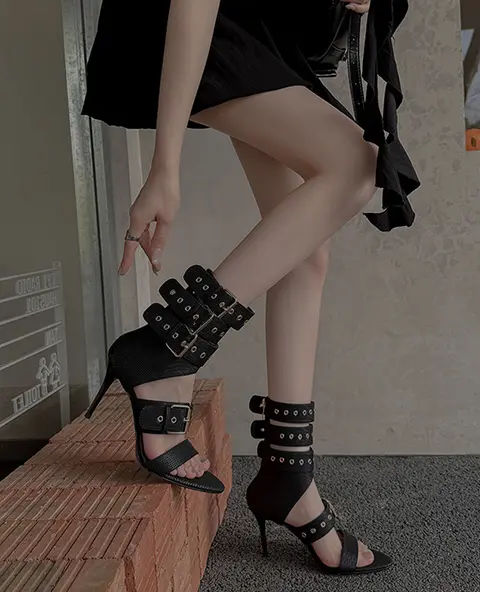
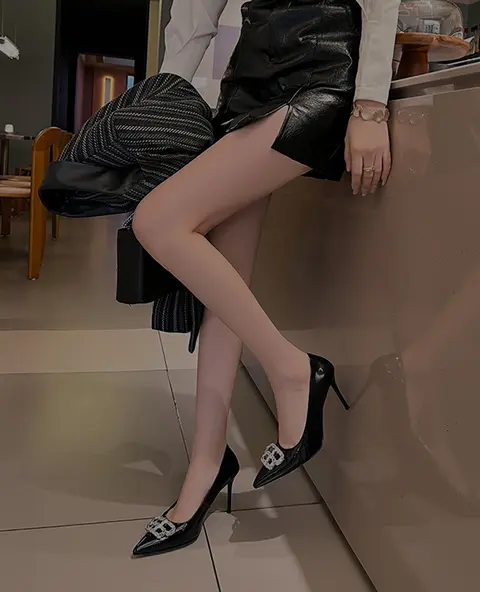
A structured, quality-controlled process designed to convert design concepts into production-ready physical product batches.
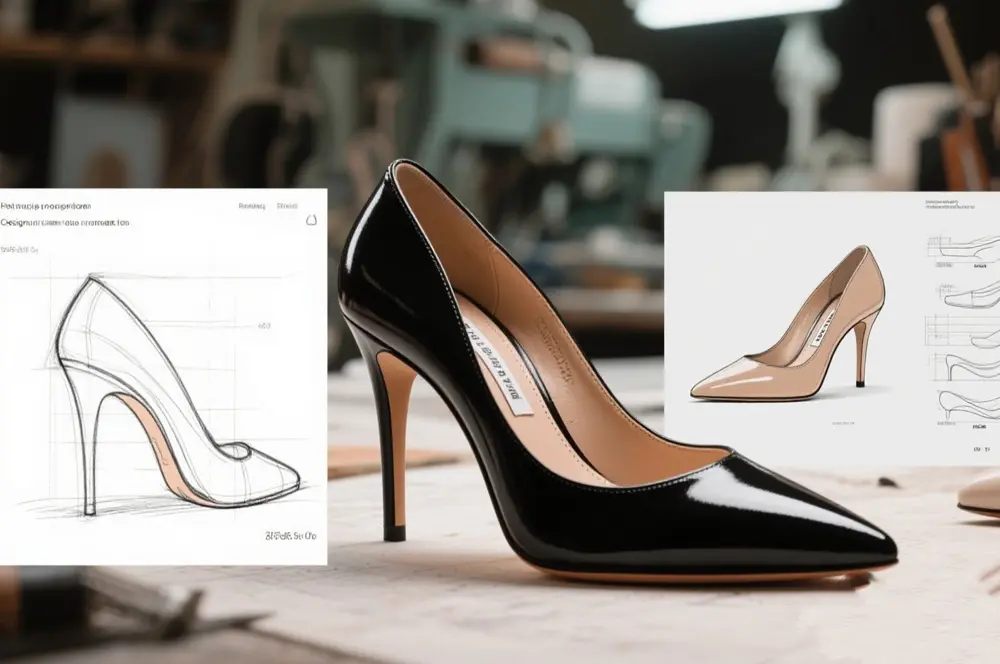
Our customization workflow is designed for brands that require structural precision. We support both low-volume runs (MOQ of 30 pairs per style) and high-volume industrial manufacturing, providing clear documentation at every step of production.
By integrating CAD modeling, physical last profiling, and direct load testing, we minimize the gap between your concept sketches and the final physical shoe. This approach ensures comfort, correct heel alignment, and stability right from the very first sample.
A guide to the biomechanical and safety standards required for importing footwear into major global markets.
Modern high heels require rigorous mechanical analysis to verify safety under high stresses. We conduct standard safety testing on all our structural builds:
Footwear sold in the European Union must meet specific safety criteria. For high-end high heels, this includes compliance under the General Product Safety Regulation (GPSR) and relevant chemical safety codes:
Tailoring custom footwear lines to meet the functional and regulatory requirements of diverse target markets.
Design optimized for long-term wear during work days. Features balanced mid-height heels (5cm-7cm) combined with shock-absorbing memory foam footbeds. The internal arch supports are shaped to reduce pressure on the ball of the foot, helping prevent fatigue during long shifts.
Designed for dancers and stage performers who need exceptional stability and foot articulation. Features reinforced outsoles, high-flexibility shanks, and extra-secure strap closures. Built to handle rapid lateral movements, high impact forces, and tight turns on stage.
High-end fashion styles with thin stiletto heels, premium leather linings, and hand-finished detailing. Crafted with careful attention to proportion, stitch lines, and material selection, satisfying the high aesthetic standards of premium retail brands.
In the current volatile global trade landscape, fashion brands face major challenges: unpredictable raw material costs, shifting trade tariffs, and delays in transit. We address these challenges with strategic inventory management and flexible sourcing practices.
Our raw material supply chain relies on long-term partnerships with certified tanneries and component makers, allowing us to stabilize material costs. We maintain a stock of standard leather types, outsoles, and hardware items, which helps shield our clients from sudden market shortages. Additionally, our proximity to major shipping hubs gives us access to multiple freight routes, helping to keep delivery timelines reliable.
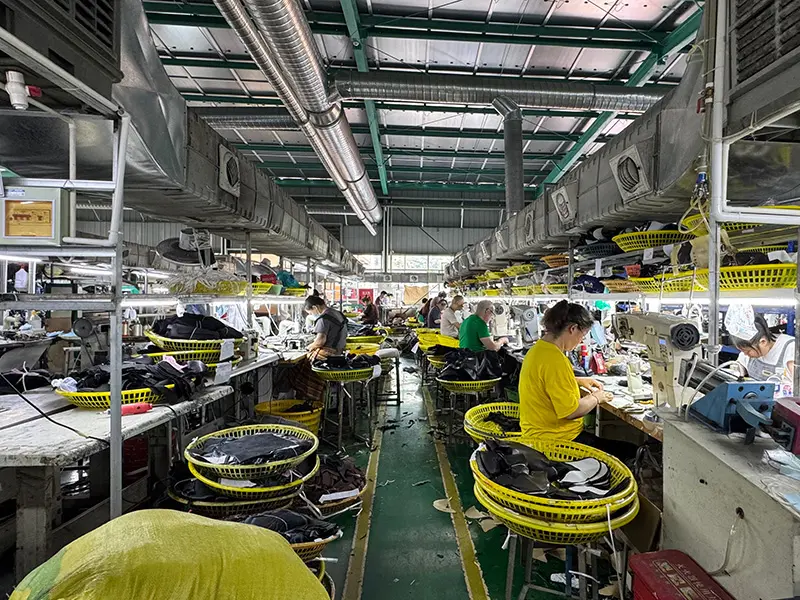
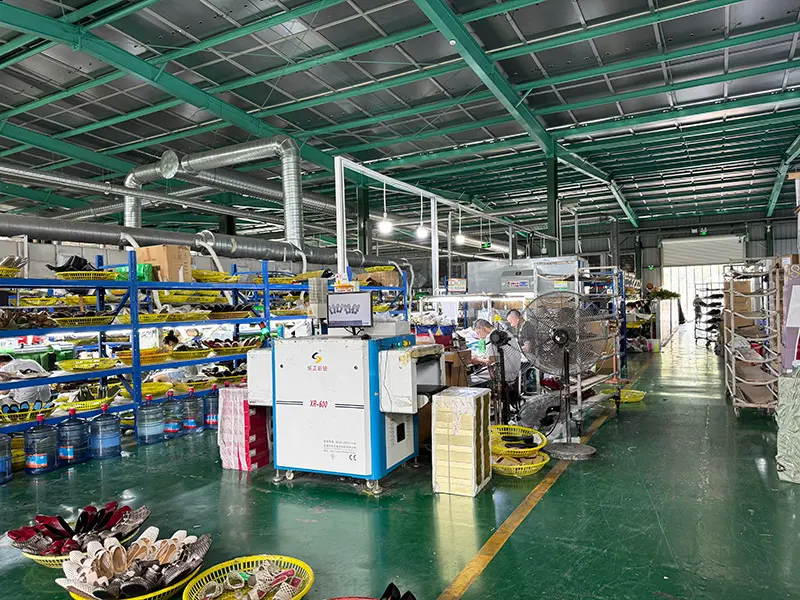
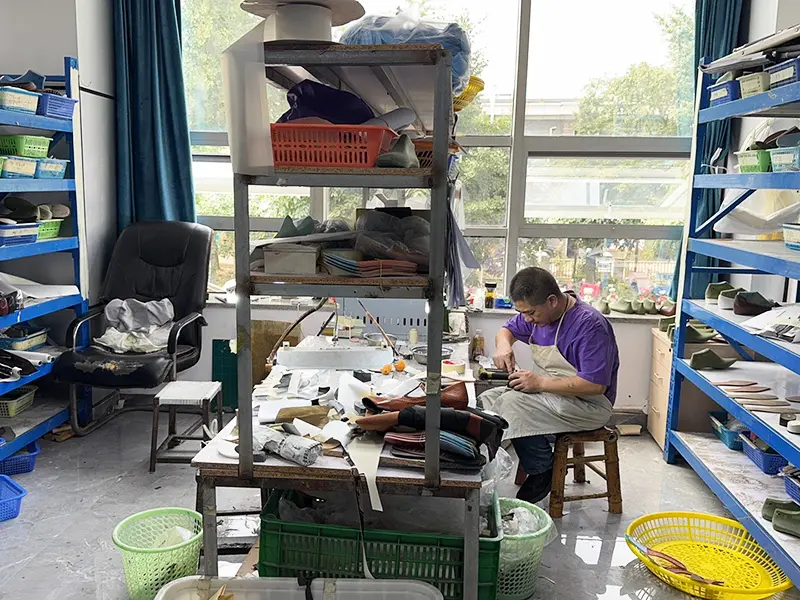
A look inside our modern production facility, where advanced machinery meets traditional handcrafting expertise.
Our facility runs 10 modern assembly lines, supported by a skilled workforce of over 100 shoemakers and QC specialists. This setup allows us to produce up to 300,000 pairs of high-quality shoes per month.
By blending automated cutting and lasting machines with traditional hand-stitching and detailing, we can scale production without losing the character of premium footwear. Whether you need a small batch of 30 pairs or a major run of 50,000, our workflow is set up to deliver consistent results.

Why leading global brands choose us for their footwear development and production programs.
Our work combines handcrafting techniques with premium materials to ensure durable, high-quality footwear. Inspired by the principles of craftsmanship, each pair represents a balance of timeless styling and reliable construction.
With 30 years of shoemaking history and 14 years of exporting experience to Europe and North America, we understand regulatory compliance and logistics across global markets.
Our low minimum order quantity of 30 pairs per style allows growing labels to launch collections and test the market with reduced upfront investment.
We work to reduce our environmental impact by using eco-friendly materials and optimizing our processes. Our operations comply with standard environmental requirements to support responsible production.
Important information regarding footwear safety certifications, customization workflows, and order terms.
Explore additional styles and boots designed for professional and casual fashion markets.
Request material samples, review test reports, or schedule a design consultation with our project engineers.
Apply to Join Q.L Codex