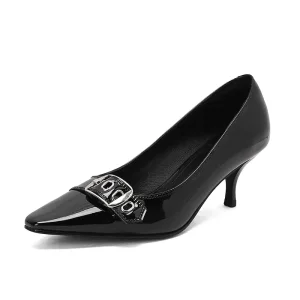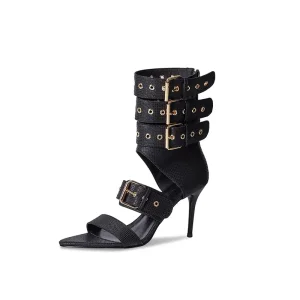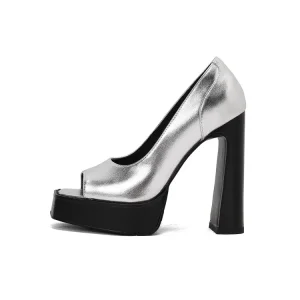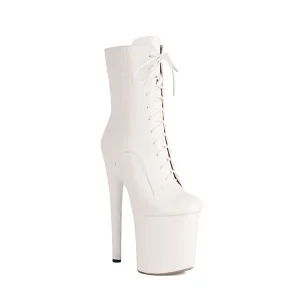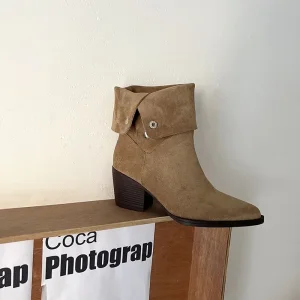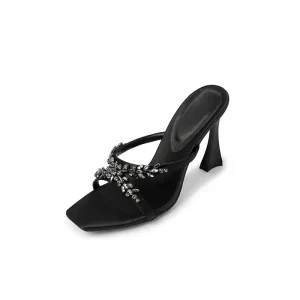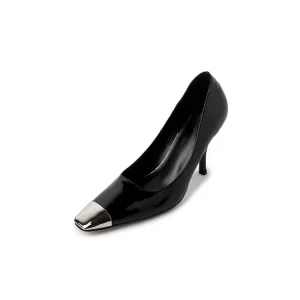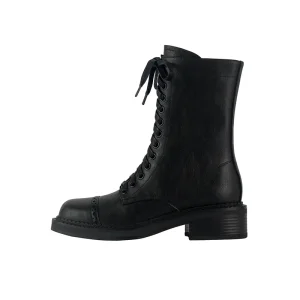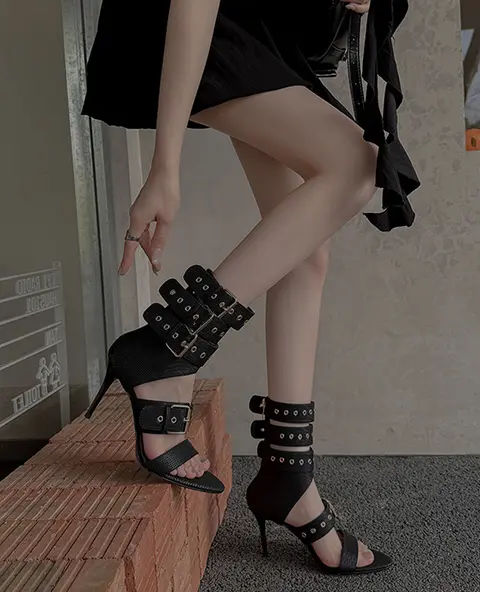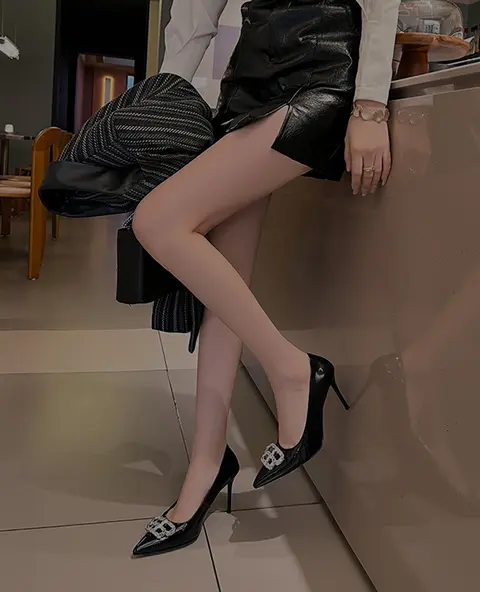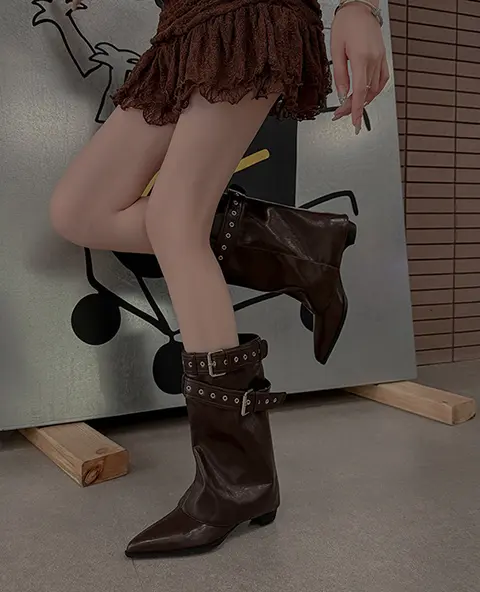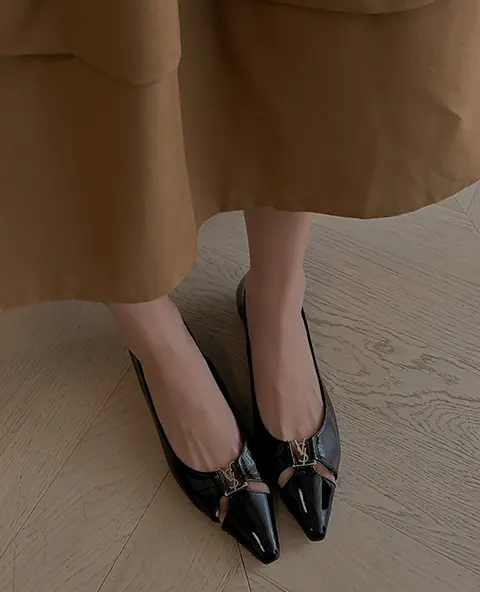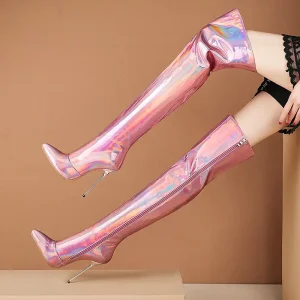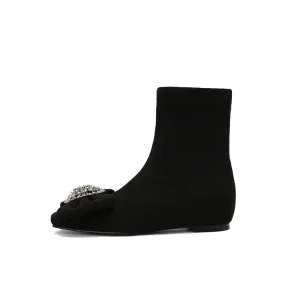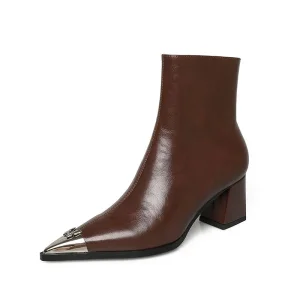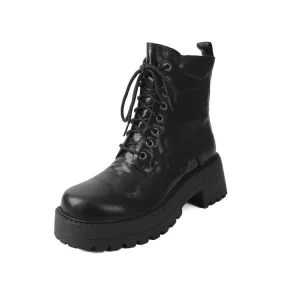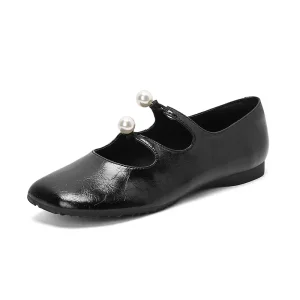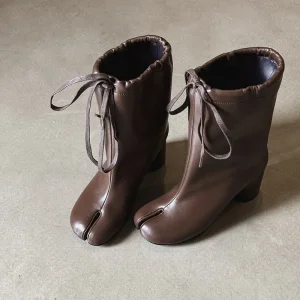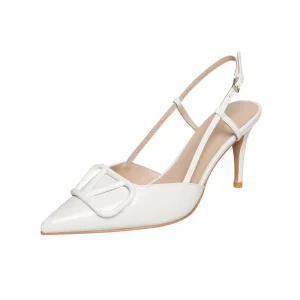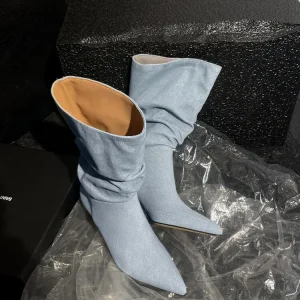
Explore our select range of hand-crafted leather footwear and advanced design prototypes conforming to strict industrial requirements.
The global demand for women’s professional black dress shoes has witnessed a significant shift from purely aesthetic design toward certified, multi-functional safety and ergonomic standards. In modern corporate, aviation, hospitality, and healthcare sectors, women are requiring footwear that matches high-end corporate dress codes while simultaneously fulfilling health, slip-resistance, and structural compliance regulations. This dual demand has transformed the manufacturing paradigm, forcing global companies to integrate rigorous testing criteria with traditional styling craftsmanship.
Statistically, the corporate footwear market is projected to reach several billion dollars over the next decade, with the European Union and North America representing the largest consumer regions. In these regions, stringent occupational health and safety regulations dictate that employers provide or enforce the use of certified footwear in designated professional environments. The CE Certification badge is no longer an optional marketing label; it is a vital passport for entering the European Economic Area (EEA) and acts as an international benchmark for structural reliability and mechanical integrity.
CE marking indicates that a product complies with the essential health, safety, and environmental protection requirements established by the European Union. In the context of women’s black dress shoes, this certification typically references directives under standard EN ISO 20347 (for occupational footwear without toe-impact protection) or EN ISO 20345 (for professional safety shoes with protective steel or composite toe-caps). Sourcing managers must understand these parameters to secure compliant inventory:
China remains the undisputed epicenter of global footwear manufacturing, particularly for high-quality genuine leather dress shoes. The efficiency of Chinese factories is not merely defined by low labor costs, but by a highly concentrated and synchronized supply chain cluster. In footwear hubs like Wenzhou, Chengdu, and Guangzhou, raw leather tanneries, sole makers, metal hardware designers, and certification laboratories sit in immediate proximity. This geographic density enables unprecedented responsiveness in product prototyping, mass-production scaling, and regulatory certification processing.
Modern Chinese footwear factories have transitioned into high-tech hubs utilizing computer-aided design (CAD) systems, automated CNC leather cutting tables, and automated stitching assemblies. These automation improvements guarantee that dimensions remain uniform across thousands of production pairs—a critical criteria for satisfying CE-conformity consistency tests. Sourcing companies gain massive financial and logistical leverage by utilizing this infrastructure, enabling them to compress development cycles from several months to a matter of weeks.
The deployment of CE-certified women’s dress black shoes varies considerably across global industries. Understanding these application scenarios helps procurement agents align their specifications with real-world requirements:
Corporate buyers navigating the complex footwear ecosystem must deploy systematic evaluation criteria when requesting quotes from manufacturing partners. Price-per-pair (FOB/CIF) is only one variable in the procurement equation. B2B buyers must prioritize:
Established in 1995, our factory has over 30 years of expertise in the design and production of high-quality genuine leather women’s shoes. With a strong reputation in the footwear industry, we are committed to delivering stylish, durable, and comfortable footwear that meets global market demands.
Our operation is rooted in the convergence of meticulously handcrafted luxury techniques and scalable industrial capacity. By integrating advanced production lines with a dedicated artisan workforce, we ensure that every single pair of shoes conforms perfectly to our clients' precise branding and technical specifications.
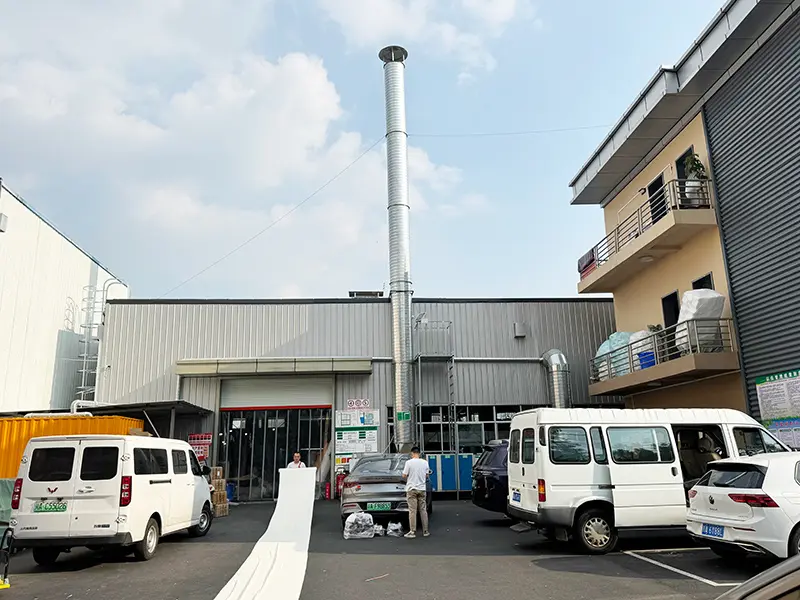
We specialize in providing customized OEM and ODM services to meet diverse client needs, transforming custom concepts into certified global products.
We support small and large orders, ensuring flexibility, speed, and strict quality control at every phase of footwear engineering.
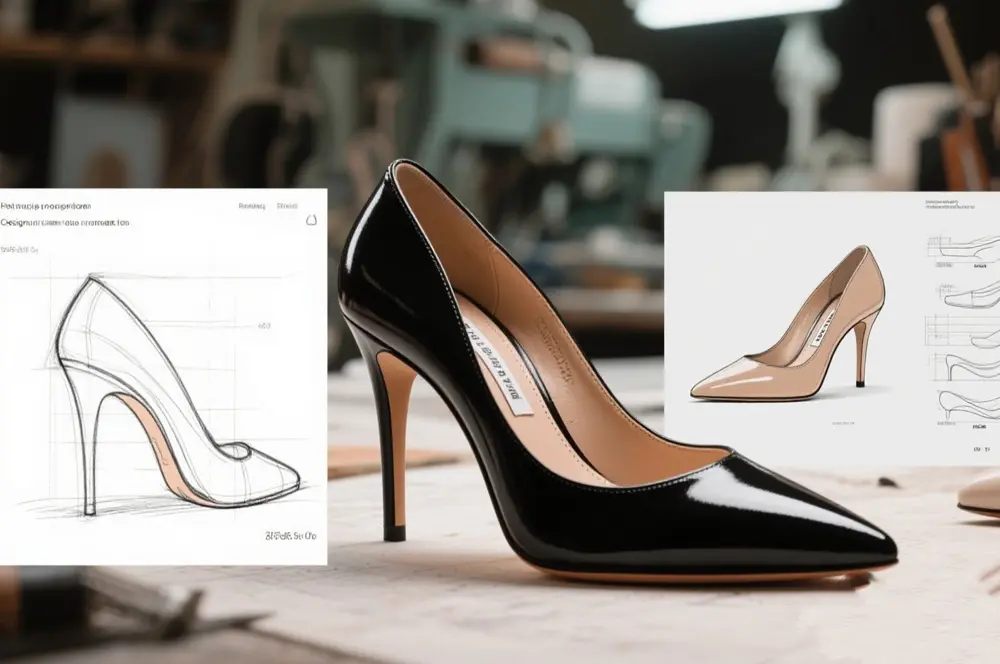
Our factory integrates state-of-the-art technological systems with meticulous craftsmanship to ensure superior product quality.
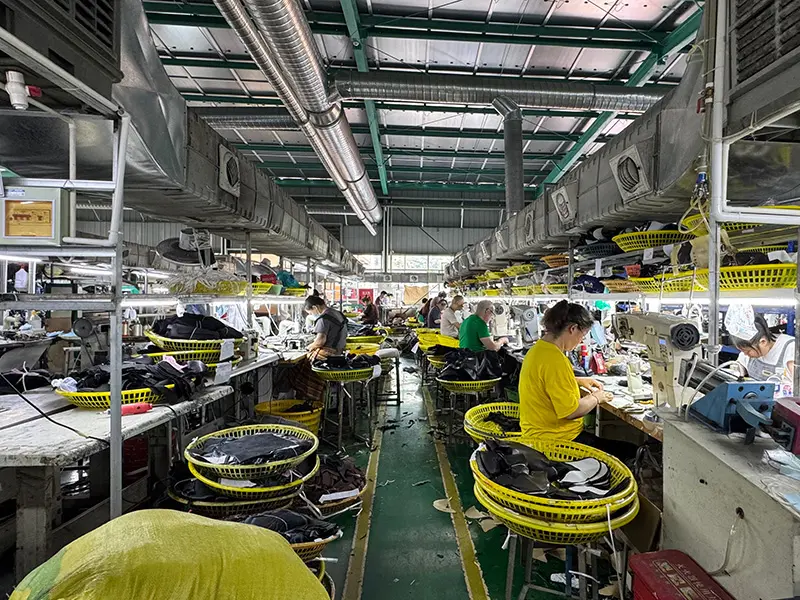
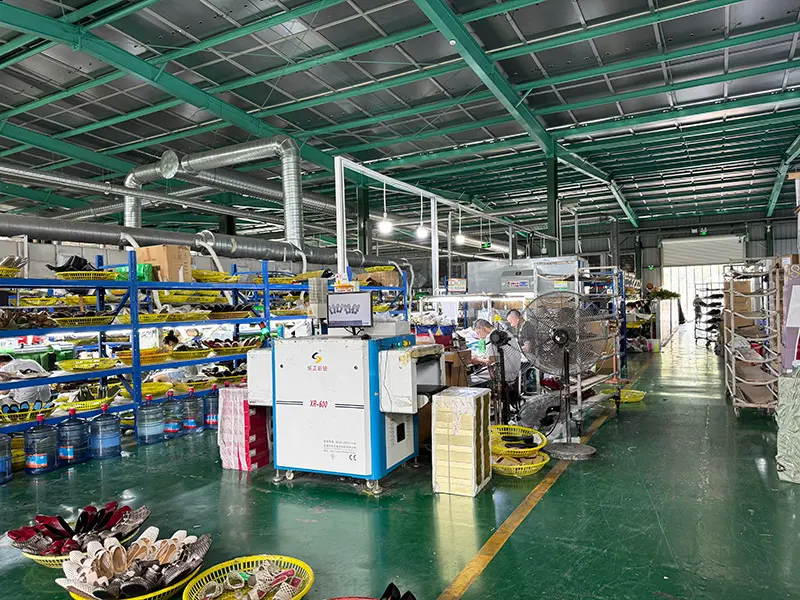
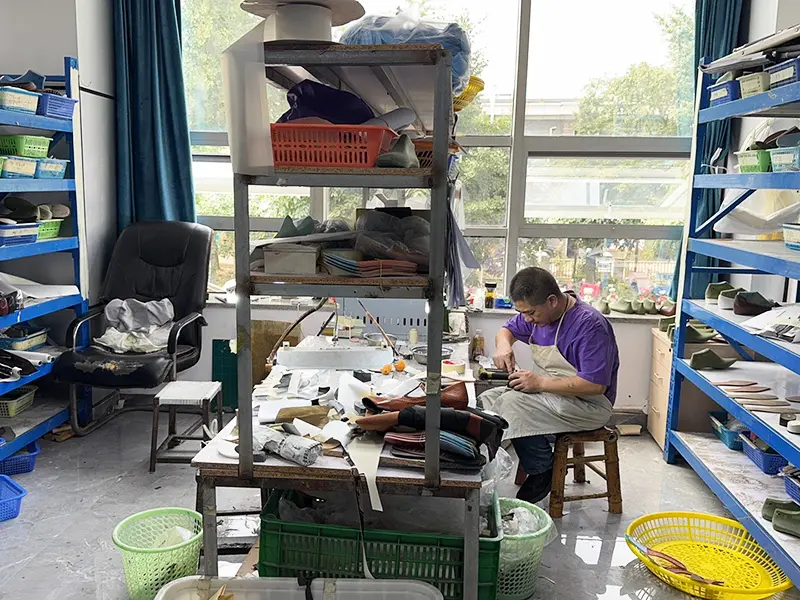

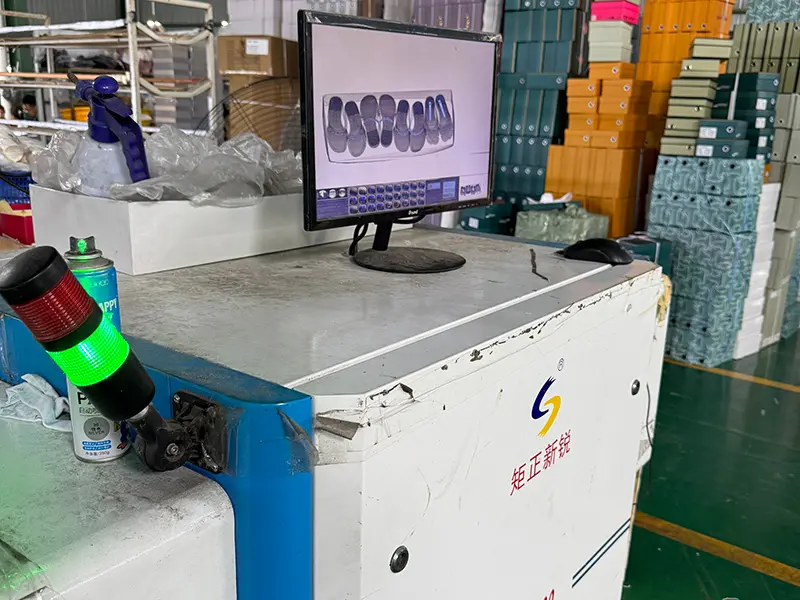
Deploying innovative design and strict structural processes, we guarantee excellence for high-volume orders.

● Meticulous handmade craftsmanship meets premium materials, ensuring unparalleled quality and durability.
● Rooted in Eastern philosophy (Qian Long—the Hidden Dragon), each pair embodies wisdom and understated elegance.

● 30 years of footwear mastery and 14 years of dedicated export experience to Europe and North America.
● Massive capacity: 10 advanced production lines with a monthly output of 300,000 pairs, backed by rigorous quality control.

● 30-pair MOQ (minimum order quantity), ideal for startups and established brands alike.
● End-to-end customization: From design to delivery, our R&D team tailors solutions to your market needs.

● Sustainable materials and ethical production processes, minimizing environmental impact.
● Compliant with international eco-standards, ensuring responsible luxury and long-term compliance with incoming global environmental directives.
As we project into the next decade, several key macroeconomic trends are reshaping how women’s professional black dress shoes are designed, certified, and procured. Sourcing managers must align their purchasing strategies with these emerging paradigms to capture value:
Continuous sitting-to-standing work patterns have stimulated research into adaptive foam densities. Manufacturers are beginning to incorporate multi-density polyurethane (PU) or thermoplastic rubber (TPR) outsoles. These smart outsoles respond to body temperature and pressure, shifting support points dynamically throughout the workday. Additionally, integrated non-invasive arch support systems are reducing plantar fasciitis issues among airline and hospitality personnel.
With environmental directives tightening in Europe and North America, buyers are actively seeking alternatives to classic calfskin. Innovations in bio-based polyurethane, pineapple fiber substrate, and recycled bonded leather are entering the premium dress market. These materials are treated with highly advanced coatings that replicate the breathability and strength of genuine leather, successfully meeting CE specifications for tear strength and moisture absorption.
To reduce waste and shorten lead times, cutting-edge factories are transitioning from physical samples to 3D CAD modeling and digital twin simulations. Procurement teams can evaluate the fit, crease resilience, and styling virtually before authorizing physical manufacturing runs. This digitizing drastically cuts raw material waste, contributing to a lower carbon footprint across the entire supply chain.
Technical, logistical, and safety certification insights answered directly by our lead production engineers.
Connect directly with our engineering division to receive tailored design specifications, material swatch boards, and detailed pricing proposals within 24 hours.
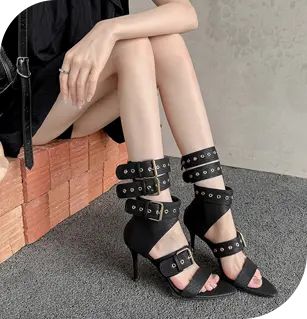
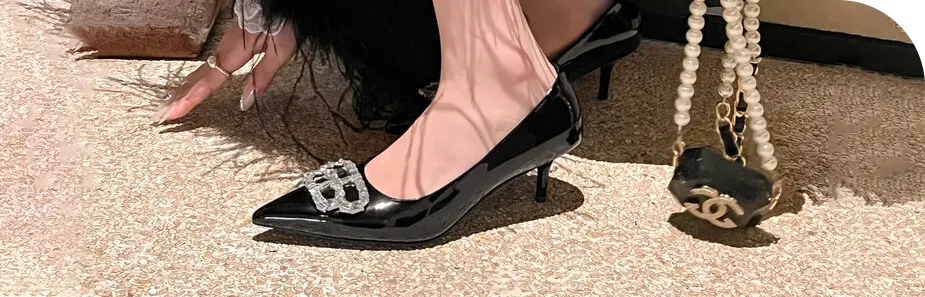
Please let us know your design requirements, estimated order volume, and desired safety parameters. Our commercial team will assist you immediately.
High-specification protective ankle boots, flats, and comfort wear built to demanding trade standards.