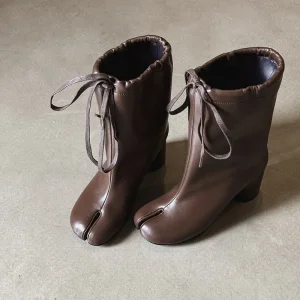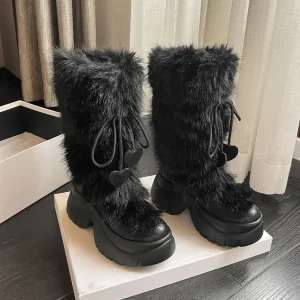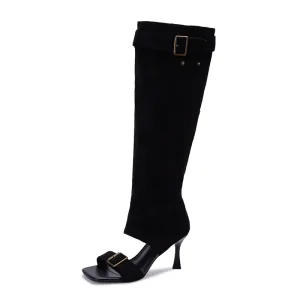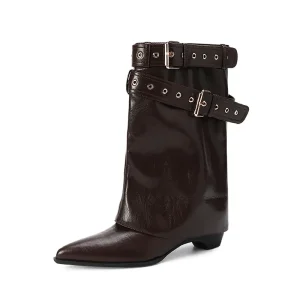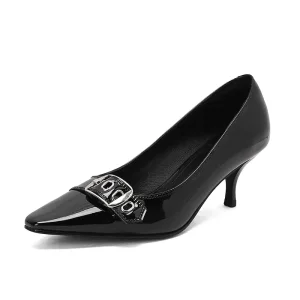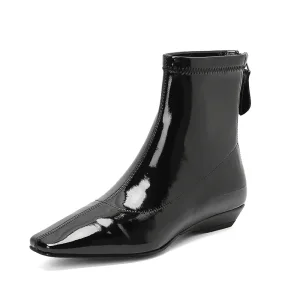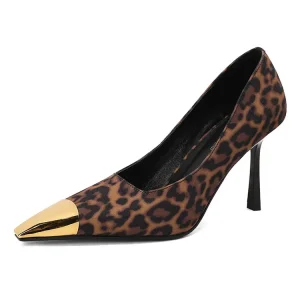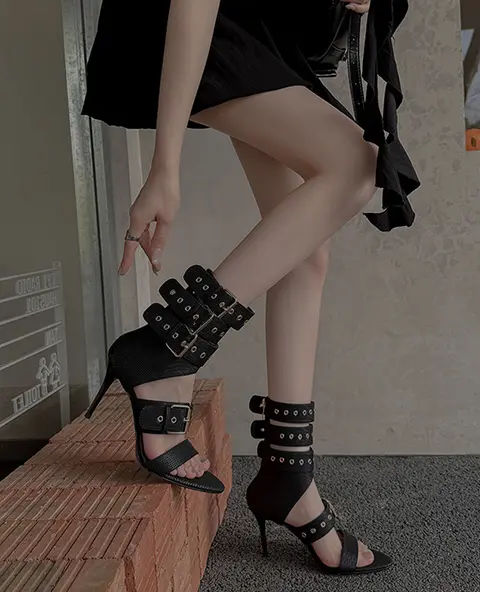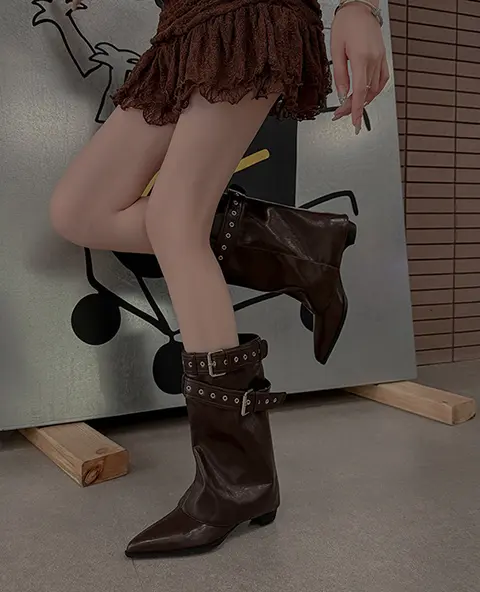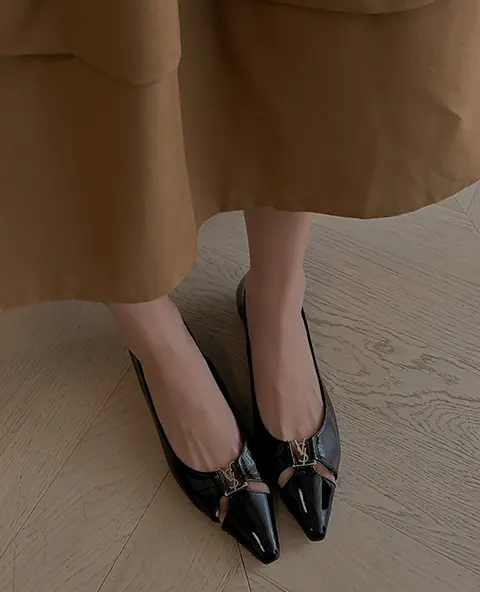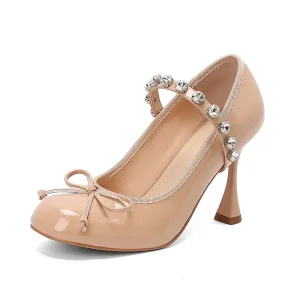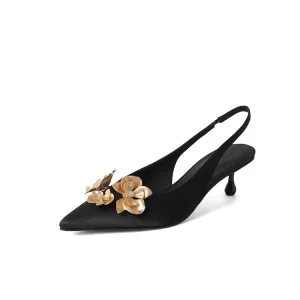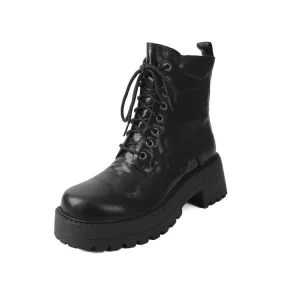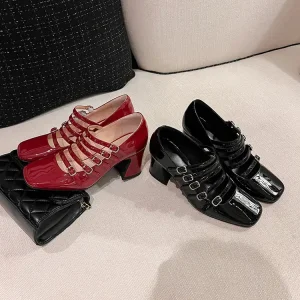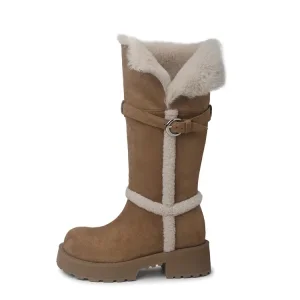
Discover our highly requested bespoke leather footwear models designed for global markets. Click below to request customized quotes.
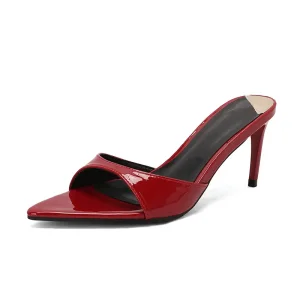
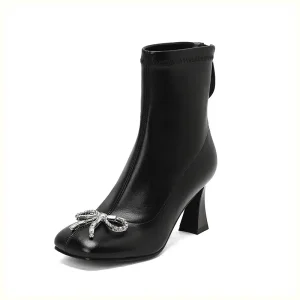
The global footwear market has underwent a major structural realignment over the last decade. Historically compartmentalized into utility-based seasonal categories, modern consumer paradigms have blurred the lines between high-end luxury comfort and functional loungewear. At the apex of this paradigm shift is the sheepskin sandal. B2B buyers looking to secure reliable sourcing channels are no longer just browsing for standard footwear; they are looking for materials that guarantee thermoregulation, skin comfort, and robust construction.
Sourcing teams must understand the exact raw material terminology to get accurate supplier quotes. The price variance of sheepskin sandals is largely driven by the grading of the raw pelts:
When requesting quotes, identifying these specifications determines the foundational cost metrics. High-performing suppliers utilize raw materials sourced from certified Australian or New Zealand farms, known for optimal fleece density (measured in wool fibers per square inch) and stable hide thickness.
Procuring sheepskin sandals on a global scale requires navigating complex international quality standards, chemical regulations, and logistical frameworks. European and North American buyers face strict compliance directives regarding consumer health and chemical exposure, notably under EU REACH regulations, California Proposition 65, and CPSIA guidelines. Partnering with a supplier that maintains pre-certified raw material chains is essential to avoiding costly customs holdups and consumer disputes.
Chrome-free tanning and heavy metal restrictions are standard requirements. Modern eco-tanneries utilize vegetable extracts and syntans to guarantee that leather components are free of hexavalent chromium (Cr VI) and formaldehyde, keeping them safe for direct skin contact.
Consumers demand ethical sourcing. Procurement departments are prioritizing suppliers whose supply chains are certified by the Leather Working Group (LWG) or possess certified non-mulesed wool origins, ensuring humanely treated livestock.
The modern retail market demands low Minimum Order Quantities (MOQs) for initial style test runs, coupled with rapid scaling capabilities. Suppliers offering MOQs as low as 30 pairs per style enable brands to launch capsule collections without heavy inventory risk.
The localized deployment of sheepskin sandals differs significantly across key regions, presenting distinct design and pricing opportunities:
Established in 1995, our factory has over 30 years of expertise in the design and production of high-quality genuine leather women's shoes.
With a strong reputation in the footwear industry, we are committed to delivering stylish, durable, and comfortable footwear that meets global market demands. Over the past three decades, we have continuously evolved from a traditional workshop into a high-tech manufacturing partner, merging heritage craftsmanship with modern data-driven production flows.
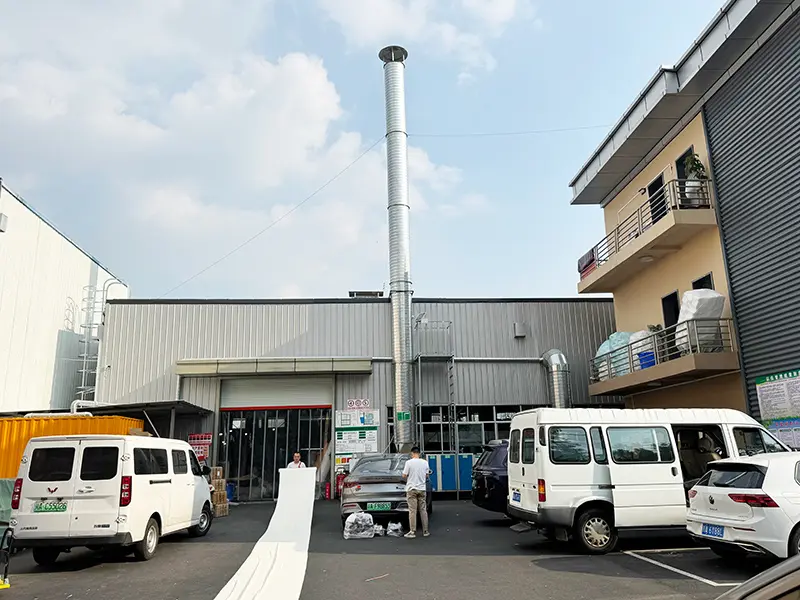
We specialize in providing customized OEM and ODM services to meet diverse client needs globally.
Global supply chains face regular geopolitical, economic, and logistical disruptions. Navigating these challenges requires partnering with a production facility that has evolved into a smart manufacturing hub. Under China's Factory 4.0 initiative, traditional leather footwear manufacturing is integrated with cloud-based PLM (Product Lifecycle Management), real-time logistics tracking, and automated material-cutting technologies.
For B2B buyers seeking quotes, this technological advantage translates directly into lower per-unit costs, reduced sample lead times, and predictable quality. By leveraging IoT-connected lasting machines and standardized production lines, our factory provides consistent manufacturing output that meets major global footwear standards.
We support small and large orders, ensuring flexibility and efficiency in production. Our 6-step customization workflow ensures your concepts are accurately realized.
We accept physical sample replication, reference pictures, detailed concept drawings, or comprehensive design tech packs specifying materials and target dimensions.
Our R&D department drafts precise digital blueprints, selects the correct shoe lasts, and builds initial mockups for structural evaluation.
The physical prototype is sent to the client for sizing, comfort, and aesthetic verification, with adjustments made prior to final production.
Upon approval, the design is introduced to our advanced production lines for leather cutting, lasting, sole attaching, and stitching.
Every pair passes through a rigorous quality control check for stitching alignment, sole bonding strength, and clean packaging.
We coordinate sea, air, or rail freight, managing custom declarations to ensure your order arrives safely at your warehouse.
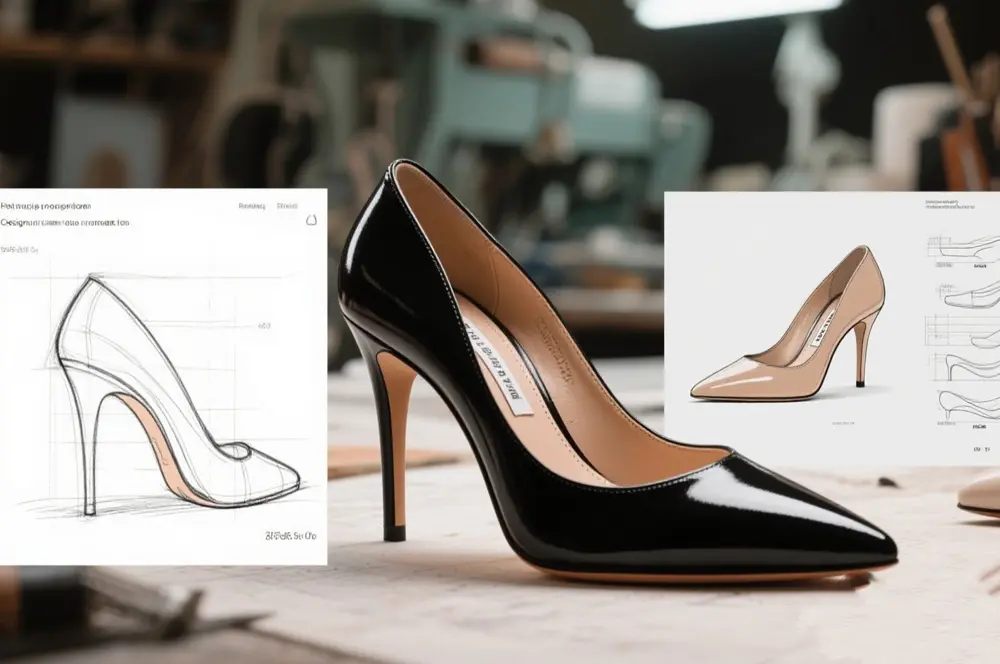
Our factory integrates advanced manufacturing technology with meticulous craftsmanship to ensure superior product quality.
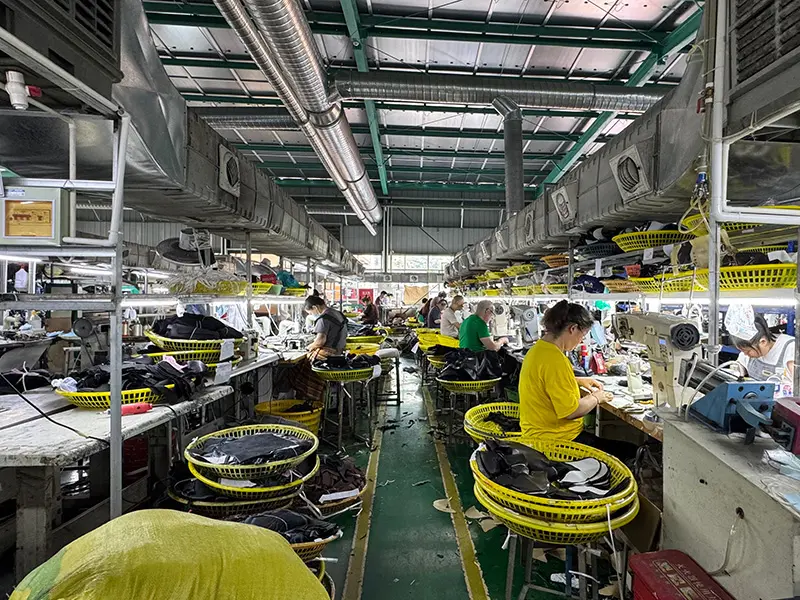
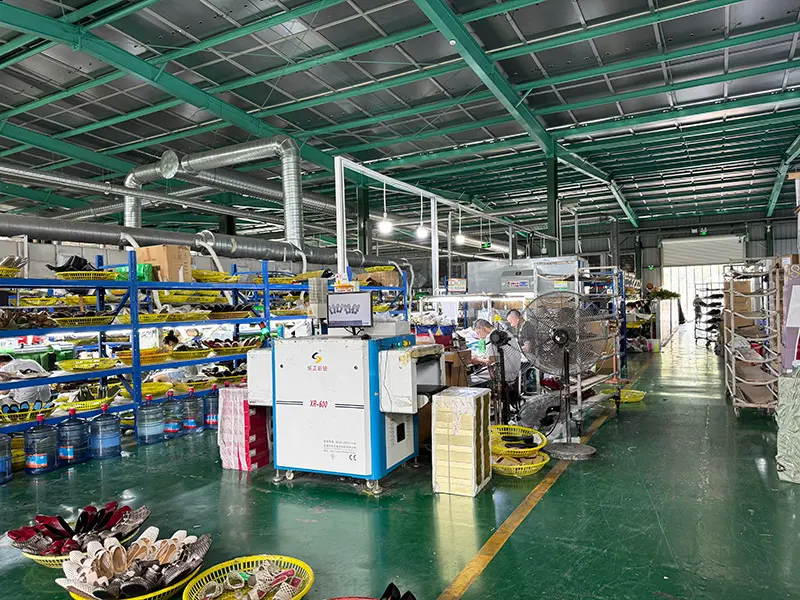
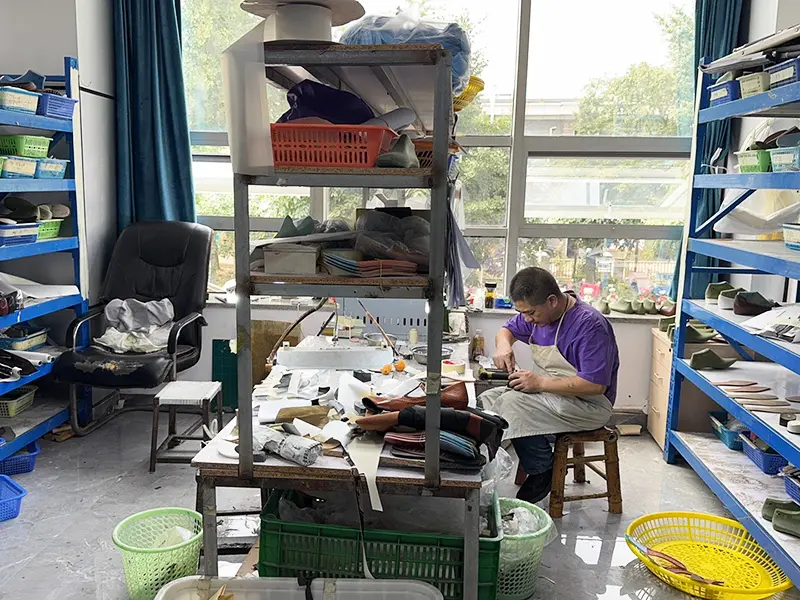

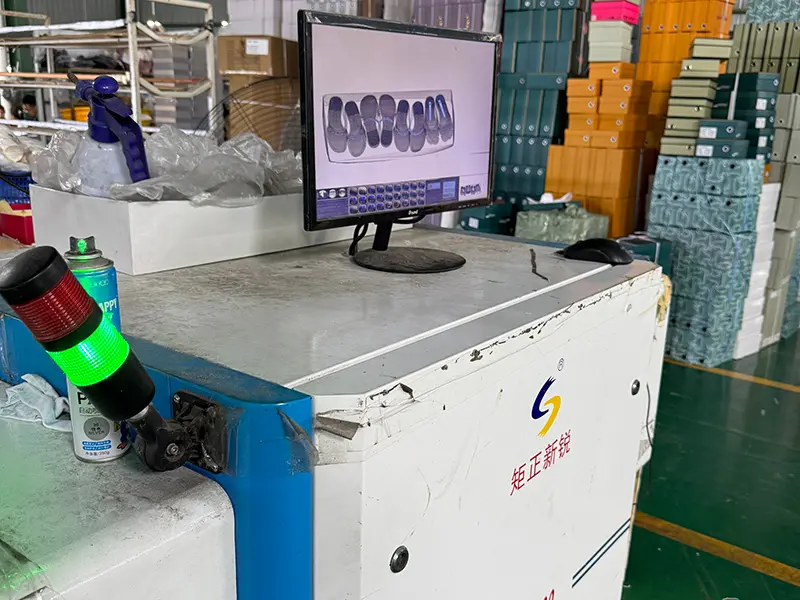
Aligning luxury craftsmanship with high-throughput capabilities to serve leading global footwear brands.

Meticulous handmade craftsmanship meets premium materials, ensuring durability. Rooted in Eastern philosophy, each pair embodies wisdom and understated elegance.

30 years of footwear mastery and 14 years of export experience. Equipped with 10 production lines yielding a monthly output of 300,000 pairs.

Flexible MOQs down to 30 pairs per style. This provides small brands and global enterprises alike with customized design and rapid sampling workflows.

Compliant with international ecological standards, we prioritize sustainable tanning and low-impact adhesives to guarantee responsible luxury.
High-quality sheepskin sandals are built from the bottom up. While the shearling lining provides tactile comfort, structural stability relies on the outsole, midsole, and last shape. When evaluating supplier quotes, procurement officers should check the following material specifications:
Depending on the style of the sandal, different sole materials should be selected to match customer requirements:
By specifying these construction requirements, buyers ensure the longevity of their custom footwear lines, reducing return rates and building brand trust.
Expert technical insights to help B2B buyers navigate material options, custom styling, and global distribution.
Partner with us to gain access to exclusive seasonal design catalogs and priority sampling schedules.
APPLY NOW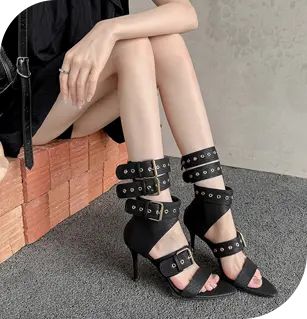
Please submit your specifications or target designs. Our R&D and pricing team will contact you with a customized quote within 24 hours.
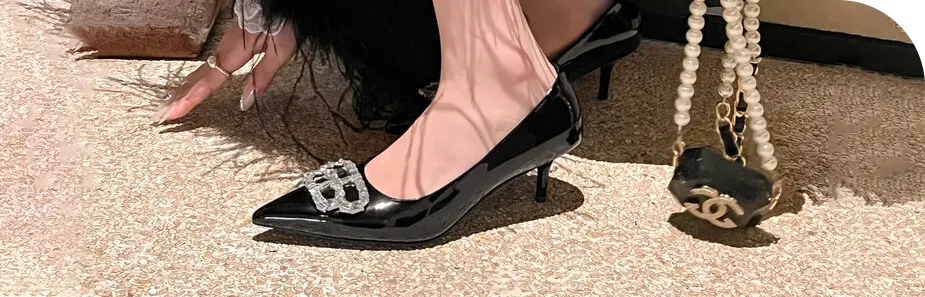
Inquiry NowExplore additional boot, pump, and sandal styles available for custom bulk manufacturing and private labeling.