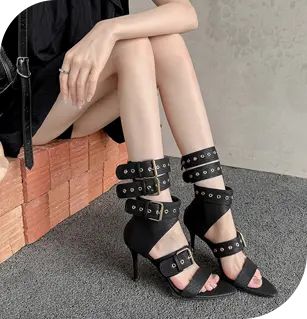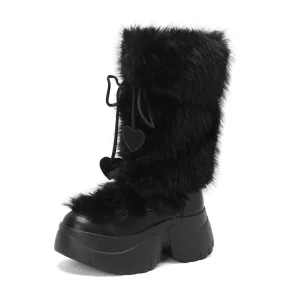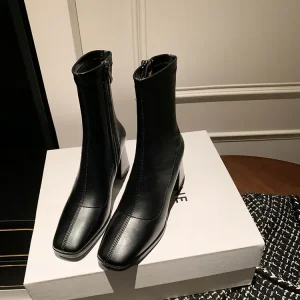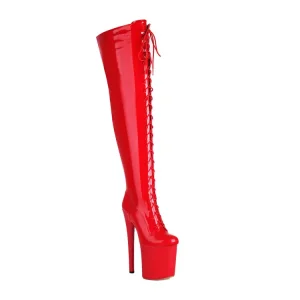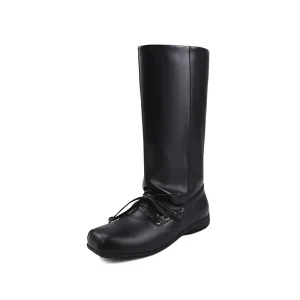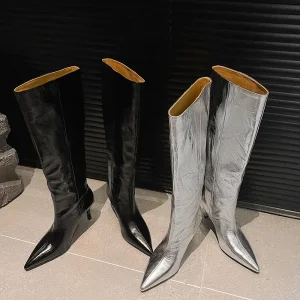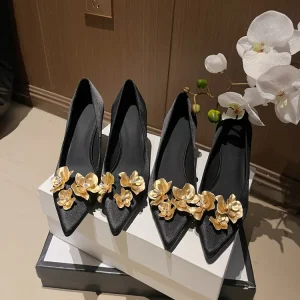
Explore our elite range of custom engineered boots, heels, and classic dress designs built for global commercial markets.
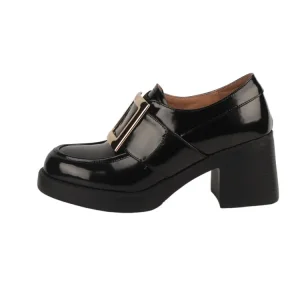
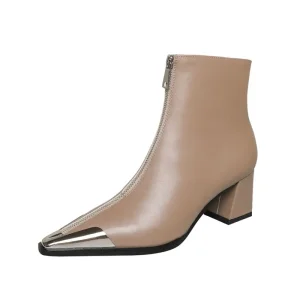
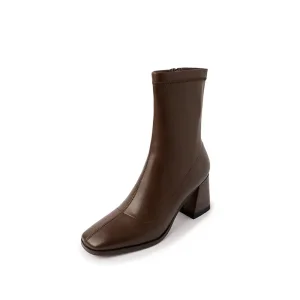
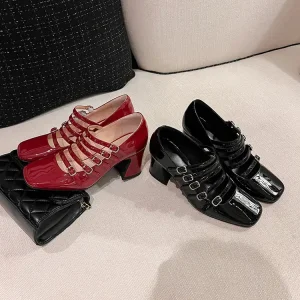
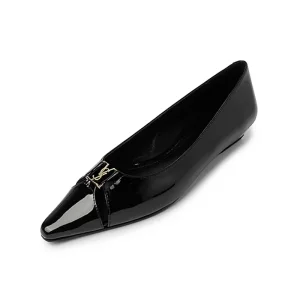
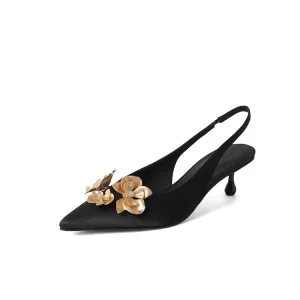
Analysis of technical shoe architecture, sustainable sourcing protocols, and OEM/ODM mass production strategies for modern enterprises.
The global footwear market, especially the premium boots segment, is currently experiencing a massive structural realignment. Changes in international logistics, consumer demand for transparent manufacturing, and strict eco-compliance standards have shifted how sourcing executives assess their partnerships. A reliable footwear manufacturer is no longer just a physical production factory; they must act as an integrated solutions partner capable of handling engineering challenges, sustainable material sourcing, and end-to-end design logistics.
As retail models transition from seasonal pushes to highly agile, demand-driven systems, the footwear supply chain must respond in kind. Today’s commercial boots market requires a delicate balance of fashion-forward design, structural durability, and high throughput capability. For instance, classic boots, weather-resistant snow boots, and high-fashion stiletto options now require specialized design tolerances and advanced materials to withstand different stresses while ensuring comfort.
Additionally, modern logistics demand that boots suppliers maintain high levels of technological adaptability. From using virtual CAD prototyping to shorten lead times to implementing flexible manufacturing systems, top-tier factories utilize automated processes to remain competitive. Global regulatory frameworks, such as the EU’s Green Deal and CE certification processes, also require meticulous testing for heavy metals and hazardous VOCs during tanning, making chemical management a key element of modern footwear engineering.
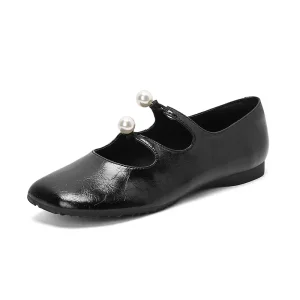
At the center of any premium boot is material integrity. Sourcing high-grade cowhide, patent leather, and suede requires deep working relationships with certified tanneries. The select leathers used in our platform Mary Jane pumps and western metal toe boots must undergo comprehensive testing to confirm high tensile strength, colorfastness, and water-resistance.
Patent leather, characterized by its high-gloss finish, requires a specialized polyurethane coating application that remains flexible at sub-zero temperatures to avoid surface cracking. In contrast, heavy-duty nubuck and suede used in winterized models like custom platform snow boots undergo specialized hydrophobic treatments, letting the fibers repel moisture while maintaining breathability. These technical properties are crucial for brands looking to decrease return rates and build consumer trust.
Established in 1995, our factory leverages over 30 years of dedicated footwear engineering experience to support partners with comprehensive OEM and ODM solutions. We provide high design flexibility, allowing our partners to start with a minimum order quantity (MOQ) of just 30 pairs per style. This low MOQ helps startups and established fashion labels test new designs without facing massive upfront financial risks.
Our infrastructure includes 10 modernized assembly lines, employing over 100 experienced technicians, pattern makers, and quality control inspectors. With a consistent monthly production capacity of 300,000 pairs, we can scale operations up or down to meet shifting seasonal demand. This scalability ensures high-quality execution, whether you are launching small-batch high-fashion lines or running high-volume commercial campaigns.
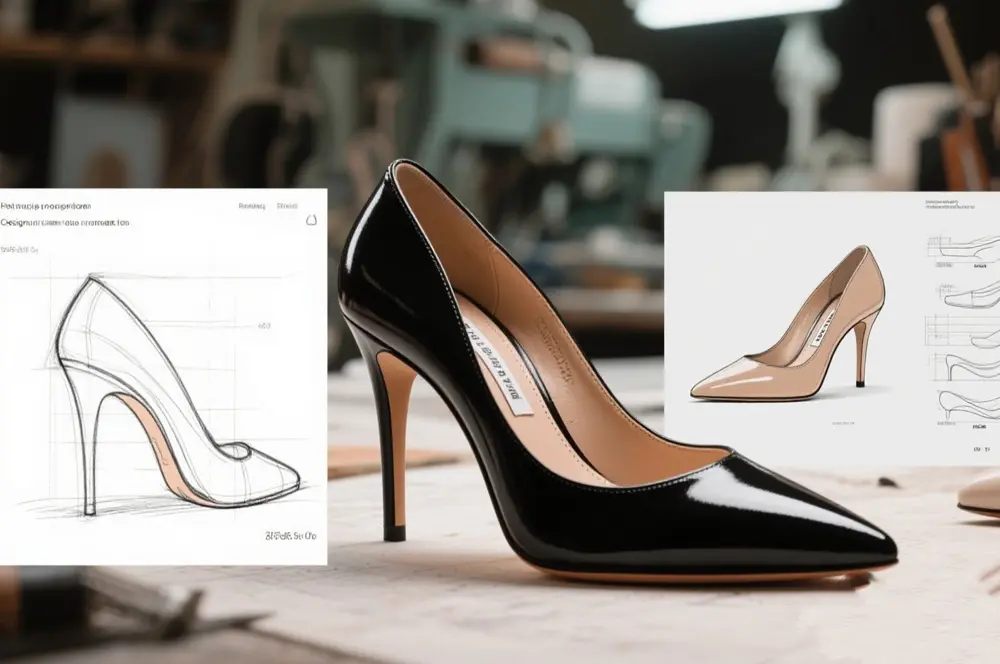
To keep bulk production running smoothly and on schedule, our engineering team follows a systematic six-step pipeline from product conceptualization to final delivery:
Our process begins with your design parameters. We work with physical sample shoes, detailed concept sketches, reference images, or standard technical specification packages.
Our R&D team selects the appropriate lasts, patterns, and materials to build an initial physical sample that matches your design and fit requirements.
We send the prototype to your team for evaluation, wear-testing, and fitting adjustments. We adjust the patterns until the prototype receives formal approval.
Once approved, the shoe patterns are graded across all required sizes. The designs then move to our 10 production lines for cutting, lasting, and assembly.
Our QC team inspects every pair of shoes for stitching precision, lasting alignment, and sole adhesion. Checked products are then carefully packaged to prevent damage during transit.
We coordinate sea, air, or express shipping, handling customs documentation to ensure smooth delivery to your distribution hubs.
Operating a global supply chain requires meeting strict international environmental standards. Our factory actively implements sustainable manufacturing protocols, including reducing chemical waste and sourcing materials from certified suppliers. We source premium leathers from tanneries that use water-recycling systems and avoid hazardous heavy metals like Hexavalent Chromium.
For brands importing into the European Union and North America, we verify that our shoe adhesives and lining materials comply with local REACH regulations. This thorough compliance minimizes customs delays and protects your brand from product liability issues. Our focus on sustainability helps partners appeal to eco-conscious consumers without sacrificing product performance or durability.
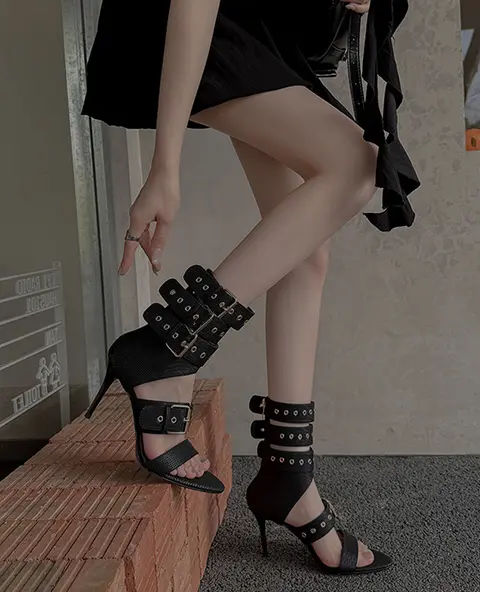
Industrial design requirements vary significantly across different market segments. Our product range reflects this diversity, with styles optimized for specific usage cases:
We combine traditional handcrafting techniques with automated production processes. Every pair of shoes is lasted over precision molds, ensuring consistent sizing and a comfortable fit across production runs. We also use computerized cutting machines to minimize material waste and maintain clean edges on premium leathers.
Our quality checks include testing sole bonding strength, flexing endurance, and abrasion resistance. These steps ensure our boots hold up under daily use, helping you build a reputation for quality with your customers.
Our long-term goals focus on integrating digital technology and eco-friendly materials into our production lines. Over the next five years, we plan to expand our use of biodegradable outsoles and recycled textiles. We are also exploring the use of recycled TPU compounds to provide comparable performance to standard synthetics with a smaller carbon footprint.
Additionally, we are updating our facilities with smart factory technology. By integrating IoT monitoring into our assembly lines, we can track production metrics in real time. This technical data helps us optimize resource use, reduce waste, and provide partners with highly accurate delivery schedules.
Why global brands select us as their long-term boots and footwear manufacturing partner.
Our experienced craftsmen combine traditional leather working techniques with premium materials to deliver durable, well-finished products.
We support agile inventory management by offering low minimum orders, helping your brand minimize inventory risk when launching new styles.
Equipped with 10 production lines and a monthly capacity of 300,000 pairs, we can handle quick-turn restocking orders and major seasonal releases.
We use sustainable materials and compliant manufacturing processes to help you meet local environmental regulations.
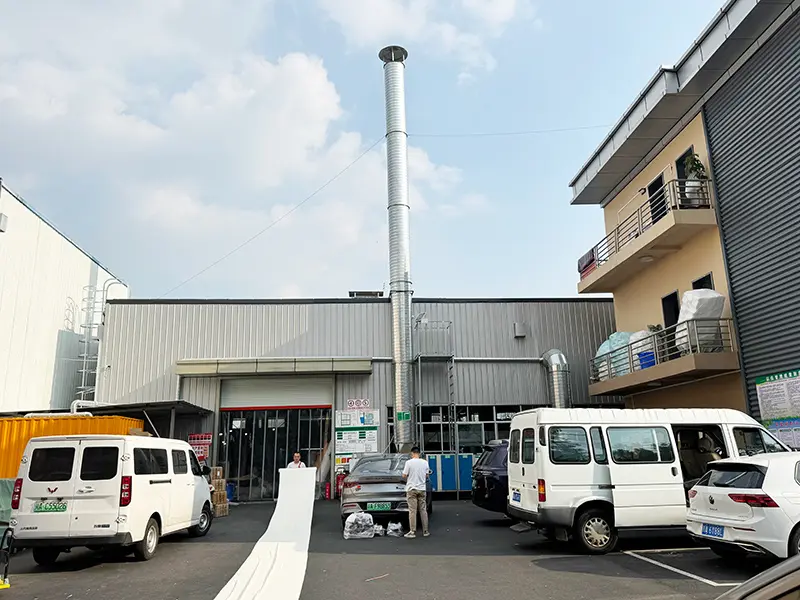
A look inside our manufacturing facility, showing where our development and lasting processes take place.
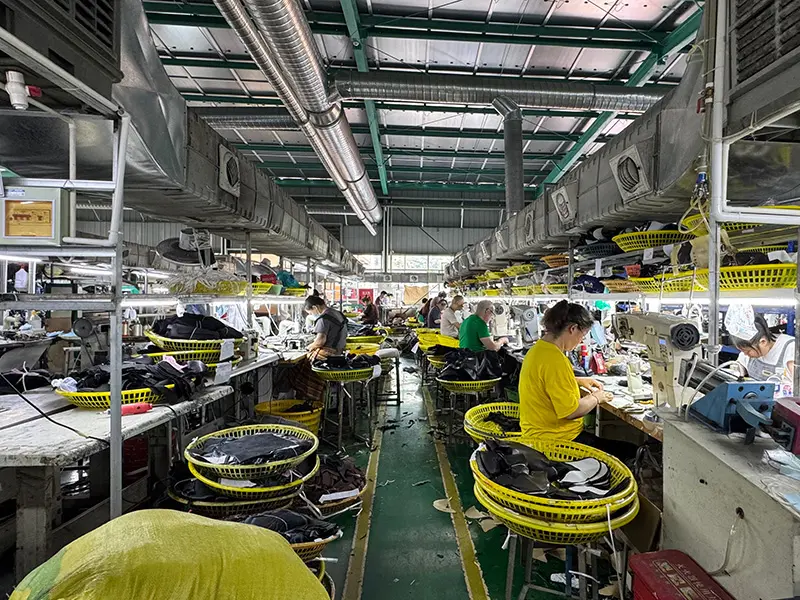
10 active lines configured for both high-volume orders and customized small runs.
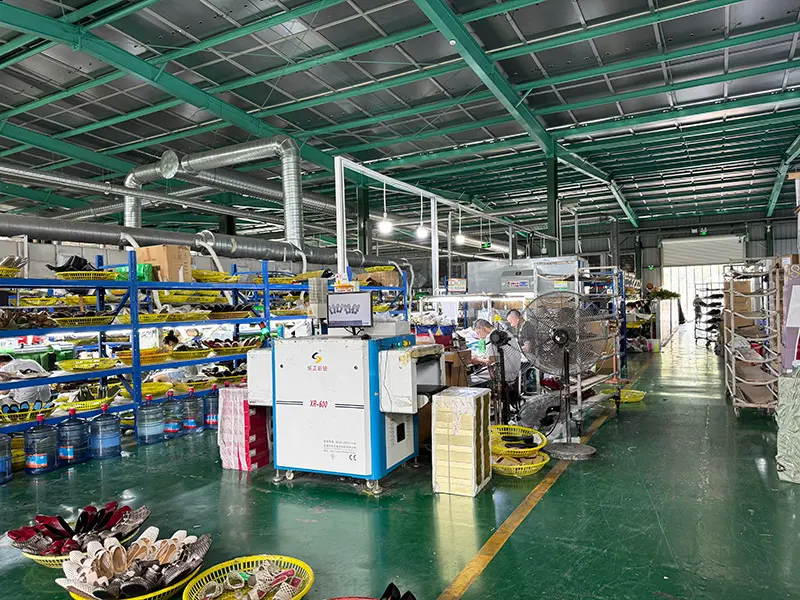
In-line checks for stitching accuracy, sole bonding strength, and overall finish.
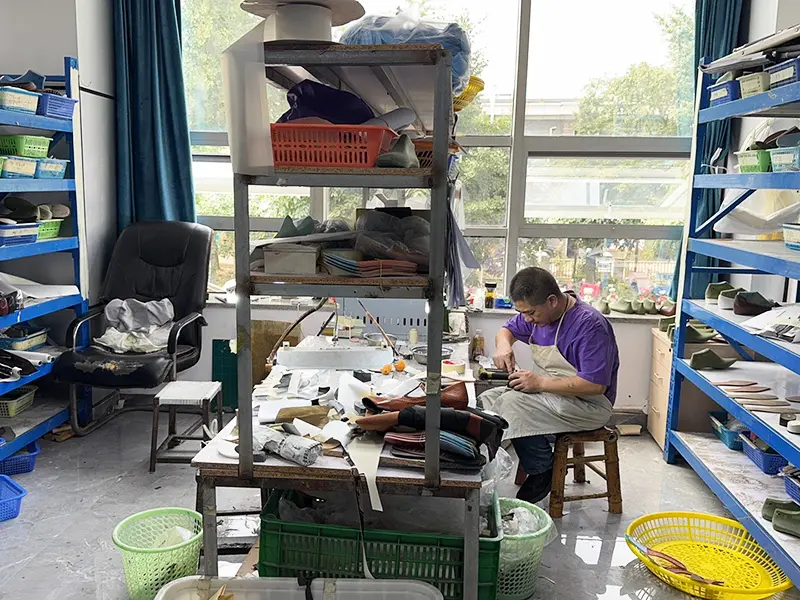
Where design files and specifications are translated into production-ready lasts.
Answers to common questions about our capabilities, timelines, materials, and customization processes.
Our standard MOQ is 30 pairs per style. This flexible minimum allows brands to test new footwear designs in their target markets before investing in larger production runs.
We source our raw leathers and synthetic components from audited, LWG-certified tanneries. We conduct regular chemical tests to ensure our products do not contain restricted substances, making them compliant with EU and US import regulations.
Sample development usually takes 7 to 14 days once we confirm the design specifications. Bulk production ranges from 30 to 45 days, depending on order size and material availability.
Yes. We provide complete customization services, including custom branding, debossed logos, custom insoles, and retail packaging designed to your specifications.
We use a three-stage QC process: inspecting raw materials upon arrival, checking assembly on the production line, and conducting a final review of the finished shoes before packing.
Yes. We can create patterns and prototypes based on physical sample shoes, design sketches, reference photos, or detailed technical specification sheets.
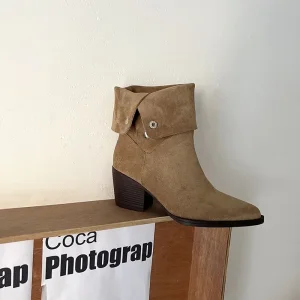
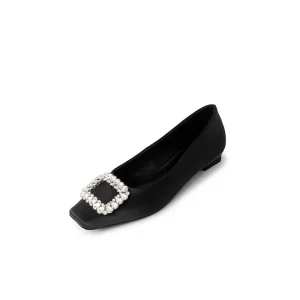
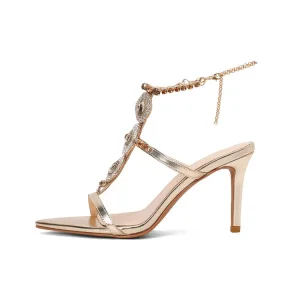
Our high-heeled boots, platform options, and classic flat shoes designed for global distribution.
Connect with our engineering team to discuss material sourcing, custom sizing, pattern design, and bulk pricing. We respond to all inquiries within 24 hours.
Apply to become a registered distributor and gain access to custom pricing, direct R&D design files, and priority shipping schedules.