
What Are the Top Shoes With Heels Women Prefer?

Time:2026-09-17 Author:Sophia
0%

Shoes With Heels Women remain a visible part of modern fashion, workplace dressing, and personal style. Yet preference is changing. Many women now want height without sacrificing stability, comfort, or daily movement. Grand View Research valued the global footwear market at approximately $462.9 billion in 2023. Its forecast also suggests continued growth through 2030. That figure covers all footwear, not heels alone. Still, it shows the commercial strength of shoe choices worldwide. The market is broad, but the customer’s decision is often personal.

Health concerns also shape purchasing behavior. The American Podiatric Medical Association reported that 71% of women experience pain when wearing high heels. A pointed toe, narrow strap, or unstable heel can turn a polished outfit into an uncomfortable commute. Shoe designer Christian Louboutin once observed, “A shoe has so much more to offer than just to walk.” His statement reflects the emotional value of heels, including confidence, identity, and visual impact. However, style should not erase practical needs. A beautiful shoe can still fail after thirty minutes on hard pavement. The evidence is useful, but not perfect. Surveys may capture pain, while overlooking income, culture, occupation, and individual foot shape. This introduction will examine the top Shoes With Heels Women prefer, comparing heel height, materials, fit, comfort technology, and occasion-based design. Real-world experience matters here. The best pair is not always the most dramatic one. Sometimes, it is the pair that survives a full day.
What Are the Top Shoes With Heels Women Prefer?

Types of Heeled Shoes Women Commonly Prefer

What Are the Top Shoes With Heels Women Prefer?

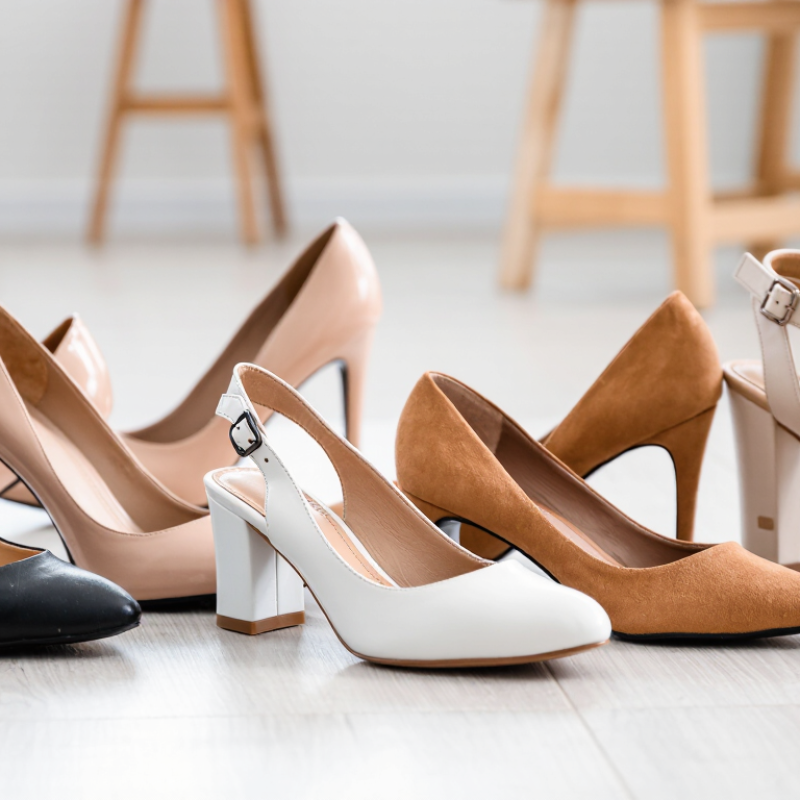
Women commonly prefer pumps for their clean shape and flexible styling. A medium heel often feels more manageable than a very high heel. A rounded or almond-shaped toe can reduce pressure on the forefoot. The best fit leaves slight space in front of the longest toe. It should also hold the heel without slipping.

Small details matter.

Block-heeled shoes are popular for workdays, dinners, and long social events. Their wider heel offers more stability on hard floors. Wedges provide similar support, especially during outdoor gatherings or travel. However, a wedge can still feel heavy after several hours.

Slingback heels allow airflow and a lighter appearance. Their rear strap needs firm adjustment, not painful tightness.

Kitten heels suit women who want a modest lift and easier walking. Heeled ankle boots add warmth, structure, and useful support in cooler weather. Strappy heeled sandals work well in warm settings, but thin straps may rub sensitive skin. Soft lining and cushioned insoles can improve comfort.

Still, comfort is personal. Some stylish shoes feel fine briefly, then become difficult by evening. That is an easy mistake to make. Trying shoes on later in the day can reveal swelling and pressure points.

A stable heel, secure fit, and natural walking pattern usually matter more than height alone.

Key Features That Influence Women’s Heel Preferences

What Are the Top Shoes With Heels Women Prefer?

Women often choose heels based on comfort, stability, and daily purpose. A manageable heel height can reduce pressure on the forefoot and lower back. Many prefer block heels because they provide a wider, steadier base. Low kitten heels suit office settings and shorter events. Platform designs may add height while reducing the foot’s downward angle. However, extra height does not always mean better comfort.

Fit remains a decisive feature. A rounded or almond-shaped toe box gives toes more room to move. Cushioned insoles can soften impact on hard floors. Adjustable straps help secure the heel without creating painful pressure. Breathable materials may also reduce heat during long wear. Foot-health professionals commonly recommend trying shoes later in the day, when feet are slightly swollen. This small detail matters.

Practical testing reveals more than appearance. Walk across a firm floor, climb a few steps, and check for slipping. The heel should feel supported, not trapped. I once underestimated how quickly a narrow toe box could cause discomfort. That mistake changed how I judge elegant shoes. Some women still accept mild discomfort for a special occasion. That choice is understandable, but it deserves honest limits. A beautiful heel becomes less appealing when every step requires concentration. Personal preference also depends on arch shape, balance, lifestyle, and previous foot problems. No single style works for everyone.

Best Heels for Work, Formal Events, and Everyday Wear

For work, women often prefer closed-toe pumps with moderate block heels. They provide steadier support during meetings, commutes, and long hours standing. A heel between two and three inches usually feels polished without demanding constant balance. Look for cushioned insoles, firm heel counters, and enough room across the toes. Your feet should not feel trapped.

Formal events call for more refined shapes. Slim pumps, slingbacks, and low stilettos can complement dresses and tailored suits. However, a thinner heel may become uncomfortable on hard floors or uneven paths. Test the shoes indoors before the event. Walk, turn, and sit in them. Small details matter, especially after several hours.

For everyday wear, kitten heels and supportive wedges offer an easier rhythm. They work with trousers, skirts, and casual dresses without looking overly delicate. I have found that soft leather or flexible fabric reduces rubbing, though no material prevents every blister. Heel height is personal, not a measure of elegance. Some women choose beautifully designed shoes that still hurt, and that is worth reconsidering. A secure strap, breathable lining, and stable sole often matter more than dramatic height. Fit changes during the day, so shop when your feet are slightly tired.

What Are the Top Shoes With Heels Women Prefer?

Pump-style heels are commonly selected for formal occasions, block heels offer practical stability for work, and low wedges are often preferred for everyday wear. The figures show a comparative preference index by occasion rather than sales data or brand performance.

How Heel Height, Fit, and Comfort Affect Shoe Choice

What Are the Top Shoes With Heels Women Prefer?

Women often prefer shoes that balance a polished shape with reliable comfort. Low block heels, kitten heels, and supportive wedges remain practical choices. Their wider bases reduce side-to-side movement. They also feel steadier on hard floors. Heel height matters, but personal walking habits matter too. A 2014 American Podiatric Medical Association survey found that 71% of women reported foot pain. Yet 42% continued wearing painful shoes. That finding challenges the idea that appearance should lead every purchase.

Fit can change the experience more than style. The toe box should allow natural toe movement without sliding forward. The heel counter should hold the foot gently, not scrape it. A 2016 review in BMC Public Health associated higher heels with greater pressure on the forefoot and altered walking mechanics. I have found that a beautiful pair can still fail after twenty minutes. Small discomfort becomes obvious on stairs, pavement, and crowded commutes. Shoe choice is rarely perfect.

Tips: Measure both feet late in the day, when swelling is more likely. Try shoes with the socks or hosiery you usually wear. Walk for several minutes on a firm surface. Check whether your toes grip the insole. For regular use, choose a stable heel under five centimeters and a cushioned, flexible sole. Save taller heels for shorter occasions. Even this rule is imperfect; some feet need more support, while others dislike soft cushioning. A podiatrist can assess recurring pain, uneven wear, or numbness.

Tips for Choosing Heeled Shoes for Different Occasions

Choosing heeled shoes well begins with the occasion, not the photograph. For commuting or office days, try a stable block heel between 3 and 5 centimeters. It distributes pressure better than a narrow heel. A rounded toe box also leaves room for natural toe movement. The American Podiatric Medical Association’s 2014 national survey found that 71% of women who wear high heels reported foot pain. That figure makes comfort a practical requirement, not a luxury.

For weddings, interviews, or formal dinners, a medium-height pump can look polished without forcing extreme balance. Choose a secure heel counter and adjustable straps, especially when standing for hours. For outdoor events, avoid thin heels that sink into grass or catch between pavement gaps. A wedge or broader heel usually offers steadier contact. Check the shoes late in the day, when feet are slightly swollen. If your toes touch the front, the shoes are too short.

Do a short walking test.

The American Academy of Orthopaedic Surgeons warns that high heels increase pressure on the forefoot and can affect balance. Therefore, save higher heels for shorter events, and carry comfortable flats for the journey home. I sometimes judge a pair by its appearance first, which is a poor habit. A beautiful shoe can still create rubbing, numbness, or aching after twenty minutes. Walk, turn, and stand before buying. Small discomfort rarely becomes smaller.

FAQS

What heel style works best for office days?

Closed-toe pumps with moderate block heels offer steady support. A two-to-three-inch heel often feels polished and manageable. Cushioned insoles help during commutes and long meetings. Your feet should not feel trapped.

Which heels suit formal events?

Slim pumps, slingbacks, and low stilettos pair well with dresses and tailored suits. Test them indoors before the event. Walk, turn, and sit. Hard floors may expose problems quickly.

Are wedges suitable for outdoor occasions?

Wedges provide broader contact with the ground. They work better on grass, pavement, and uneven paths. Thin heels can sink or catch between gaps. Outdoor comfort matters more than delicate appearance.

How should high heels fit?

The toe box should allow natural movement. Your heel should stay secure without scraping. If your toes touch the front, the shoes are too short. Small discomfort rarely improves.

When should I shop for heeled shoes?

Shop late in the day, when your feet are slightly swollen. Measure both feet. Try your usual socks or hosiery. Fit can change by evening.

What heel height is practical for regular wear?

A stable heel under five centimeters often suits regular use. Kitten heels and low wedges can feel easier. Still, this rule is imperfect. Some feet dislike soft cushioning.

How can I test shoes before buying?

Walk on a firm surface for several minutes. Turn, stand, and climb a few steps. Check whether your toes grip the insole. Twenty minutes may reveal rubbing or numbness.

Should I carry spare flats with taller heels?

Yes, especially for weddings, dinners, and long formal events. Wear the taller heels briefly. Use comfortable flats during travel or the journey home. Practical, not glamorous.

Does a higher heel look more elegant?

Not necessarily. Heel height is personal, not a measure of elegance. A secure strap, breathable lining, and stable sole may matter more. I sometimes judge shoes by appearance first. That habit needs reconsidering.

Conclusion

Shoes With Heels Women prefer can vary according to personal style, comfort needs, and the occasion. Popular options include classic pumps, block heels, wedges, kitten heels, slingbacks, and heeled boots. Each style offers a different balance of elegance, stability, and versatility. Important features include supportive construction, a comfortable toe area, secure fastening, quality materials, and a heel design that makes walking easier. These details can greatly influence whether a pair feels suitable for long hours or occasional wear.

For work, moderate block heels or simple pumps can create a polished appearance while providing dependable comfort. Formal events may call for refined stilettos, elegant sandals, or sleek ankle-strap heels, whereas everyday outfits often pair well with wedges, low heels, or casual boots. Heel height, accurate fit, cushioning, and sufficient arch support should always be considered. Choosing a style that matches the event, outfit, walking conditions, and personal comfort level can help women enjoy both confidence and practicality.

Sophia

Sophia

Sophia is a dedicated marketing professional with an exceptional depth of knowledge about her company's products and services. With a keen understanding of market trends and customer needs, she crafts insightful blog posts that not only inform but also engage readers, enriching the company’s online......