
Top 10 Highest Stiletto Heels for Global Buyers?

Time:2026-10-23 Author:Mason
0%

For global buyers, choosing the Highest Stiletto Heels involves more than chasing dramatic height. It requires careful attention to construction, comfort, sizing, and supplier reliability. A taller heel changes posture, balance, and walking pressure. Height changes everything.

This guide introduces ten standout stiletto styles for fashion retailers, wholesalers, and experienced individual buyers. Each option should be assessed through measurable details, including heel height, platform support, toe shape, upper material, and outsole grip. A five-inch heel may appear elegant in photographs, yet its narrow base can feel unstable after several hours. Fit still matters. Buyers should compare foot-length charts, width measurements, return policies, and verified customer feedback before placing an international order.

Material quality also deserves close inspection. Full-grain leather, responsibly sourced synthetic leather, satin, and mesh each create different levels of flexibility and durability. Reinforced heel tips, firm counters, and secure fastening systems can improve daily performance. Product images are useful, but they cannot replace physical testing or detailed supplier documentation. Details can mislead.

The ranking considers visual impact, craftsmanship, wearability, and purchasing practicality. It also recognizes that preferences vary across markets, climates, and professional settings. A bridal buyer may value soft lining, while a stagewear retailer may prioritize height and shine. Some assessments remain subjective. That limitation should be acknowledged, not hidden. Global purchasers should confirm product specifications, packaging standards, regional labeling needs, and after-sales support before committing to bulk orders. The most impressive silhouette is not always the most dependable investment.
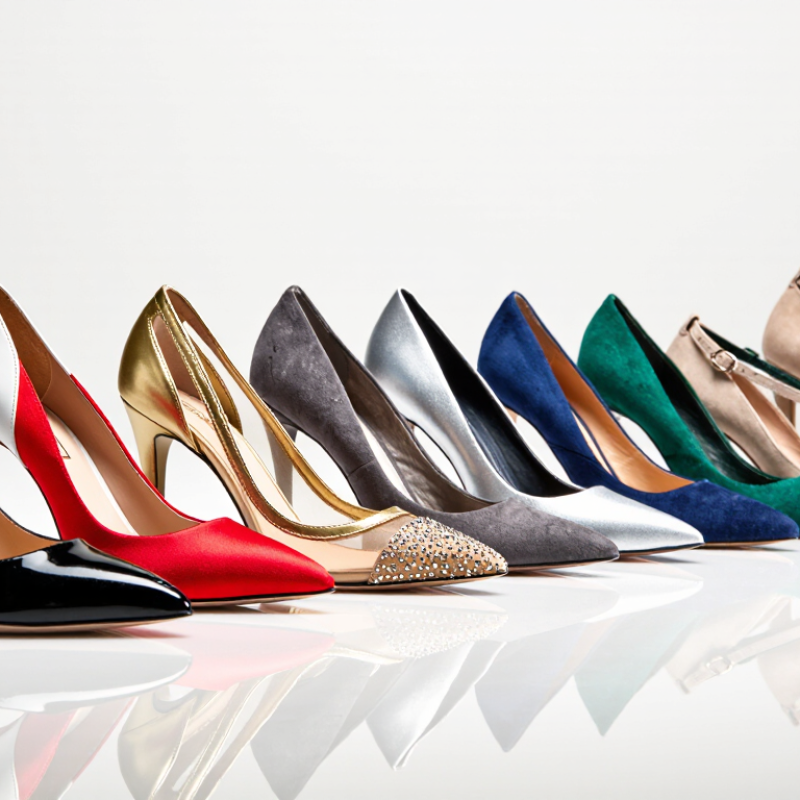
Top 10 Highest Stiletto Heels for Global Buyers?

Stiletto Heel Height: Definitions, Measurements, and Global Standards

For global buyers, stiletto heel height needs a shared measurement language. A stiletto is a narrow, sharply tapered heel, usually designed for an elegant vertical lift. There is no single worldwide height standard. In many product catalogs, 7.5 to 10 centimeters is considered high. Heights above 12 centimeters often include a platform or hidden lift. The platform changes the foot angle, so the visible heel number can mislead.

Measure vertically from the floor to the heel attachment point, keeping the shoe on a level surface. Do not measure along the heel’s diagonal edge. Record platform height separately, using millimeters for clearer factory communication. A 120-millimeter heel with a 20-millimeter platform does not feel like a true 120-millimeter rise. Last shape, toe box depth, and heel placement also affect balance and comfort. Small errors matter.

When comparing the highest styles for international purchasing, request a technical measurement sheet and a photographed ruler test. Confirm whether measurements use the sample size or each size grade. Factories may grade heel height slightly between sizes. That detail is often missed. In fitting evaluations, check heel stability, forefoot pressure, and counter slip after short indoor wear. My own view is cautious: a taller heel is not automatically better. Measurement systems remain imperfect, and buyers should document assumptions before approving production.

Key Design Features of the Tallest Stiletto Heels

For global buyers, the tallest stiletto heels are defined by engineering, not height alone. A 100–120 mm heel sharply increases forefoot pressure and changes walking balance. The American Podiatric Medical Association’s Women’s Foot Health and Footwear Survey found that 71% of women reported high-heel-related foot pain. That figure should shape product decisions.

Heel geometry matters. A narrow heel needs a reinforced shank, stable heel attachment, and a firm counter around the rear foot. A small platform can reduce the effective foot angle, although it may increase weight.

Buyers should inspect the pitch, outsole grip, toe-box depth, and flex resistance during physical sampling. The toe area must allow natural toe placement, not simply appear elegant in photographs. It looks tall. It may not feel wearable.

Material selection also affects performance. Dense leather or carefully tested synthetic uppers can improve structure, while soft lining reduces friction at the heel collar. According to the 2024 World Footwear Yearbook, global footwear production exceeded 23 billion pairs in 2023, increasing the need for consistent sizing and quality control across markets. Size conversion alone is insufficient. Foot shape varies widely between regions.

In practical testing, walk samples on smooth floors, carpet, and short inclines. Check heel wobble, pressure points, adhesive lines, and sole separation. Some designs pass visual inspection but fail after repeated steps. That is an uncomfortable lesson. Each production batch should include dimensional checks, attachment testing, and wear observations before shipment.

Materials, Construction, and Support for Extreme Heel Heights

Extreme stiletto heels demand more than a dramatic silhouette. Global buyers should inspect materials, construction, and support before comparing height. In practical fittings, small weaknesses can become painful pressure points within minutes. Full-grain leather or well-finished synthetic uppers may shape the foot, but material alone cannot prevent instability. A firm heel counter should resist collapse. The toe area needs controlled flexibility, not a stiff, crushing shell.

Heel height changes the foot’s loading pattern. A narrow heel concentrates force on a tiny contact area. Look for a reinforced shank, secure heel attachment, and a sole with dependable grip. Internal padding may reduce rubbing, while a stable platform can ease the forefoot angle. However, extra platform height does not automatically improve balance. Check stitching, edge finishing, and symmetry. Uneven alignment is a warning.

For international purchasing, request measured heel height, component details, size charts, and wear-test evidence. A controlled fitting on a clean, level surface reveals more than polished product photographs. Walk slowly. Stop if pressure becomes sharp or balance feels uncertain. I once underestimated how quickly fatigue changes posture. That mistake matters. Suppliers should explain support features clearly, avoid exaggerated comfort claims, and provide consistent measurements across sizes. Heel height is visible; structural reliability is not.

Top 10 Highest Stiletto Heels for Global Buyers? - Materials, Construction, and Support for Extreme Heel Heights

Rank Nominal Heel Height Typical Platform Approx. Foot Pitch Upper Materials Heel Construction Sole and Insole Support Recommended Fastening Stability Level Practical Use
1 200 mm / 7.9 in 80–100 mm Approximately 100–120 mm Leather, synthetic leather, or stretch textile Reinforced steel shank with a molded or laminated heel body Rigid forepart board, cushioned foam insole, textured rubber forefoot Ankle strap plus adjustable instep strap Very low Display, photography, or highly controlled indoor use
2 180 mm / 7.1 in 70–90 mm Approximately 90–110 mm Full-grain leather or coated microfiber Steel-reinforced shank, narrow tapered heel, bonded heel cap Leather or microfiber lining, molded arch insert, rubber forefoot pad Buckled ankle strap with closed toe or high-vamp upper Very low Costume, stage, and short-duration indoor wear
3 165 mm / 6.5 in 60–80 mm Approximately 85–105 mm Leather, satin, or durable synthetic textile Metal shank, injected polymer heel shell, replaceable heel tip Contoured footbed, reinforced toe box, non-slip rubber outsole Ankle strap and secure closed-back counter Low Runway, events, and limited walking on level floors
4 150 mm / 5.9 in 50–70 mm Approximately 80–100 mm Soft leather, suede, or microfiber Steel shank with reinforced heel-seat attachment Padded insole, arch contour, flexible rubber forefoot insert Adjustable ankle strap or lace-up upper Low Special occasions and short indoor journeys
5 140 mm / 5.5 in 40–60 mm Approximately 80–95 mm Leather or abrasion-resistant synthetic leather Reinforced thermoplastic heel with internal metal shank Foam cushioning, firm heel counter, rubber traction pad Closed-back counter with ankle strap Low to moderate Formal events and carefully maintained indoor surfaces
6 130 mm / 5.1 in 30–50 mm Approximately 80–95 mm Calf leather, suede, or coated fabric Steel shank, firm heel seat, mechanically secured heel attachment Contoured footbed, moderate forefoot cushioning, rubber outsole Ankle strap, lace-up closure, or secure slingback Moderate Occasional wear with limited walking
7 120 mm / 4.7 in 20–40 mm Approximately 75–90 mm Leather, synthetic leather, or textile mesh Standard metal shank with reinforced polymer heel Padded footbed, arch support layer, durable rubber heel tip Adjustable ankle strap or structured closed upper Moderate Events, office-to-evening use, and short commutes
8 110 mm / 4.3 in 10–25 mm Approximately 80–95 mm Leather, microfiber, or breathable textile Steel or fiberglass shank with bonded and screwed heel joint Cushioned insole, heel counter, textured rubber outsole Slingback strap or adjustable ankle strap Moderate Formal and business occasions with moderate walking
9 100 mm / 3.9 in None to 10 mm Approximately 90–100 mm Leather, suede, or synthetic upper Traditional steel shank and reinforced heel seat Cushioned insole, flexible forefoot, rubber or leather outsole Secure pump topline, slingback, or ankle strap Moderate to good Common formal heel height for controlled daily wear
10 90 mm / 3.5 in None Approximately 85–95 mm Leather, suede, microfiber, or textile Steel shank with molded or stacked heel construction Padded insole, firm heel counter, slip-resistant outsole Closed pump, slingback, or adjustable strap Good More suitable for extended formal or professional wear

Notes: Heel height is measured from the ground to the heel-seat area and may vary by size and measurement method. Platform height reduces the effective foot pitch, but extreme heel heights still require careful fit, secure fastening, and level walking surfaces.

Fit, Comfort, Safety, and Walking Considerations for Buyers

For global buyers, the highest stiletto heel is not always the smartest choice. A 12-centimeter heel can shift body weight toward the toes. It may also increase ankle pressure and shorten your natural stride. Measure both feet in the evening, when swelling is more likely. Compare those measurements with the seller’s actual size chart. Foot shapes vary widely across regions. Never rely on size numbers alone.

Tips: Choose a stable heel base, cushioned insole, and secure ankle fastening. Check the toe area carefully. Pointed shapes can compress wider feet. Ask for heel height, platform height, upper material, and return conditions before buying. Read verified customer feedback for sizing problems, loose straps, and sole grip. Product photos can hide important details.

Walk indoors on a clean, hard surface before wearing the shoes outside. Practice short steps, relaxed knees, and careful turns. Avoid wet floors, uneven pavement, and long walking routes. A lower platform may reduce the angle, but it does not guarantee comfort. Even an accurate measurement cannot predict every pressure point. I would allow extra fitting time, because discomfort sometimes appears after twenty minutes, not two. Replace thin heel tips when they become worn, since small damage can affect balance.

International Sizing, Pricing, and Purchasing Factors for Global Buyers

For global buyers, the highest stiletto heels demand more than visual impact. A practical top-ten shortlist should compare heel height, platform support, shaft balance, and walking stability. In product testing, a 120-millimeter heel can feel very different across patterns. A narrow toe box may create pressure within minutes. A wider front shape can improve comfort, but it may change the elegant silhouette.

International sizing requires careful measurement. Do not rely on a familiar US, UK, or EU number alone. Measure both feet in centimeters, preferably at the end of the day. Check the seller’s length and width chart. Conversion tables often vary. I have seen two pairs marked identically fit differently because of the last shape. That detail is easy to miss. Buyers should request an insole measurement and confirm whether the design runs small.

Pricing should include more than the listed pair cost. Leather, synthetic materials, handmade finishing, packaging, freight, taxes, and return handling can change the final amount. Ask about sample orders, minimum quantities, heel replacement parts, and quality inspection procedures. Examine the heel attachment, outsole grip, stitching, and box protection before bulk purchasing. Very high heels may photograph beautifully, yet their balance can disappoint on real floors. A small trial order is safer, although it adds time and cost.

FAQS

What is a stiletto heel?

It is a narrow, sharply tapered heel designed to create vertical lift. The shape looks elegant but can reduce walking stability.

What heel height is usually considered high?

Many catalogs classify 75 to 100 millimeters as high heels. Heights above 120 millimeters often include a platform or hidden lift.

How should heel height be measured?

Place the shoe on a level surface. Measure vertically from the floor to the heel attachment point. Do not follow the diagonal heel edge.

Should platform height be measured separately?

Yes. Record platform height separately in millimeters. A 120-millimeter heel with a 20-millimeter platform may feel less steep.

Why can the listed heel height feel misleading?

Last shape, toe-box depth, platform height, and heel placement change the foot angle. The number looks precise. Comfort may not be.

What technical information should international buyers request?

Request a measurement sheet and a photographed ruler test. Confirm whether measurements use one sample size or every graded size.

What design features support a tall stiletto heel?

A reinforced shank, secure heel attachment, firm counter, and adequate toe-box depth improve support. Check outsole grip and flex resistance too.

How can buyers test fit and comfort?

Measure both feet in the evening, when swelling may appear. Walk indoors on hard floors, carpet, and short inclines. Test for twenty minutes.

What problems should buyers inspect during sampling?

Check heel wobble, forefoot pressure, counter slip, adhesive lines, and sole separation. Small defects can become serious after repeated steps.

Is a taller heel always a better product?

No. A 120-millimeter heel can shift weight toward the toes and increase ankle pressure. A lower heel may be more practical. My judgment remains cautious.

Conclusion

This guide to the Highest Stiletto Heels explains how extreme heel heights are defined, measured, and compared across international markets. It examines the design features that create a dramatic, elevated silhouette, including heel shape, platform balance, toe structure, and overall proportions. Readers will also learn how materials, reinforced construction, cushioning, and supportive components can improve stability when heels become exceptionally tall.

For global buyers, the guide focuses on practical purchasing considerations such as fit, comfort, walking ability, and everyday safety. It also discusses international size conversions, measurement differences, pricing factors, shipping expectations, and the importance of checking product specifications before ordering. By combining design knowledge with responsible buying advice, the article helps shoppers evaluate tall stiletto styles more confidently and select options that match their sizing needs, intended use, comfort preferences, and personal experience level.

Mason

Mason

Mason is a seasoned marketing professional with a deep expertise in the company's offerings and a passion for driving brand awareness. With a strong background in digital marketing strategies, he has an innate ability to connect with diverse audiences and effectively communicate product benefits.......