How to Choose Brown Shoes for Women

Time:2026-09-22 Author:Sophia
0%

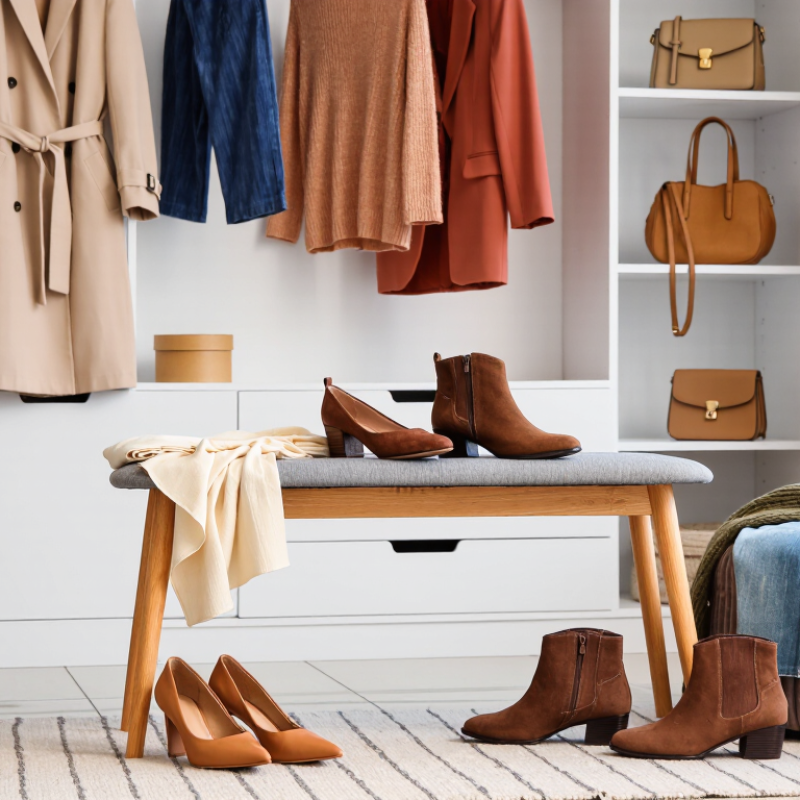
Choosing Shoes Women Brown begins with understanding how brown changes an outfit’s mood. Black can look sharp and definite. Brown often feels warmer, softer, and more approachable. It also offers surprising range, from pale caramel loafers to deep espresso boots. As footwear designer Christian Louboutin famously says, “A shoe has so much more to offer than just to walk.” That idea matters when selecting a pair for daily wear, work, or special occasions.

Look at your wardrobe before choosing the shade. Tan heels can brighten navy trousers and cream dresses. Chocolate-brown ankle boots pair naturally with denim, olive, rust, and camel. If your clothes contain cool gray or icy blue, reddish brown may feel slightly disconnected. Small details matter. Match the shoe’s depth, not its exact color, with your belt or handbag. Perfect matching is unnecessary. Sometimes, it looks too planned.

Pay attention to shape and material. A pointed toe can lengthen the leg, while a rounded toe offers a gentler appearance. Smooth leather feels polished beside tailored clothing. Suede adds texture to simple jeans and knitwear, but it needs careful protection from rain and stains. Walk inside the shoes for several minutes. Check the heel, toe box, and arch support. Beautiful shoes that cause pain are poor choices.

Your lifestyle should guide the final decision. Commuters may prefer a low block heel and durable sole. Occasional wearers can choose richer finishes or delicate details. Brown is not boring. Yet, I once chose color over comfort and regretted it by lunchtime. Use expert advice, but trust your actual walking habits.

How to Choose Brown Shoes for Women

Understanding Brown Shoe Shades and Materials

Brown shoes look simple until light changes their character. In daylight, cognac can appear orange, while espresso may look nearly black indoors. Test them in daylight. Warm brown shades suit cream, camel, olive, and denim. Cooler taupe-brown works better with grey, navy, and muted pink. Hold the shoe beside your trousers, not only against your skin. Contrast can make a shade appear brighter or duller.

Material changes brown even more than color. Full-grain leather usually shows visible grain and develops darker edges through wear. Suede absorbs light, creating a softer and dustier appearance. Coated synthetics often look more uniform, but their finish can reveal creases quickly. Textile Exchange’s Materials Market Report 2024 states that polyester accounted for 57% of global fiber production in 2023. That figure does not measure footwear directly, but it explains why synthetic uppers remain common and deserve careful quality checks.

For daily walking, bend the shoe gently near the toes. Leather should flex without sharp cracking. Suede should have an even nap, with no bald patches around the vamp. Check the lining and heel seam, too. These small details often predict comfort better than a polished surface. I once chose a beautiful reddish-brown pair that looked perfect online; under office lighting, it clashed with nearly everything I owned. That mistake still matters. Color accuracy in product photos is imperfect, and material texture can be understated. Feel the surface before trusting the shade.

How to Choose Brown Shoes for Women - Understanding Brown Shoe Shades and Materials
Brown Shade Visual Character Best Clothing Pairings Most Suitable Settings Common Materials Care Considerations Versatility
Light Tan Warm, soft, and casual with a lighter appearance that makes outfits feel relaxed. White, cream, beige, light denim, pastel shades, olive, and warm neutrals. Daytime wear, spring and summer outfits, casual offices, and weekend activities. Smooth leather, suede, canvas, and leather-textile combinations. Light colors show dust and stains easily. Suede needs a dry brush and a suitable protective spray. High for casual wear
Camel Golden brown with a balanced look that is less pale than tan and less formal than dark brown. Denim, navy, ivory, rust, mustard, cream, and medium-wash clothing. Everyday wear, smart-casual dressing, travel, and daytime social occasions. Leather, suede, nubuck, and woven fabric. Condition smooth leather periodically. Nubuck and suede should be kept away from prolonged moisture. Very high
Medium Brown Balanced and traditional, offering a practical middle ground between casual and polished. Navy, denim, gray, cream, burgundy, forest green, and warm patterned fabrics. Workwear, everyday outfits, business-casual settings, and dinners. Full-grain leather, corrected-grain leather, suede, and synthetic leather. Use shoe trees to help maintain shape. Polish smooth leather to preserve color and reduce surface dryness. Excellent
Chestnut Reddish medium-dark brown that adds warmth and visual interest without appearing overly bright. Navy, charcoal, cream, camel, denim, teal, and autumnal colors. Office outfits, smart-casual events, seasonal dressing, and evening occasions. Polished leather, burnished leather, suede, and leather boots. Burnished finishes may vary naturally. Apply neutral or shade-matched cream sparingly and buff with a soft cloth. High for polished outfits
Chocolate Brown Deep and rich with a refined appearance that is softer than black while remaining formal. Black, navy, gray, cream, white, burgundy, and dark denim. Office wear, formal dinners, interviews, and colder-season outfits. Full-grain leather, patent leather accents, suede, and leather-lined footwear. Dark leather benefits from regular conditioning and polishing. Avoid excess product, which can dull the finish. High for formal and smart-casual wear
Espresso Near-black brown with a sleek, understated appearance and strong visual weight. Black, charcoal, navy, white, gray, and other deep neutral colors. Formal occasions, professional settings, evening events, and minimalist wardrobes. Smooth leather, polished leather, suede, and water-resistant treated leather. Use a soft brush to remove dust and maintain a consistent finish. Test conditioner on a hidden area first. Very high for formal wardrobes
Smooth Leather Clean, structured, and often more polished than textured materials. Works well with tailored trousers, skirts, dresses, denim, and coordinated leather accessories. Office, business-casual, formal, and everyday wear depending on the shoe design. Natural or coated leather with a relatively even surface. Wipe with a soft cloth, condition occasionally, and polish when needed. Keep away from direct heat while drying. Excellent
Suede Soft, matte, and tactile, creating a relaxed and textured appearance. Denim, knitwear, cotton, corduroy, casual dresses, and soft tailoring. Casual wear, smart-casual outfits, and dry-weather occasions. Leather with a napped surface made from the inner side of the hide. Use a suede brush, avoid soaking, and apply a compatible protective spray. Do not use standard leather polish. Best for casual style
Nubuck Fine, velvety texture with a slightly more refined look than many suede finishes. Casual tailoring, denim, wool, chinos, knitwear, and outdoor-inspired clothing. Everyday wear and smart-casual settings in dry conditions. Top-grain leather sanded on the outer surface to create a fine nap. Brush gently with a nubuck brush and use products specifically labeled for nubuck. Water spots can be difficult to remove. Medium to high
Synthetic Leather Consistent in color and texture, often available at a lower price and with simpler routine care. Casual clothing, workwear, uniforms, and outfits where easy maintenance is important. Daily use and light-weather commuting, depending on the construction. Polyurethane or other synthetic coatings applied over a textile or composite base. Clean with a damp cloth and mild soap if permitted by the care label. Avoid solvents and high heat. High for easy-care wardrobes

Matching Brown Shoes With Different Clothing Colors

Brown shoes are practical anchors for many clothing colors. Pantone’s New York Fashion Week Autumn/Winter 2024/25 Fashion Color Trend Report included Toasted Walnut among its ten key shades. That choice reflects fashion’s continuing interest in warm, nature-based neutrals.

Dark brown shoes work especially well with navy, charcoal, cream, olive, and denim. They create softer contrast than black.

With a camel coat, choose chocolate-brown loafers or ankle boots for a layered, polished look. White trousers need medium brown, not very dark brown, or the outfit may feel visually heavy.

I have found that burgundy and rust clothing can look excellent with walnut-brown shoes. The colors share warmth, but the textures should differ. Try suede shoes with a smooth wool skirt. Brown also supports pale blue and blush pink, although the result can seem too gentle without a darker belt or bag.

This is where personal testing matters. Lighting changes brown dramatically. A shade that looks elegant indoors may appear orange outdoors. McKinsey and BoF’s State of Fashion 2025 report describes shoppers as increasingly value-conscious, so versatile brown footwear can support more outfit combinations. Still, versatility does not mean every brown matches everything.

Tips: Compare shoes beside the actual clothing, not a screen image. Match undertones first. Keep the shoe’s darkness close to one accessory. For casual denim, try tan or cognac. For black clothing, choose espresso brown and add a warm metal detail. If the outfit feels uncertain, simplify it. One intentional contrast is usually enough.

Choosing the Right Brown Shoe Style for Each Occasion

Choosing brown shoes becomes easier when the occasion leads the decision. In my experience, shade and structure matter as much as comfort. Dark chocolate leather looks polished for office meetings, interviews, and evening dinners. Medium brown feels warmer and suits smart-casual trousers or a simple midi dress. Tan shoes bring a relaxed mood to daytime walks, garden gatherings, and summer travel. Notice the setting. A glossy finish can feel too formal at a casual café. Soft suede may look out of place in heavy rain.

For work, choose a closed-toe pump, loafer, or low block heel with stable support. Test the shoes on a hard floor before wearing them outside. Your heel should stay secure without pinching. For weddings or formal events, slim heels or refined flats can complement flowing fabrics. Avoid matching brown exactly with your outfit. Nearby tones often look more natural. Ankle boots work well with jeans and knit dresses during cooler months. I once chose a narrow toe for appearance and regretted it after an hour. Style helps only when your feet can cooperate.

Tips: Match the shoe’s formality to the venue, not just the clothing. Check the forecast before choosing suede. Carry blister patches for long events. Compare both feet, because they may differ slightly in size. Walk, turn, and sit while trying shoes. If the pair feels painful in the store, it will not become kinder later. Keep a small gap near the toes, but avoid excessive movement. When uncertain, brown loafers or simple low heels offer dependable flexibility.

Selecting Comfortable Fits, Heels, and Supportive Features

How to Choose Brown Shoes for Women

Comfort should guide every brown-shoe decision, not color alone. The American Podiatric Medical Association’s 2014 Foot Health Survey reported that 77% of women had experienced foot pain. Poor fit often turns a polished outfit into an afternoon of limping. Measure both feet late in the day, when swelling is more likely. The toe box should let your toes spread naturally. Your longest toe needs about a thumb’s width of space. Walk on a hard floor before buying. Notice pressure near the little toe, heel, and arch.

Heel design matters as much as height. A lower, wider heel usually improves balance and reduces forward pressure. For regular walking, choose a stable heel around two inches or less. A cushioned footbed can soften impact, but cushioning alone does not provide real support. Look for a firm heel counter, flexible forefoot, and arch support that feels present, not painful. Leather or breathable textile uppers may adjust better around mild swelling. Still, materials vary, and “soft” does not always mean supportive.

Tips: Try brown shoes with your usual socks. Bend the front gently. It should flex near the toes, not in the middle. Check that the heel stays secure without rubbing. If one foot feels cramped, choose the larger fit. I once treated attractive shoes as automatically practical; that judgment was wrong. A beautiful shade cannot fix numb toes, unstable steps, or a painful seam. Test comfort slowly, and leave them behind if discomfort appears immediately.

Caring for Brown Shoes to Preserve Their Appearance

Brown shoes can stay elegant for years when their materials receive the right care.

I have learned that leather, suede, and synthetic finishes need different routines. Check the care label before applying any product. A hidden patch test is essential. It takes only a minute.

Remove dust after each wear with a soft, dry brush or cloth. For smooth leather, use a small amount of neutral conditioner every few months. Too much can darken the surface and soften its structure. Wipe away excess product, then let the shoes rest overnight. Polish sparingly, matching the brown tone as closely as possible. A slightly uneven finish is better than a thick, artificial shine.

Suede needs a suede brush, not oily conditioner. Brush gently in one direction after the material dries completely. If rain reaches the shoes, blot them with a towel and let them dry at room temperature. Never place them beside a heater. Heat can crack leather and distort the shape.

I once rushed this step and regretted it. The shoes dried faster, but the leather became stiff near the toes.

Stuff the shoes with unprinted paper to support their form, and store them in a cool, breathable space. Rotate pairs when possible. Even good care cannot repair every scuff, so a professional repair specialist is wise for deep scratches, loose soles, or serious water damage.

FAQS

Why can brown shoes look different indoors and outdoors?

Lighting changes brown shades dramatically. Cognac may look orange in daylight, while espresso can appear almost black indoors. Test shoes outside.

Which brown shades pair well with common clothing colors?

Warm browns suit cream, camel, olive, and denim. Cooler taupe-brown works better with grey, navy, and muted pink.

How should I compare shoe color before buying?

Hold the shoe beside your trousers. Skin tone can mislead you. Product photos may also show inaccurate colors.

How do materials change the appearance of brown shoes?

Full-grain leather shows natural grain and darker edges over time. Suede looks softer and dustier. Synthetic finishes often appear more even.

What should I check for daily walking comfort?

Gently bend the shoe near the toes. Leather should flex without sharp cracking. Also inspect the lining, heel seam, and toe shape.

How should I clean and condition smooth leather?

Remove dust with a soft, dry brush or cloth. Apply a small amount of neutral conditioner every few months. Too much may darken leather.

How should I care for suede after rain?

Blot moisture with a towel. Let the shoes dry at room temperature. Never place them beside a heater. Heat can stiffen or distort them.

How can I preserve the shape of brown shoes?

Insert unprinted paper while they dry. Store them somewhere cool and breathable. Rotate pairs when possible. I once rushed drying and regretted it.

When should I seek professional shoe repair?

Get help for deep scratches, loose soles, or serious water damage. Home care cannot repair every scuff. That limitation matters.

Conclusion

Choosing the right brown shoes begins with understanding how shades and materials affect your overall look. Light tan and caramel tones create a relaxed, fresh impression, while chocolate and espresso shades appear more polished and formal. Leather, suede, and fabric each offer a different texture and level of durability. When coordinating Shoes Women Brown with clothing, consider contrast and balance: lighter shoes pair well with dark denim or rich colors, while deep brown shoes complement neutral, pastel, and earth-toned outfits.

The best style also depends on the occasion. Loafers, flats, and ankle boots suit everyday wear, while elegant heels or refined pumps can complete professional and evening outfits. Comfort should remain a priority, so select the right size, supportive cushioning, stable heels, and breathable materials. Finally, regular care helps brown shoes retain their appearance. Clean away dirt, condition suitable materials, protect them from moisture, and store them properly to prevent creasing, fading, and unnecessary wear.

Sophia

Sophia

Sophia is a dedicated marketing professional with an exceptional depth of knowledge about her company's products and services. With a keen understanding of market trends and customer needs, she crafts insightful blog posts that not only inform but also engage readers, enriching the company’s online......