
Choosing Black Platform Heels For Women involves more than matching a dress. Height, fit, materials, and walking comfort all affect the final decision. A dramatic pair may look elegant online, yet feel unstable after ten minutes on a hard floor. That difference matters.
This guide examines heel height, platform thickness, toe shape, ankle support, and sole grip. A balanced design usually feels steadier than a very narrow heel. Cushioned insoles can reduce pressure under the forefoot. Adjustable straps may help secure the foot during long events. Genuine leather often softens with wear, while synthetic materials can offer easier cleaning and lower cost. Neither option is perfect.
Measure both feet near the end of the day. Feet can swell slightly, making an evening fitting more realistic. Check whether your toes touch the front or slide forward. Walk across several surfaces, including tile and carpet. Listen for unwanted movement. It may reveal poor support.
Style still matters. Black platforms can suit tailored trousers, satin dresses, denim, or simple office outfits. However, a taller platform is not automatically more flattering or comfortable. Personal posture, foot shape, and daily experience should guide the choice. Product descriptions are useful, but independent reviews and clear return policies provide additional confidence. Small details count. A carefully chosen pair should support your outfit without dominating your movement. Be willing to reconsider appearance alone. Comfort is not a compromise; it is part of a reliable style decision.
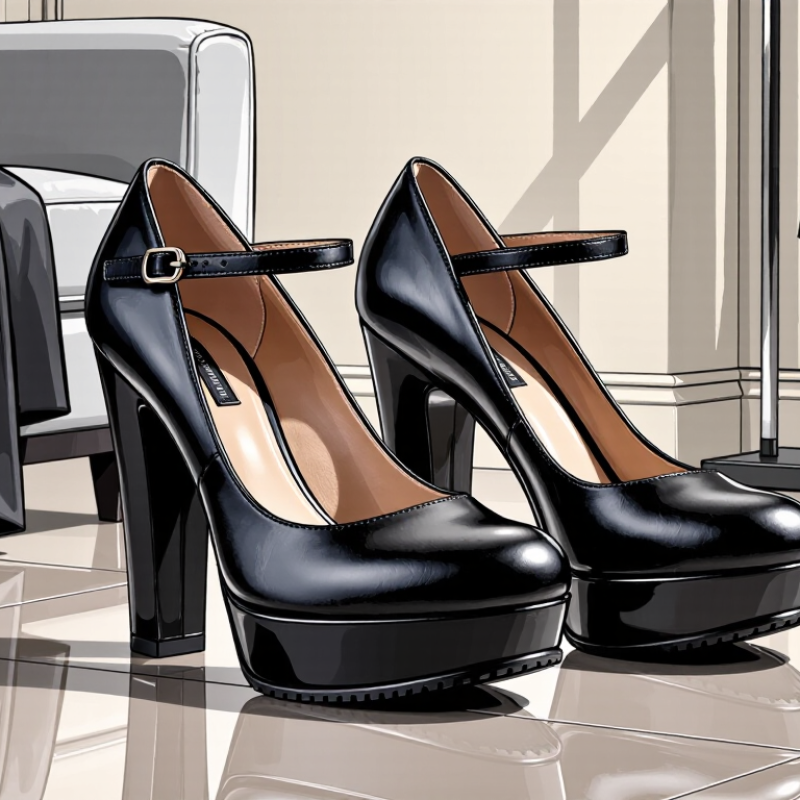
Choosing black platform heels starts with understanding their structure, not only their color. A platform raises the front of the foot, reducing the angle created by a tall heel. Common styles include block-heel platforms, wedges, ankle-strap designs, and open-toe versions. Block heels usually provide steadier contact on hard floors. Wedges distribute weight more broadly, but they may feel heavy during long walks. The upper material matters too. Smooth leather-like finishes look polished, while textile uppers can feel softer but may crease sooner.
According to Grand View Research, the global footwear market was estimated at about USD 488.2 billion in 2023, with continued growth projected through 2030. That broad figure does not predict the comfort of one pair. It does show why construction, fit, and material testing matter across the industry. The American Podiatric Medical Association advises limiting prolonged high-heel wear because elevated heels can increase pressure around the forefoot. Try both shoes in the afternoon, when feet may swell slightly. Check whether your heel lifts inside the shoe. It should not.
Tips: Match the platform height to your routine. For commuting, choose a wider heel, cushioned insole, and secure ankle strap. For short evening wear, a slimmer silhouette can work. Measure the toe box carefully. Black hides visual bulk, but it cannot hide pinching. I once underestimated this detail, and the shoes looked perfect while standing still. That was not enough. Consider walking on tile for several minutes before buying, if the store permits it.
Black platform heels can look dramatic, but comfort depends on more than appearance. The right pair starts with heel height. For long events, a 7–9 cm heel often feels more manageable than a very high stilettos. A higher heel shifts body weight forward and may tire the calves quickly. Try walking on a hard floor before buying. Short steps reveal unstable balance. I once chose height over support and regretted it after one hour.
Platform thickness changes the actual incline beneath your foot. A 3 cm platform can make a 10 cm heel feel closer to a 7 cm rise. However, an extremely thick platform may feel heavy or awkward on stairs. Check whether the sole bends slightly near the toes. A completely rigid sole is not always comfortable for natural movement.
Toe shape also affects fit. Round toes usually provide more room for wider feet. Square toes can offer a balanced middle option. Pointed toes create a sharp silhouette, but they need enough length and width. Your toes should not touch the front. Measure both feet in the afternoon, when swelling is more likely. Wear the type of hosiery you normally use. Walk, turn, and stand still for several minutes. My fitting mistake was ignoring pressure near the little toe; the shoes looked perfect, but that small discomfort never disappeared.
How to Choose Black Platform Heels for Women?
Comfort should guide your choice of black platform heels, not appearance alone. Start with materials that bend gently near the toes. Soft leather, microfiber, or flexible textiles can reduce rubbing. Stiff uppers may look polished but often create pressure points. Check the lining, too. A smooth interior helps prevent blisters during long events.
Fit matters more with platform heels because your foot sits at an angle. Your toes should not touch the front edge. Your heel should stay secure without pinching. Try both shoes in the afternoon, when feet are slightly larger. Walk on a hard floor and notice slipping, twisting, or uneven pressure. A half-size difference can change everything. I sometimes underestimate that detail.
Tips: Choose a broad platform and a stable heel base for better balance. Look for cushioned insoles, padded straps, and firm arch support. A rubber outsole may improve grip on smooth floors. Bend the shoe gently; it should flex near the toes, not in the middle. Test stairs before wearing them outside. Short practice walks can reveal discomfort early. Also, avoid excessive height if you need to stand for hours. It may look elegant, but comfort deserves the final decision.
| Selection Dimension | Recommended Specification | Comfort and Support Benefit | What to Check Before Buying | Overall Suitability |
|---|---|---|---|---|
| Platform Height | 1–2.5 in (2.5–6.5 cm) | A moderate platform can reduce the difference between the heel and forefoot, helping create a less steep foot position than a thin high heel of the same total height. | Compare the actual heel-to-forefoot difference rather than looking only at the total heel height. | Excellent for daily wear |
| Total Heel Height | 2.5–4 in (6.5–10 cm) | Provides noticeable height while remaining easier to control than very high heels. Lower heights generally require less ankle stability. | Walk on a firm, level surface and check whether your heel remains centered without wobbling. | Good for regular occasions |
| Heel Shape | Block, stacked, or flared heel | A wider heel base distributes load more effectively and usually offers greater side-to-side stability than a narrow stiletto heel. | Make sure the heel sits directly under the heel area and does not lean outward or inward. | Excellent stability |
| Upper Material | Soft leather, flexible microfiber, or smooth textile with padded lining | Flexible materials can reduce rubbing when they fit properly, while a soft lining helps limit friction around the heel and toes. | Look for smooth seams, flexible areas over the toe joints, and no hard edges inside the shoe. | Good with proper fit |
| Toe Shape | Rounded, almond, or gently squared toe | These shapes generally allow more natural toe positioning than sharply pointed designs, especially during extended wear. | Ensure your longest toe does not touch the front and that the toes can move slightly without being squeezed. | Excellent comfort potential |
| Toe Box Width | Roomy enough to match the natural forefoot shape | Adequate width helps reduce pressure on the toes and forefoot. Width should come from the shoe shape, not from excessive looseness. | Check both width and depth; the upper should not press across the toe joints when standing. | Essential for comfort |
| Footbed Cushioning | Contoured insole with cushioning under the heel and forefoot | Cushioning can improve underfoot comfort and reduce the feel of hard contact with the ground, although it cannot correct a poor fit. | Press the insole lightly to check for resilient padding rather than a thin, rigid insert. | Good support feature |
| Arch Support | Moderate contour that matches the foot arch | A suitable contour can improve pressure distribution. Excessively high or misplaced arch support may create discomfort. | Stand in the shoes for several minutes and confirm that the arch contact feels supportive, not sharp or intrusive. | Good when correctly positioned |
| Ankle Support | Adjustable ankle strap, secure slingback, or structured upper | Secure fastening helps reduce unwanted foot movement and may improve confidence when walking on heels. | The strap should hold the foot without cutting into the skin or allowing the heel to slip out. | Excellent for stability |
| Outsole Grip | Textured rubber or rubber-patched outsole | Surface texture and rubber contact areas can improve traction on common indoor floors and reduce slipping risk. | Inspect the tread pattern and avoid completely smooth soles when frequent walking is expected. | Good for everyday surfaces |
| Heel Counter | Firm but padded structure around the rear heel | A supportive heel counter helps keep the foot aligned and can reduce excessive heel movement. | Check that the counter supports the heel without creating pressure or rubbing at the Achilles area. | Excellent fit feature |
| Size and Fit | Snug at the heel, secure at the midfoot, and roomy at the toes | A correct fit helps prevent sliding forward, blisters, and concentrated pressure on the forefoot. | Try shoes at the end of the day, when feet may be slightly larger, and test them with the hosiery you plan to wear. | Most important factor |
| Walking Test | Walk for 5–10 minutes before making a decision | A short test can reveal heel slippage, toe compression, unstable steps, or pressure points that are not obvious while seated. | Walk, turn, stand still, and use stairs if possible. Do not rely on the expectation that a painful fit will improve substantially. | Recommended for every purchase |
Practical guideline: For the best balance of height and comfort, prioritize a moderate platform, a broad heel, a secure ankle fastening, a shaped footbed, and enough toe-box space for natural movement.
Choosing black platform heels starts with comfort, not height. I look for a secure ankle strap, a cushioned insole, and a platform that reduces the arch strain. A stable sole matters on polished floors. Measure both feet and try shoes late in the day, when feet are slightly larger. Wear the socks or tights you plan to use. My own mistake was choosing a narrow toe box for a short event. The pain started before dinner.
For office outfits, pair moderate black platforms with tailored trousers or a straight midi skirt. Keep the heel clean and the toe shape simple. A structured blazer creates a sharper line. With jeans, choose a chunkier platform and show a little ankle. This contrast makes the outfit feel intentional, not overly formal. A soft knit dress can balance a bold sole, especially with a small crossbody bag. Avoid matching every accessory in black; a silver watch or muted scarf can add depth.
At weddings or dinners, satin textures and flowing dresses soften the shoe’s heavier shape. For concerts or city walks, select a lower platform with padded straps and enough room to move. Check the venue before wearing them outdoors. Thin heels can sink into grass, while tall platforms may feel unstable on cobblestones. I sometimes prefer a less dramatic pair than the outfit seems to need. It looks quieter, but I can actually enjoy the occasion.
Suggested black platform heel heights for different outfits and occasions.
Lower heels and platforms are practical for casual outfits and outdoor occasions, while taller styles create a more formal silhouette for evening looks. Pair black platform heels with jeans for casual wear, tailored trousers for the office, midi dresses for dates, and elegant dresses for formal events.
Black platform heels should look elegant, but comfort and safety deserve equal attention. Check the platform for firm construction and even edges. Press the sole gently. Excessive softness may signal weak support. The heel should sit straight, without wobbling under light pressure. Inspect stitching around the upper and platform. Loose threads can become larger problems after repeated wear. Choose a toe area that allows slight movement. Tight toes often become painful during long events.
Walk on a clean, hard floor before buying. Notice whether your heel lifts inside the shoe. A secure fit reduces rubbing and improves balance. The outsole should provide visible traction, especially near the front and heel. Very high platforms can reduce ground awareness. Start with shorter walks. Your body may need time to adjust.
I once focused too much on appearance and ignored pressure beneath the forefoot. That mistake made a beautiful pair nearly unwearable.
Care affects long-term wearability. Wipe black uppers with a soft, slightly damp cloth after use. Let the shoes dry naturally, away from heaters and direct sunlight. Keep their shape with plain paper, not excessive stuffing. Store them upright in a dry, ventilated place. Rotate wear when possible. Examine the heel tips, sole edges, and inner lining every few uses. Replace damaged heel tips promptly through a qualified shoe repair professional. Even good materials deteriorate. That is easy to forget. If your walking pattern changes or pain persists, stop wearing them and seek advice from a qualified foot-care professional.
Soft leather, microfiber, and flexible textiles can bend near the toes. Smooth linings may reduce rubbing and blisters. Stiff uppers can create pressure points.
Your toes should not touch the front edge. Your heel should stay secure without pinching. Try both shoes in the afternoon, when feet may be larger.
Walk on a hard floor. Notice slipping, twisting, or uneven pressure. Test the stairs, too. A half-size difference can matter more than expected.
Choose a broad platform and a stable heel base. Cushioned insoles, padded straps, and firm arch support can help. A rubber outsole may grip smooth floors better.
Wear moderate platforms with tailored trousers or a straight midi skirt. Keep the toe shape simple. A structured blazer creates a cleaner line.
Yes. A chunkier platform suits jeans with a little ankle showing. A soft knit dress can balance a bold sole. A small crossbody bag adds practical detail.
Satin textures and flowing dresses can soften the shoe’s heavier shape. Consider a silver watch or muted scarf instead of matching everything in black.
Choose lower platforms with padded straps and enough room to move. Thin heels may sink into grass. Tall platforms can feel unstable on cobblestones. Short practice walks help.
Avoid excessive height if you will stand for hours. A dramatic pair may complete the outfit, but a quieter pair can feel better. I still underestimate this sometimes.
Choosing Black Platform Heels For Women starts with understanding the differences between block heels, wedges, chunky platforms, and refined high-heel designs. Consider your comfort level, daily needs, and personal style when selecting heel height, platform thickness, and toe shape. A moderate heel and balanced platform can provide height while reducing pressure on the front of the foot, while rounded or almond-shaped toes may offer more room than narrow styles.
Comfort also depends on breathable materials, accurate sizing, cushioned insoles, secure straps, and stable soles. Match black platform heels with dresses, tailored trousers, skirts, or casual outfits according to the occasion, from formal events to evenings out. Before purchasing, inspect the stitching, sole attachment, heel stability, and overall finish. Choose designs with reliable grip and supportive construction, then maintain them by cleaning suitable materials, storing them properly, and checking for wear regularly. A well-chosen pair should combine style, safety, versatility, and long-term comfort.
