
China Best Shoes For Women In Heels Wholesale? This guide examines suppliers, product quality, pricing, and buyer protection. The opportunity is large, but “best” depends on measurable performance.
Fortune Business Insights valued the global high heels market at USD 56.55 billion in 2023. Its report expects continued growth through 2032, supported by fashion demand and online retail. China remains important because factories can offer varied heel shapes, materials, colors, and minimum order quantities. However, low prices alone do not prove reliable quality. A glossy sample may hide weak stitching, unstable heels, or uncomfortable insoles.
Small details matter.
A practical wholesale review should inspect heel alignment, outsole grip, bonding strength, lining breathability, and size consistency. Buyers should request wear-test samples before confirming bulk production. A 90-millimeter heel may photograph beautifully, yet create pressure around the forefoot during extended use. The American Podiatric Medical Association warns that “high heels can cause a multitude of foot problems,” according to podiatrist Dr. Hillary Brenner.
That warning deserves attention.
This article compares Chinese wholesale options through an E-E-A-T-focused lens: supplier experience, manufacturing knowledge, documented testing, and transparent communication. It also considers factory audits, material declarations, inspection records, packaging accuracy, and realistic delivery schedules. Some supplier claims may look impressive but remain difficult to verify. That is the uncomfortable part.
Expect practical comparisons, not exaggerated promises. The strongest Shoes For Women In Heels wholesale partner should combine attractive design, stable construction, consistent sizing, and accountable service. Data helps, but direct inspection still matters.
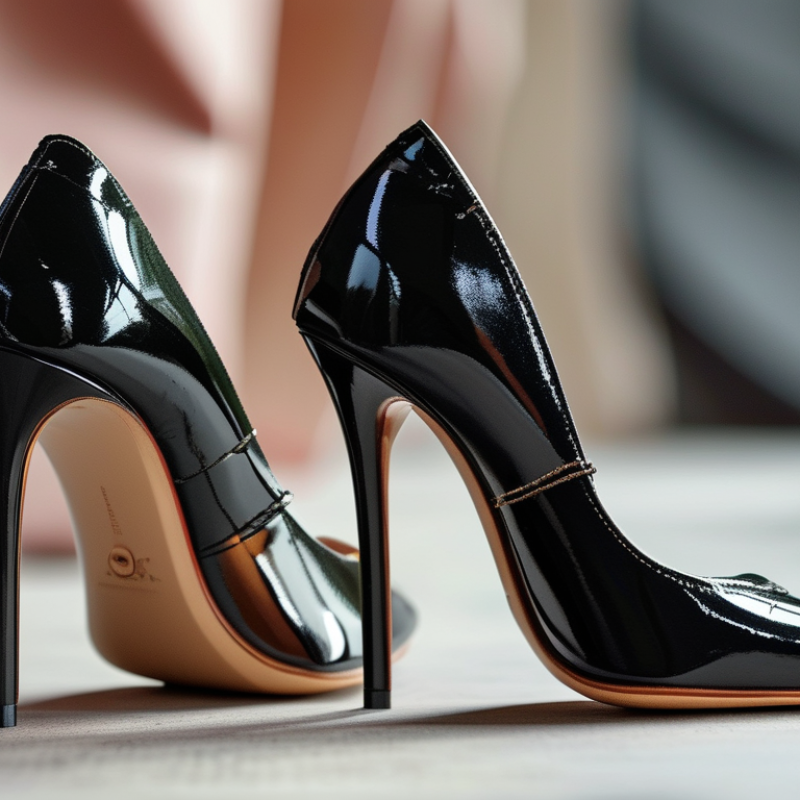
China’s women’s heels wholesale market combines large production capacity with fast design adjustments. The World Footwear Yearbook 2024 reported that China produced about 54% of global footwear in 2023. That scale supports flexible orders, varied heel shapes, and competitive sampling costs.
But capacity does not guarantee consistency. Buyers should inspect heel balance, outsole grip, stitching, and carton protection before placing repeat orders. A 75-millimeter heel may look elegant in photos, yet feel unstable after several hours. Request measurements for both foot length and width. Chinese sizing can differ between factories.
Small details matter.
The China footwear market also benefits from strong online retail activity. Statista’s 2024 footwear market analysis estimated China would remain one of the world’s largest consumer markets by revenue. This encourages suppliers to produce seasonal colors, metallic finishes, square toes, and lower block heels quickly. However, trend speed can create uneven quality. One factory may use soft microfiber, while another uses a stiffer synthetic material under the same description.
Ask for material specifications, production photos, inspection records, and a pre-shipment sample. Confirm minimum order quantities and replacement terms in writing. I have found that the cheapest quotation often hides higher rework costs. That assumption deserves checking. A reliable supplier should explain lead times clearly and disclose whether components come from different workshops.
A practical wholesale reference for common women’s heel categories, purchasing specifications, and sourcing considerations in China.
| Product Category | Typical Construction & Materials | Common Heel Height | Typical MOQ | Indicative Wholesale Price (USD / Pair) |
Typical Production Lead Time | Wholesale Purchasing Considerations |
|---|---|---|---|---|---|---|
| Classic Court Pumps | Pointed or round toe; synthetic leather, microfiber, or genuine leather upper; covered heel and cushioned insole. | 5–9 cm | 60–120 pairs per color |
$8–$28 | 20–35 days | Suitable for office and formalwear collections. Check toe shape, heel stability, lining, and size consistency. |
| Stiletto Heels | Slim high heel with pointed or almond toe; commonly made with PU, microfiber, satin, or leather uppers. | 8–12 cm | 60–120 pairs per color |
$9–$32 | 25–40 days | Heel attachment and balance are critical. Request wear testing before placing a large order. |
| Block-Heel Shoes | Wider heel with synthetic leather, microfiber, textile, or leather upper; often includes padded footbeds. | 4–8 cm | 60–150 pairs per color |
$8–$26 | 20–35 days | Offers improved stability and everyday comfort. Inspect outsole grip and heel-to-upper bonding. |
| Slingback Heels | Open-back design with adjustable strap; PU, microfiber, satin, textile, or leather upper. | 3–9 cm | 60–120 pairs per color |
$8–$27 | 20–35 days | Strap elasticity, buckle quality, and heel grip affect fit and return rates. |
| Strappy Sandal Heels | Open-toe construction with narrow or wide straps; commonly uses PU, microfiber, textile, or leather. | 5–11 cm | 60–150 pairs per color |
$7–$25 | 20–35 days | Check strap edges, footbed comfort, decorative attachment, and outsole traction. |
| Platform Heels | Raised forepart combined with a high heel; synthetic leather, textile, microfiber, or leather upper. | 8–14 cm | 60–120 pairs per color |
$10–$35 | 25–45 days | Evaluate total weight, platform flexibility, heel alignment, and package protection during shipping. |
| Wedge Heels | Continuous wedge outsole with canvas, textile, PU, microfiber, or leather upper; some styles use cork-look finishes. | 4–10 cm | 60–150 pairs per color |
$8–$28 | 20–40 days | Confirm wedge density, outsole durability, footbed support, and resistance to deformation. |
| Ankle Boots with Heels | Closed boot shaft with zipper or elastic panel; PU, microfiber, suede-like textile, or leather upper. | 5–10 cm | 60–120 pairs per color |
$12–$38 | 30–50 days | Seasonal demand is important. Verify shaft circumference, zipper operation, lining, and water resistance. |
| Bridal & Occasion Heels | Satin, textile, microfiber, or leather upper with crystal, pearl, bow, or metallic decoration. | 5–10 cm | 30–100 pairs per color |
$10–$40 | 25–45 days | Decorative components should be firmly attached. Confirm color matching, protective packaging, and sample approval. |
| Custom Private-Label Heels | Buyer-selected last, upper material, outsole, color, packaging, logo application, and size range. | Buyer specification | Usually 200–500 pairs per style |
$10–$45+ | 35–70 days | Requires tech packs, approved samples, size grading, packaging artwork, and quality-control standards. |
Reference note: The price, MOQ, and lead-time figures are typical planning ranges for China-based wholesale production and can vary by material grade, order volume, customization, season, packaging, inspection requirements, and shipping terms. Prices generally exclude freight, duties, taxes, and testing fees.
China offers large production capacity, varied heel shapes, and flexible sampling options. Design changes can happen quickly. However, capacity alone does not guarantee consistent quality.
Check heel balance, outsole grip, stitching, padding, and carton protection. A 75-millimeter heel may look elegant but feel unstable after hours of wear. Small details matter.
Yes, sizing may vary between manufacturers. Request measurements for both foot length and width. Order samples in two or three sizes before confirming production.
Request factory videos, recent samples, production photos, and business documents. Ask about daily capacity, inspection procedures, and component sources. Photos alone prove little.
Ask whether the upper uses microfiber, leather, or another synthetic material. Confirm thickness, softness, color consistency, and surface finish. The same description may hide different materials.
A trial order reveals real production habits before a larger commitment. Check heel attachment, glue marks, sole grip, stitching, and packaging. It may cost more per pair.
The supplier should describe checks from material cutting through final packing. Discuss size grading, color control, inspection standards, and defect records. Unclear answers can signal risk.
Confirm minimum order quantities, specifications, lead times, payment terms, and replacement rules. Also clarify delivery schedules and inspection responsibilities. Written details reduce later confusion.
Strong cartons help protect heels, uppers, and decorative finishes during delivery. I once underestimated carton strength, and several boxes arrived crushed. That mistake deserved more attention.
China’s wholesale market for Shoes For Women In Heels offers a wide range of styles, including pumps, sandals, ankle-strap heels, platform shoes, wedges, and special-occasion designs. Buyers can compare suppliers based on materials such as leather, synthetic fabrics, textiles, rubber, and durable man-made soles. Careful evaluation should include stitching, heel stability, lining quality, comfort, sizing consistency, finishing, and overall craftsmanship. Requesting samples before placing a large order is an effective way to confirm product standards.
To find reliable wholesale manufacturers in China, buyers should review production capabilities, communication, quality-control procedures, minimum order quantities, and experience with international trade. Pricing may vary according to materials, design complexity, order volume, packaging, and customization requirements. It is also important to clarify samples, logos, colors, size ranges, shipping methods, lead times, import documentation, duties, and destination-country requirements. A clear agreement and inspection plan can help reduce misunderstandings and support a smoother purchasing process.
