
Brown shoes are moving beyond the office and into everyday wardrobes. This 2026 buying guide examines the most useful Shoes For Women Brown, from polished leather loafers to soft suede ankle boots.
Recent footwear reports from Circana and McKinsey’s State of Fashion research point toward practical value, comfort, and longer product use. Shoppers appear more selective. They want shoes that work across several outfits, not pairs that look impressive for one season. Beth Goldstein, a footwear industry analyst at Circana, has said, “Consumers are looking for comfort, versatility, and value.” That principle shapes this guide.
Small details matter. A warm chestnut shade can soften black tailoring. Espresso brown often looks sharper with cream, denim, or olive clothing. Leather usually handles rain and daily commuting better, while suede offers texture but demands more care. Check the outsole, heel stability, toe space, stitching, and return policy before buying. Fit should lead.
Comfort is not identical for every woman.
This guide compares materials, construction, styling flexibility, maintenance needs, and realistic price value. It also considers independent reviews and established footwear guidance, rather than relying only on attractive product photography. Still, no report can predict your exact experience. I may favor versatile designs too strongly, while some readers may prefer bold color or higher heels. That limitation deserves honesty. The best brown shoe is not automatically the most expensive one. It is the pair that supports your routine, matches your wardrobe, and remains wearable after the first exciting week.
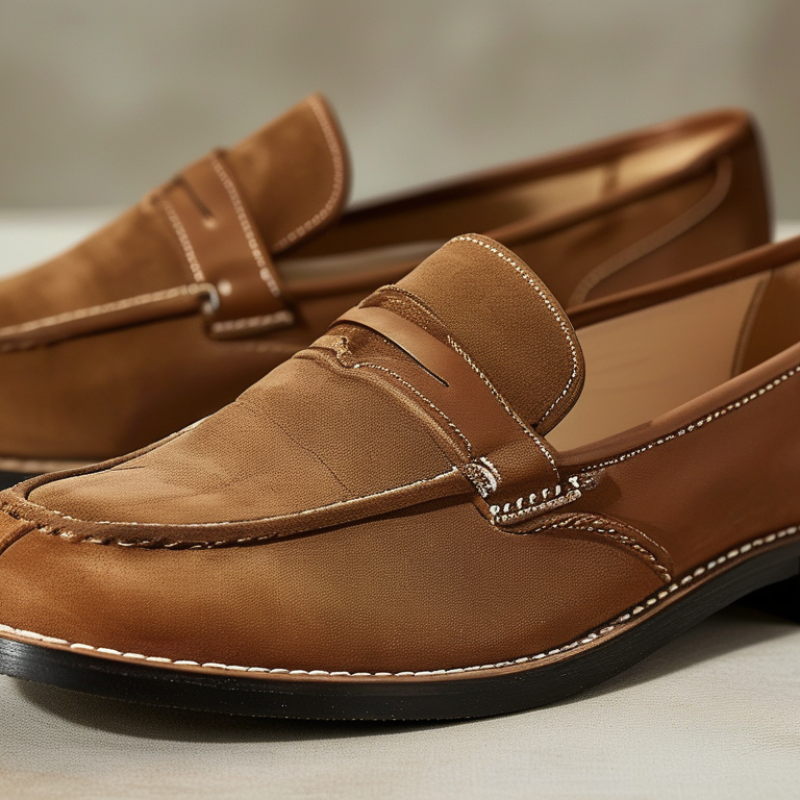
Brown shoes are becoming a reliable foundation for women’s wardrobes in 2026. Their warm tones soften sharp tailoring and complement denim, cream, olive, and muted pink. Style matters.
Loafers offer polished comfort for office days and travel. Choose rounded toes for a softer appearance, or sleek shapes for a more structured outfit.
Ankle boots remain practical in cooler weather, especially with a low stacked heel and firm ankle support. Mary Jane shoes add a youthful detail, while brown ballet flats create an understated look with midi skirts.
Low-profile brown sneakers work well with wide-leg trousers, although very pale suede can show marks quickly.
Tips: Match the shoe’s brown tone with one small detail, such as a belt or handbag. Check the sole before buying, because flexible construction improves everyday comfort. Wear new shoes indoors first. I still find that some beautiful pairs feel too narrow after an hour. Measure both feet, and leave a thumb’s width near the longest toe. Dark chocolate shades look refined, while caramel brown feels lighter and more relaxed. Consider the season, fabric, and walking distance before choosing a style. Keep it practical.
2026 Best Brown Shoes for Women Buying Guide
Choosing brown shoes in 2026 starts with material, not color alone. Full-grain leather usually develops character, but it can feel firm during the first few wears. Suede offers a softer visual texture and flexible comfort, yet it needs protection from heavy rain and rough surfaces. For warm days, woven leather or breathable fabric may reduce heat. Check the inside too. A smooth lining can prevent rubbing around the heel.
Fit should be tested in the afternoon, when feet are often slightly larger. Wear the socks you normally use. Your toes need room to move, while the heel should stay nearly still. A thumb-width gap can be excessive in narrow styles. Walk on a hard floor for several minutes. Notice pressure under the ball of the foot, not only at the toes. If the shoe feels painful immediately, do not trust promises that it will “stretch out.”
Comfort also depends on the sole and daily setting. A flexible rubber sole suits wet commutes, while a lighter sole may feel easier indoors. Low, stable heels can improve balance without making the shoe look heavy. Inspect stitching, edge finishing, and the bend point before buying. These details often reveal useful construction quality. Still, no material works perfectly for every foot. I sometimes choose a less polished pair because it remains comfortable after six hours. That trade-off is easy to underestimate.
Compare common brown shoe materials, silhouettes, fit characteristics, comfort features, and practical care needs before buying.
| Shoe Type | Recommended Material | Best Brown Shades | Fit and Comfort Features | Best For | Weather Suitability | Care Requirements |
|---|---|---|---|---|---|---|
| Brown Loafers | Full-grain leather or soft suede | Cognac, chestnut, medium brown | A firm heel counter, flexible forefoot, and lightly cushioned insole help support everyday walking. Choose a round or almond toe for more room. | Office wear, commuting, smart-casual outfits | Leather handles light moisture with treatment; suede is better for dry conditions. | Use leather conditioner on smooth leather. Brush suede with a suede brush and use a protective spray. |
| Brown Ankle Boots | Water-resistant leather or treated suede | Dark brown, espresso, walnut | Look for a stable heel, padded collar, supportive arch area, and enough space for socks without heel slipping. | Travel, autumn outfits, everyday wear | Suitable for cool and damp weather when the upper and seams are treated; not all styles are waterproof. | Condition leather periodically, dry naturally away from direct heat, and replace worn heel caps when needed. |
| Brown Chelsea Boots | Smooth leather with elastic side panels | Tan, reddish brown, dark chocolate | The elastic panels should hold the ankle securely without pinching. A low block heel and cushioned footbed improve walking comfort. | Versatile daily styling, work-to-weekend outfits | Good for cool, dry, or lightly wet conditions when treated; avoid deep puddles unless specifically waterproof. | Wipe away dirt, apply a suitable leather cream, and keep the elastic panels free from excess polish. |
| Brown Ballet Flats | Soft leather or breathable textile | Nude brown, caramel, mocha | A flexible sole, padded footbed, and secure topline reduce slipping. Avoid a very narrow toe box if toes feel compressed. | Indoor work, light walking, minimalist outfits | Best in dry weather; thin soles and textile uppers offer limited protection from rain. | Clean gently with a damp cloth and allow the interior to air fully between wears. |
| Brown Heeled Pumps | Smooth leather or durable synthetic leather | Taupe brown, caramel, deep brown | A moderate heel, cushioned forefoot, secure heel fit, and wider toe shape generally improve stability and comfort. | Business clothing, formal events, dressy occasions | Primarily for dry conditions; wet surfaces can reduce traction, especially with smooth soles. | Use shoe trees or stuffing to maintain shape, polish smooth leather, and inspect heel tips regularly. |
| Brown Wedge Sandals | Leather, cork, or woven textile | Tan, honey, warm medium brown | An adjustable ankle strap, supportive platform, and contoured footbed help distribute pressure more evenly than a narrow heel. | Summer outfits, occasions requiring extra height | Best for dry, warm weather; cork and textile components may be damaged by heavy rain. | Keep cork edges dry and clean leather straps according to the material. Avoid soaking the sole. |
| Brown Sneakers | Mesh with leather or synthetic overlays | Beige brown, mushroom, coffee brown | Prioritize a breathable upper, shock-absorbing midsole, flexible forefoot, and a removable or well-cushioned insole. | Walking, travel, casual daily wear | Mesh is breathable but absorbs water; choose a treated upper and textured outsole for damp conditions. | Remove loose dirt first, hand-clean with mild soap, and air-dry without placing shoes on a radiator. |
| Brown Riding Boots | Structured leather or durable vegan leather | Saddle brown, mahogany, dark brown | The shaft should allow comfortable movement over clothing while the instep and heel remain secure. A low, broad heel improves stability. | Cold-season outfits, outdoor leisure, extended standing | Useful in cool weather; select lined and water-resistant versions for colder or wetter conditions. | Condition leather, use boot trees if available, and store upright to prevent shaft creasing. |
| Brown Mules | Soft leather, suede, or textile | Caramel, camel, dark tan | A contoured footbed and broad front strap improve security. The heel should not slide excessively while walking. | Warm-weather casual wear, quick errands, relaxed offices | Best for dry weather because the open heel provides limited protection and stability on slick surfaces. | Brush or wipe the upper based on material and keep the footbed dry to reduce odor and premature wear. |
| Brown Oxford Shoes | Full-grain or corrected-grain leather | Burgundy brown, walnut, deep chestnut | Adjustable laces, a firm heel counter, and a cushioned insole allow more precise fitting than slip-on designs. | Tailored clothing, professional settings, polished casual looks | Suitable for light moisture when treated, but smooth leather soles may be slippery on wet ground. | Brush regularly, condition when dry, polish as needed, and rotate pairs to let the leather rest. |
Buying reminder: Measure both feet at the end of the day, wear the socks you expect to use, and check that the longest toe has comfortable space without the heel lifting during normal steps.
Brown shoes remain a practical choice for women in 2026 because they soften outfits without looking dull. The best pair depends on shade, shape, and daily use. Start with the color of your wardrobe. Dark chocolate shoes suit navy trousers, cream dresses, charcoal skirts, and deep green coats. Medium brown works well with denim, beige, white, and warm gray. Light tan feels fresher with summer dresses, linen trousers, and soft pastel colors.
Consider the occasion before choosing a finish. Smooth brown loafers look polished at work, especially with tailored trousers or a knee-length skirt. Ankle boots add structure to jeans, knit dresses, and heavier autumn layers. Low-heeled pumps balance formal outfits without creating unnecessary discomfort. For weddings or evening events, a slim brown heel can complement rust, ivory, bronze, or muted rose. Avoid matching shoes exactly to your handbag; nearby tones often look more natural.
Texture changes the message. Suede feels relaxed, while polished leather appears more formal. I once paired pale tan shoes with a cool pink dress, and the contrast felt slightly disconnected. A warmer nude-brown would have worked better. Check the outfit in daylight, not only under store lighting. Walk for several minutes before buying, because attractive shoes are useless when the heel slips or the toe feels cramped. Weather also matters. Suede needs more care in wet climates, while treated leather usually handles commuting better.
Use the styling compatibility index below to compare popular brown shoe shades with everyday outfit colors. Scores range from 1 to 5, where 5 indicates the most natural and versatile pairing.
Quick guide: Tan and cognac shoes work especially well with cream, denim, and soft pastels for casual outfits. Medium brown is a versatile choice for office and weekend styling, while dark brown pairs strongly with navy, cream, and polished burgundy for professional or dressier occasions. These ratings are practical styling recommendations rather than sales or survey data.
When comparing brown shoes for women in 2026, start with the material, not the shade. Full-grain leather often develops character, while treated leather needs less maintenance. Suede feels soft but shows water marks quickly. I would avoid it for rainy commutes. Examine the color under daylight. Warm chestnut can flatter denim, cream, and olive clothing. Dark espresso looks sharper with tailored outfits. Store lighting can mislead you. Take a phone photo near a window before deciding.
Fit deserves a practical test. Try both shoes with the socks you normally wear. Walk for ten minutes, including stairs or a firm floor. Your heel should stay secure without rubbing. Leave roughly a thumb’s width before your longest toe. However, foot shape varies, so this rule is only a starting point. I once trusted a perfect length and ignored a narrow toe box. The shoes became uncomfortable by afternoon.
Compare the sole, stitching, and fastening system. A flexible rubber sole can improve grip on wet sidewalks, while leather may feel lighter indoors. Look for even stitches and clean edge finishing. Loose threads are small warnings. Check the insole, too. A removable design can make cleaning and replacement easier. The best cushioning is not always the softest. Excessively soft foam may feel pleasant initially, yet offer weak support later. Consider weight carefully. Heavy shoes can become tiring during long commutes, even when their construction appears durable. Warranty terms and care instructions also reveal how confidently a seller stands behind the product.
Brown shoes stay attractive when care becomes a small routine, not an emergency repair. I have found that wiping dust away after each wear prevents dull, uneven patches. Use a soft horsehair brush or a slightly damp cotton cloth. Let the shoes dry at room temperature. Keep them away from radiators and direct sunlight.
For smooth leather, apply a small amount of neutral conditioner every six to eight wears. Test it on an hidden area first. Too much product can soften the leather and darken brown shades. A clean cloth should spread a thin layer, followed by gentle polishing. Insert cedar shoe trees after wearing them. They help absorb moisture and reduce creases. Do not wear the same pair on consecutive wet days.
Suede needs different treatment. Brush it only when completely dry, using a suede brush in one direction. Never use leather cream on it. For salt marks, dab carefully with diluted white vinegar, then test the method on a concealed section. I once polished a damp pair too quickly, and the finish became patchy. That mistake taught me to slow down. Small repairs also matter: replace worn heel tips before the uneven pressure damages the sole. Store brown shoes in breathable cotton bags, with space around them. Plastic can trap moisture. Even careful routines are not perfect, so inspect stitching, lining, and soles each month.
: Full-grain leather can develop character over time. Treated leather usually needs less maintenance. Suede feels soft but marks easily in rain.
Check the shoes near a window. Warm chestnut works well with denim, cream, and olive clothing. Dark espresso suits tailored outfits.
Wear your usual socks and walk for ten minutes. Include stairs or a firm floor. Your heel should stay secure without rubbing.
Leave about a thumb’s width before your longest toe. This is only a starting point. Foot shape matters more than one measurement.
Flexible rubber can improve grip on wet sidewalks. Leather soles may feel lighter indoors. Check stitching, edge finishing, and loose threads.
Not always. Very soft foam may feel comfortable initially but provide weak support later. Heavy shoes can also tire your feet during long commutes.
Brush away dust after each wear. Use a slightly damp cloth, then dry the shoes at room temperature. Apply a small amount of neutral conditioner every six to eight wears.
Brush suede only when completely dry. Use a suede brush in one direction. Avoid leather cream. Test any stain treatment on a hidden area first.
Use cedar shoe trees to absorb moisture and reduce creases. Store shoes in breathable cotton bags. Avoid plastic, which can trap moisture.
Wearing the same pair on consecutive wet days can slow drying. Direct heat may damage the finish. I once polished damp shoes too quickly, and the color became patchy. Slowing down helps.
This 2026 buying guide explores the most versatile brown shoe styles every woman should know, from polished loafers and ankle boots to comfortable flats, sneakers, and elegant heels. It explains how to choose Shoes For Women Brown by considering material, sizing, arch support, cushioning, breathability, and overall comfort. Readers will also learn how different shades of brown pair with denim, neutrals, bright colors, dresses, office outfits, and casual weekend looks, making it easier to select the right pair for each occasion.
The guide highlights key features to compare before buying, including construction quality, sole flexibility, heel stability, weather resistance, and ease of maintenance. It also provides practical care advice, such as cleaning according to the material, using protective products, storing shoes properly, and allowing them to rest between wears. With these tips, women can build a stylish, comfortable, and durable brown shoe collection that remains useful throughout the seasons.
